Tag: sonnets

  • When Coming Home

    When Coming Home

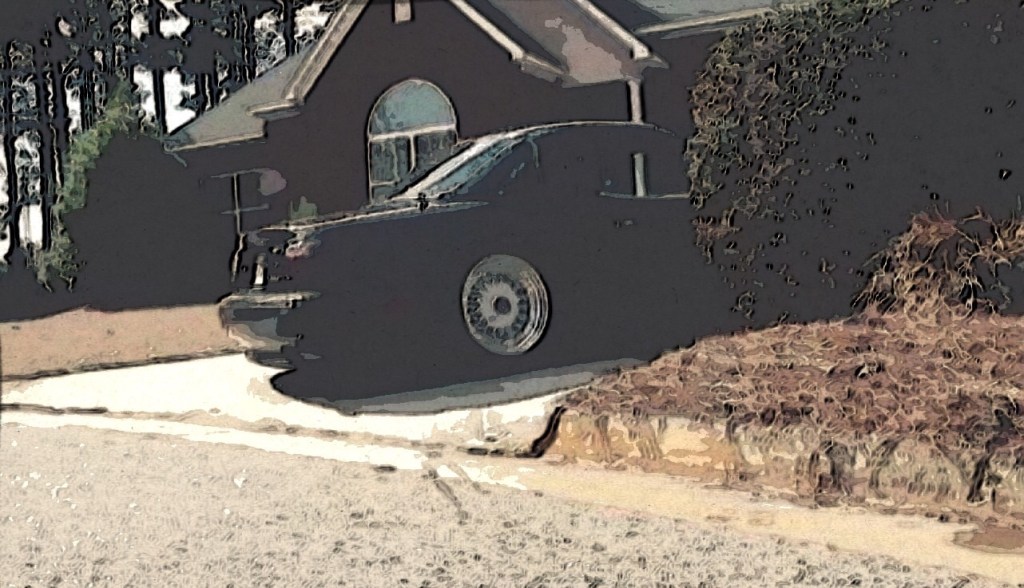
    When coming home, let there be time to pause.
    Don’t swap the car-keys for door-keys too soon.
    Don’t exchange memories for a list of chores.
    Let the ‘best of album’ play one more tune.
    Before long, home will nag and make its mark;
    craving the fix, demanding attention.
    Just put the car in park, let the dogs bark;
    float a while in a state of suspension.
    Make what you can of now, sit tight, be still;
    leave the seat-belt buckled, don’t do a thing
    that might burst that bubble and cause a spill
    of action: a boot release… a door swing…
    . The estimated time of arrival
    . should accommodate an end that’s idle.

    © Tim Grace, 2 November 2011


    To the reader: You worked hard. You deserved a break. The lead-up was frantic. Exhausted, you began your vacation. The first few days were a blur. Eventually, time relaxed and you shifted your routine to make the most of new surroundings. The weeks away have been all too good. Refreshed, you turn for home. You arrive. The driveway is all too familiar; the same one you greet after a day of work. Exit with care… danger ahead!

    To the poet: Capturing familiar happenings, as common experiences, should be easy; not so. As familiar, the items and activities in a domestic poem have assumed roles. Even the sequence of events requires a predictable story-board. It’s through mundane depictions that this sonnet finds room for curious comparisons; unexpected twists; and misappropriated phrases. A familiar background is a new window.


    when coming home when coming home
     

  • Once upon a vine…

    Once upon a vine…

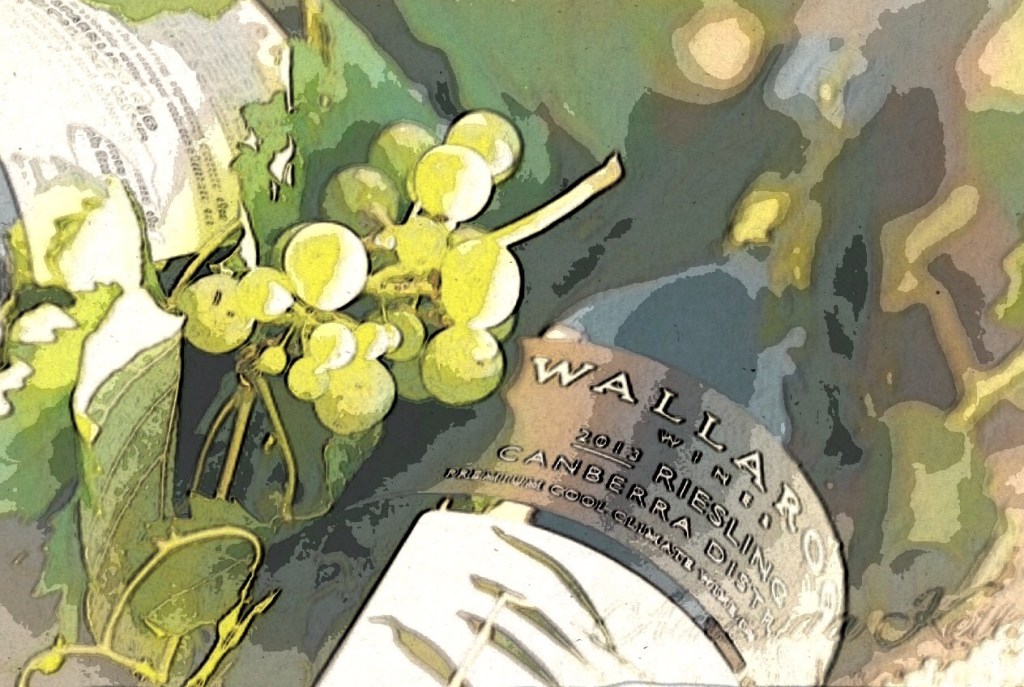
    Between that bottle and this long-stemmed glass
    there lies the story of a summer wine.
    Tells of fermentation, vintage and class;
    begins with friends and “Once upon a vine…”
    They are the golden flush, the rustic hue,
    the straw-like characters in nature clad.
    They are the sparkling stream, the morning dew,
    the autumnal pallet, the harvest had.
    They are the hint of rose, the sweet bouquet,
    the lingering waft of lavender’s scent.
    They are the earthy taste of new-mown hay;
    the essence, the spirit of time well spent.
    . In the pouring of a wine … stop at first.
    . Raise a glass to friends who have quenched your thirst.

    © Tim Grace, 28 October 2011


    To the reader: The pursuit of medieval alchemists was to transmute one substance into another; metals into gold and water into wine. The scientific-age brought an end to alchemy’s legitimacy but we still love to concoct substances. Perfumes and wines are highly prized elixirs that intoxicate our interests. In both, we find beauty in the subtle interpretation of complex chemical relationships. Wine appreciation honours the art and science of wine making; it marries the head, the hand and heart of viticulture into one narrative… raise your glass.

    To the poet: The careful construction of a sonnet allows it to be unpacked by those who care to do so in time to come. With this sonnet’s formal structure comes a more subtle framework; its inner workings. These patterns are evidence of what the poet used to bind and build a consistent narrative. The trick was to convert ‘them’ into ‘they’ and end with ‘those’ to whom we raise our glass!


    once upon a vine
    once upon a vine


  • Things Constructed

    Things Constructed

    True to the nature of things constructed,
    this place carries well its form and function.
    Bits combine, as by design, instructed…
    “The finished look is a neat production”.
    Its shapes are solid and its lines are clean,
    there’s strength in its statement, poise in its stance.
    It lends stature to an impressive scene…
    “Rightly deserves an appreciative glance”.
    This place is big and at the same time small,
    it’s a place to visit, or to stay a while.
    It’s imposing, robust, yet comfortable…
    “There’s confidence in its sense of style”.
    . This place extends the obvious line of sight…
    . “It stretches shadows as it plays with light”.

    © Tim Grace, 25 October 2011


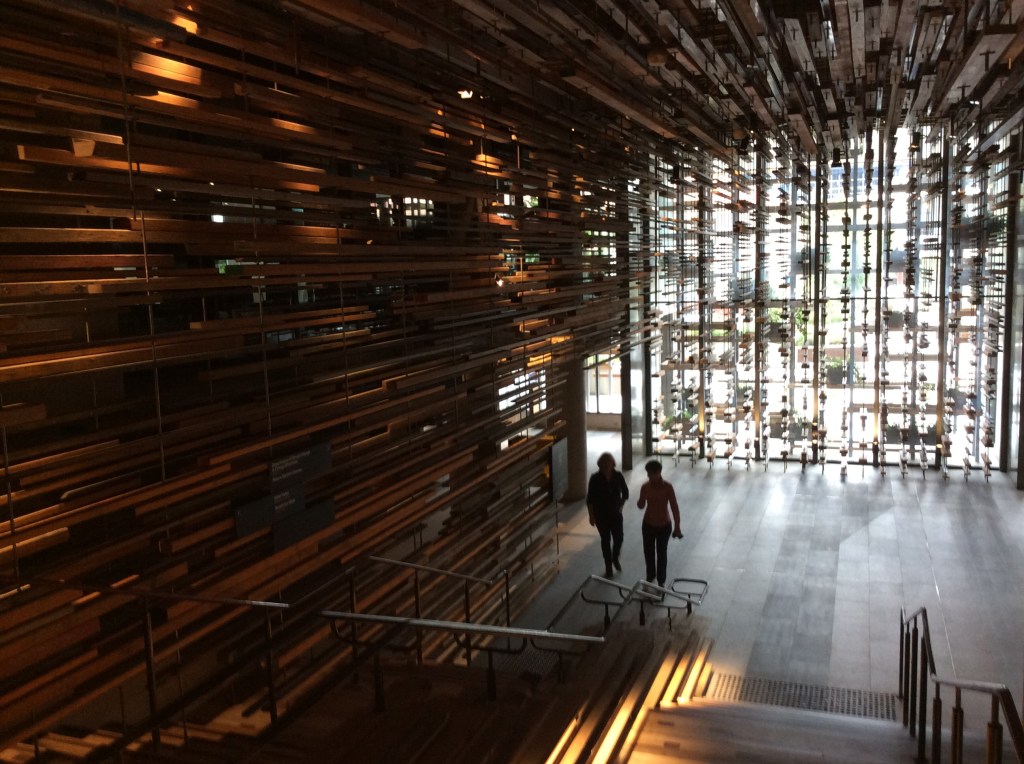
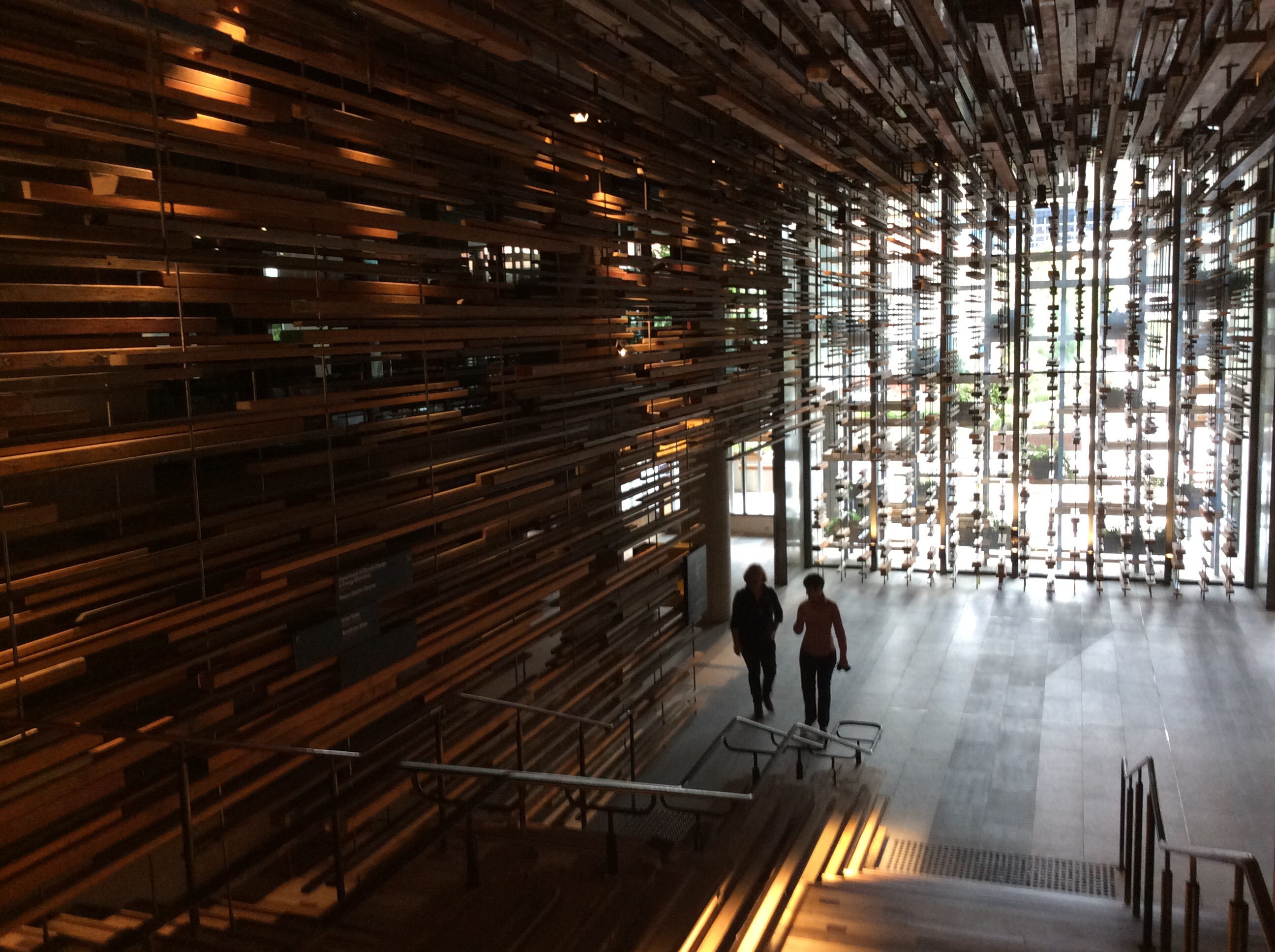
    To the reader: Wow! – that experience of wonderment upon first encountering a massive interior space – “a primal human response”. From cave to cathedral, those upward rising columns produce the dramatic effect of a vaulted ceiling that with supernatural force separate sky from ground – “heaven from earth”. The statement of interior spaces has a powerful impact on behaviour: in the cavern we intermingle with familial groups; in the cathedral we become one of many deferential souls – “in the modern day shopping mall we are the merchants’ river of gold”.

    To the poet: … waiting for a friend to join me. And so, with time to fill, the interior design of where I was had time to impress my appreciation; it was expansive, generous and interesting. Friend arrives, so I share my thoughts… The conversation lent itself to a poetic form of thought-then-statement (not the same as question then answer). The last couplet neatly thinks-then-summarises.


    things constructed things constructed


  • Vague Forms

    Vague Forms

    Behind him lay a field of shattered dreams.
    Dead donkeys, lead balloons and weathered rope.
    Knotted narratives given strangled themes;
    given up as useless and beyond all hope.
    Below him things assembled then dispersed.
    Watercolours washed across his canvas.
    Things happened as things do when unrehearsed;
    and so, moved in accordance with their mass.
    Ahead of him there rose a future tense.
    Vague forms described the shape of things to come.
    Possibilities left an awkward sense.
    The opposable thoughts of a Roman thumb!
    . What to make of this life that comes and goes,
    . of this so fickle life that ebbs and flows?

    © Tim Grace, 19 October 2011


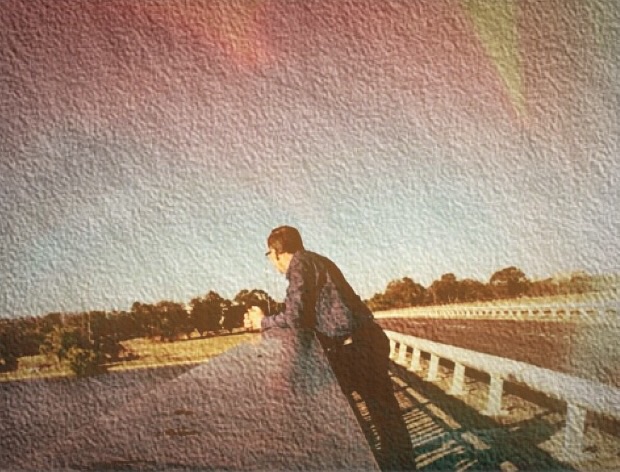
    To the reader: Half a life ago, I drove across the city to an evening of life-drawing classes. I remember the trip as a drive that took me to another time and place. In a few short hours, once a week, I met myself as I’d always imagined I should be; an artist. An amateur artist alive with creativity. The drive there was part of the pleasure. As I crossed a bridge, one evening, I noticed a poised figure – still as a captured photograph: lonely, he stood upon the bridge, to contemplate existence; he looked behind; he looked beneath; he looked into the distance.

    To the poet: I’ve lost all the drawings. The paper yellowed and the charcoal smudged. I remember the physical flow of lines, the sweep of curved forms – foreshortened to compensate for the distortion of perspectives. But most of all, I remember the pleasure of that poem. It hasn’t yellowed. It’s an ever-present reminder of my encounter with a temporal experience; personal but at the same time universal.


    vague forms vague forms


  • New Reality

    New Reality

    She begins her poem with one word – bliss:
    as only dreamt about by intellect.
    Then, tackled by the irony of this
    she concocts a new reality; wrecked…
    visions tumble; a free-form masquerade
    opens a locked door, a struggle ensues.
    She assumes the soul of an old man, made
    all the worse by circling demons, obtuse
    references to goblins and slitting wrists,
    severed from reality, losing grip
    with certainty (if such a thing exists):
    the mangled wreck of a fantasy trip.
    . How so that psychedelic thoughts expand;
    . then shrink… vanish with footprints in the sand?

    © Tim Grace, 14 October 2011


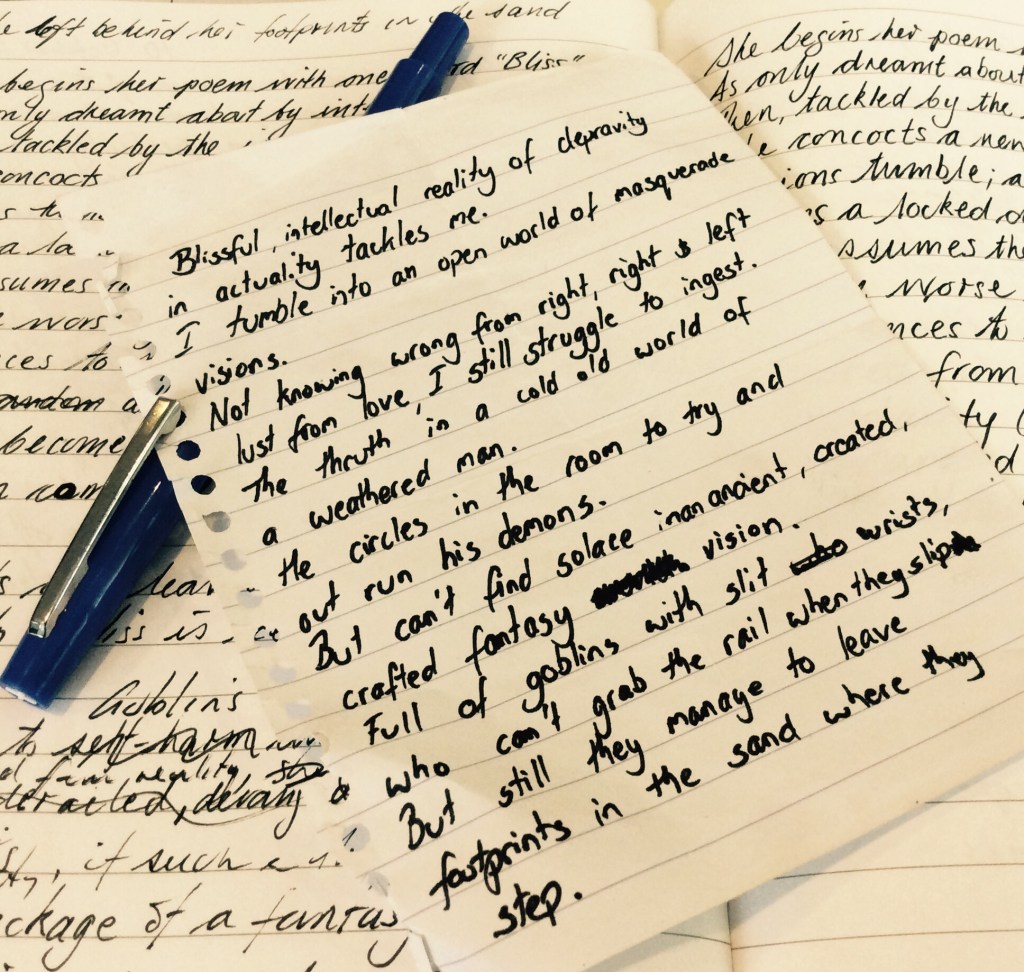
    To the reader: Sitting in a fast-food cafe, I watched two girls struggling with the after effects of a drug-fuelled night before. The crude reality of a wasted night sprawled its way across the table in front of me. And then, with continuing stupefied indignity the girls oozed their way out the door to a waiting car. As the car drove out of view, my eyes returned to the now empty corral and there lay a small piece of note-paper; replete with the text of an experimental poet.

    To the poet: Her poem is in free-flow with an inventive array of emotive words tumbling through an hallucinated storyboard. Having become the keeper of this lost poem I decided it also needed rescuing – a sonnet make-over was underway. Poetic licence was taken where necessary but for the most part the plot and characters remain intact. For the moment, the original author is anonymous; I acknowledge her inglorious inspiration. Her poem is in good care – awaiting return upon request.


    image


  • Procrastination

    Procrastination

    I think I’ll go and make a cup of tea.
    Not because I need one; it’s more the case
    that it will fill this moment perfectly.
    More the point, that just now I need some space.
    I think I’ll go and strum my old guitar.
    Not that I’m rehearsing a performance,
    perfecting pieces in a repertoire;
    no, it’s more the case I need some distance.
    I think I’ll go and take a pleasant walk.
    A stroll around the garden would be nice.
    Not to tend to patches with spade or fork;
    no need … there are no weeds in paradise.
    . I think I’ll take a little time off task;
    . I’ll take a break and in distraction bask.

    © Tim Grace, 10 October 2011


    To the reader: Distraction; a half-deliberate measure, surely that’s procrastination. Allowing yourself to be waylaid, sidelined or set askew is probably not a text-book approach to best-practice delivery. But occasionally, a little time-out can serve your purpose well. The timing of a cup of tea, a musical interlude or a garden walk should be factored into a practical action plan; one that relieves the tedium and drudgery of work.

    To the poet: As a teacher I used to write children’s songs; three verses and a chorus. If the kids were lucky, they got a coda – the tail-end of a song. This sonnet reflects my old habits. Each of the three stanzas follows a predictable pattern; not that I’ve tried, but it’s probably quite easily converted to a rhythmic strum. Don’t be tempted, although the ‘sonnet’ translates from Italian into English as ‘little song’ that’s a trap too easily set; all too predictable.


    image