Tag: Place

  • Release The Brake

    Release The Brake

    You’d better contemplate your journey now.
    Talk as you would walk with a natural gait.
    Learn to wait, stand your ground, take a bow.
    Be patient, be present … anticipate.
    By all means stride out, by all means leap forth.
    But do take care, know when enough’s enough.
    This is the stuff of immeasurable worth;
    the fortitude you need when things get tough.
    You are where are, for good purpose; there
    not to stagnate, not to stop, you’re there to make
    the most of moments (rehearse and prepare)
    and then, when you’re ready, release the brake.
    . As a general rule, what’s far becomes near.
    . Life, as is our school, renders most things clear.

    © Tim Grace, 18 July 2012


    To the reader: Effectively managing the erratic pace of life takes wisdom. Going with the flow is one technique; perilous when that pace is frantic, stultifying when things grind to a halt. No, we can do better than that. Finding your own natural rhythm is the trick. Live life in a relaxed state of readiness… poised; as in ‘having a composed and self-assured manner.’

    To the poet: Adjusting a suit can be a simple matter… hems up or down. On the other hand the process can be laboured and intensive; costly and expensive. The same can be said of editing a sonnet. Like its predecessor, this sonnet fought tooth and nail not be adjusted. Every line took umbrage at the mere suggestion of change or alteration. In the end we were both exhausted.


    Release The Brake Release The Brake
    Picture Source:
    http://youtu.be/8sJz-iEd1PA
     

  • Notographs

    Notographs

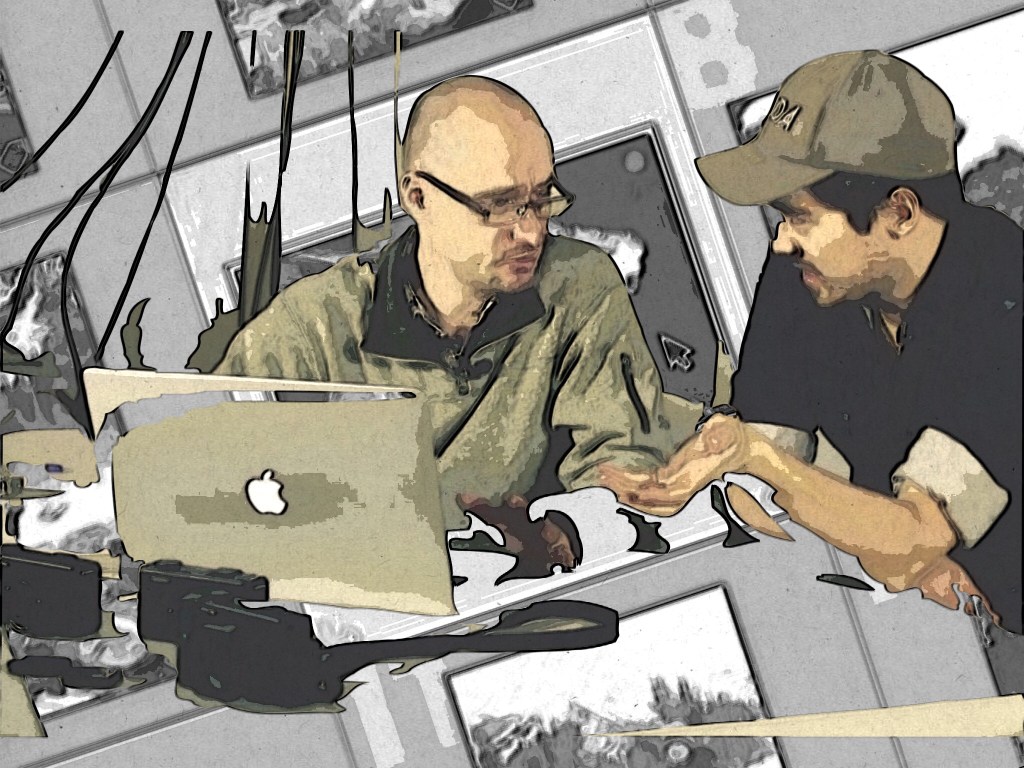
    In front of me sit two photographers,
    swapping thoughts on a gallery of shots;
    contemporary, digital philosophers
    sharing the joy of pixilated dots.
    They scroll through images and often pause
    to seek critique from a like-minded peer;
    they relive the moment, wonder its cause;
    they reflect upon a setting and think it queer
    that light through a shutter would strike a pose;
    shift attention to itself and so steal
    the focus of the frame – and so it goes,
    who knows the prism – as would light reveal
    . I watch from a distance – stealing quotes.
    . Adjust my frame of reference – taking notes.

    © Tim Grace, 8 July 2012


    To the reader: I sat alone, absorbing my surroundings; translating what I saw into comprehensible passages of ink… taking notographs. Behind me, two men shared a table and their photographic enthusiasm. Their expert mastery was evident, but so too was the thrill of light’s incidental intrusion. The mischievous play of light is hard to replicate in poetry. Can you over or under expose a word … is that the role of an adjective?

    To the poet: Snapshots capture incidental moments; it’s difficult to elevate interest above a casual glance. An environmental scan doesn’t always return a topic of literary note. Occasionally, the mundane is given gloss; just enough to raise an eyebrow or prick an ear. The jotted-poem, like the snapshot and the pencilled-sketch, has to reflect its momentary inspiration with readiness and brevity; stretch the point and you’ve lost the plot… easy does it.


    Notographs
    Notographs
    Picture Source:
    http://youtu.be/f3VjyHQiqdE


  • Destination

    Destination

    Sometimes we arrive at destinations;
    the result of an effortless journey.
    Driven not by stress or consternations;
    not chased, not pulled, not fuelled by urgency.
    It’s then that we arrive as a ready force;
    in full command of the traveller’s kit.
    No map, no guide, just a natural course:
    a passage through time, a comfortable fit.
    Left to take this ‘natural course’ we become
    our destination; and as such, arrive
    fully prepared: readied, and in fulsome
    frame of mind; eager to flourish and thrive.
    . Pathways to wherever can not be mapped,
    . they can not be copied or overlapped.

    © Tim Grace, 3 June 2012


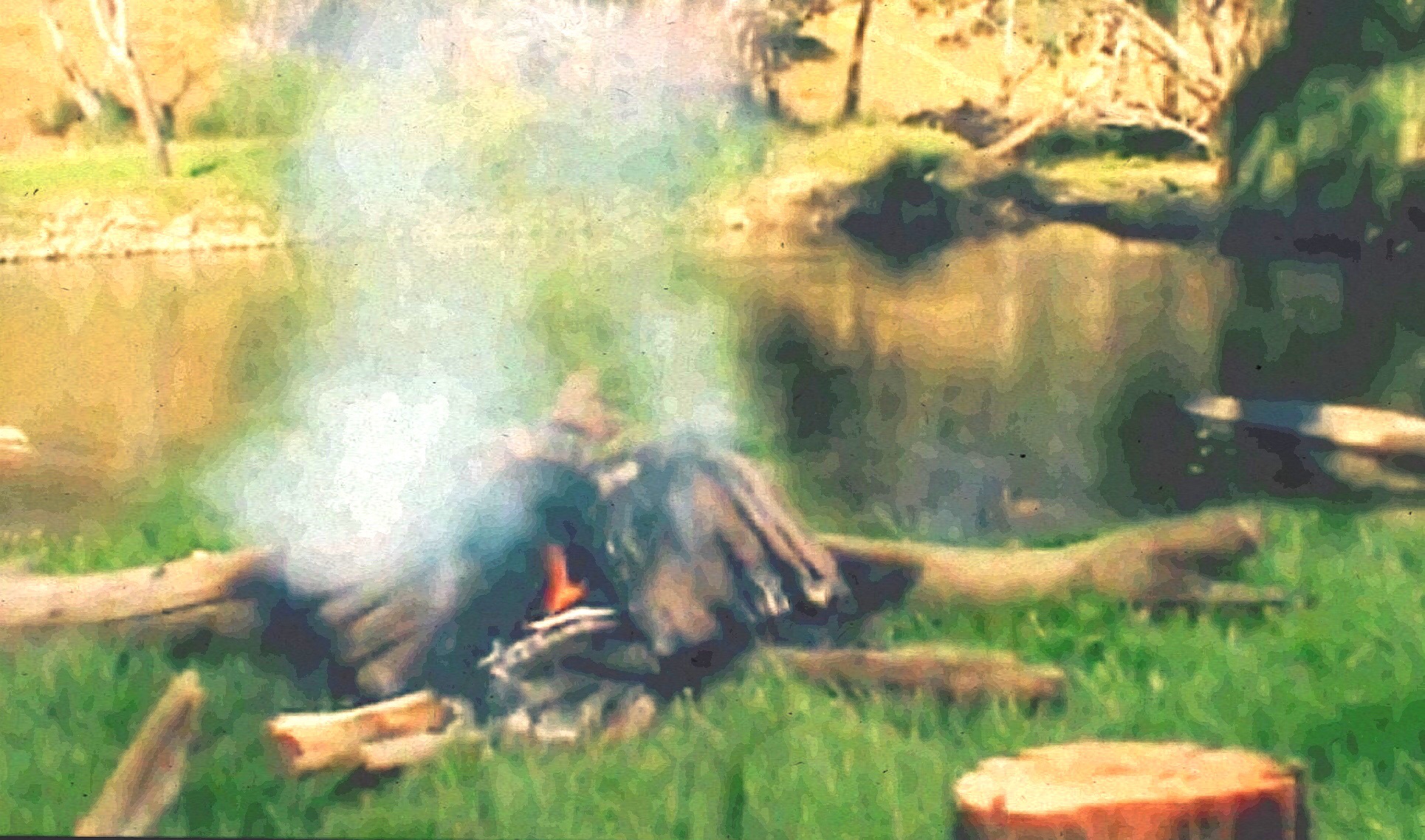
    To the reader: The course of least resistance is one of many natural orders. A stream will meander around obstacles; seeking direction and guidance from the surrounding terrain. In this way a stream becomes its destination. In contrast, a fire will ravage its environment as it seeks to fuel an insatiable appetite for energy. The random path of a fire reflects a craving for instant gratification; there is no recognition of place in its destructive path. In this way a fire destroys its destination.

    To the poet: The natural flow of consciousness identifies a good poem. The ease by which a poem flows around obstacles of rhyme and reason is a marker of success. There will always be creative tension in a poem; for the course can not be so easy as to stop the stream of thought. The rhythm of ebb and flow, as opposed to slash and burn, seeks resolution not resignation; agreement not argument; destination not destruction.


    Destination Destination
    Pictue Sources:

    http://youtu.be/j5EviZch6XA


  • And as for me…

    And as for me…

    Pelicans drift with the current; sunrise
    scatters its golden flecks across the bay.
    Geese in formation navigate the skies;
    and as for me … I contemplate the day.
    Charter-boats tug on moorings; a grey cloud
    muscles out all hope of sunny weather;
    meanwhile, two men with coffees think aloud;
    morning thoughts let loose of last night’s tether;
    and as for me … I watch gulls squabbling
    over real-estate, scavenging the scraps
    of a left over meal; a man hobbling
    his way to somewhere … happiness perhaps?
    . And as for me … I sit invisible;
    . pondering what is and isn’t isable.

    © Tim Grace, 27 May 2012


    To the reader: Morning contemplation is a rare commodity; a pleasure I’ve learned to appreciate over recent years. My solitary writing routine is just one of many day-break habits. For the socially dependent, they gather to reignite humanity’s embered coals. For the physically addicted, they re-cycle themselves with a daily grind (of coffee). The likes of me … we just watch … for there’s much to see in a new day dawning.

    To the poet: … at my happiest watching words script themselves into poetry before my eyes. Some poems appear as animated scenery; translucent layers of activity, drifting planes of intermingled celluloid. The editing room converts the sketch into scribbles; sometimes with a cross-fade, sometimes with a dissolve. As a morning observation, it’s best the poem reflects rising disposition… dawning realism.


    And as for me...
    And as for me…
    Picture Source:
    http://youtu.be/rtTBq9J3fcg


  • A Fallen Thought

    A Fallen Thought

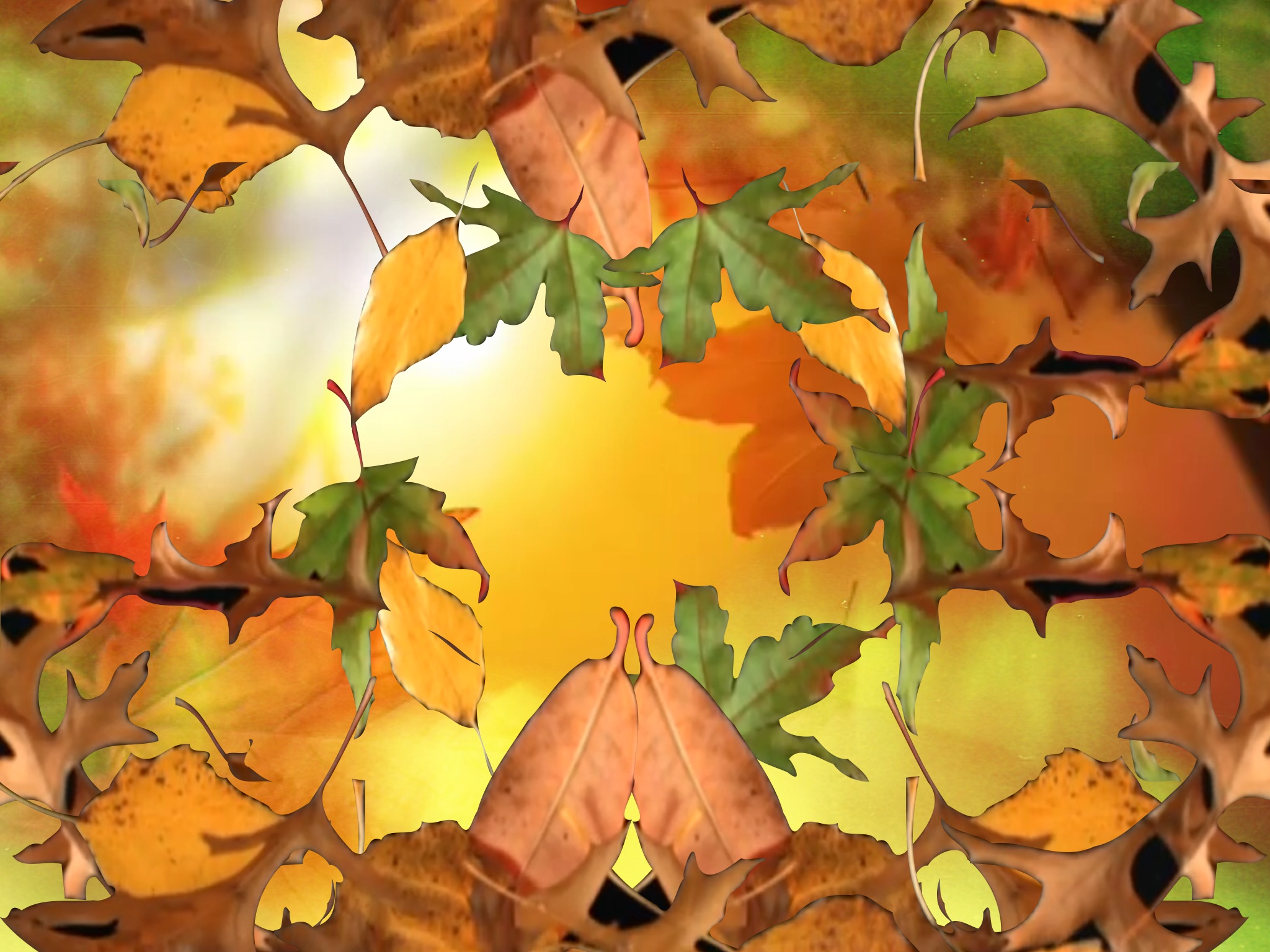
    I have swept the path of last Summer’s leaves;
    it’s late April, so prepare the parade.
    Salute the fallen; sombre Autumn heaves
    a sigh; recalls the cover of green shade.
    Now, on my shoulder rests a golden leaf.
    What am I to do? Brush it to the ground?
    How do I interpret this small motif:
    as commemorative fall; from tree unbound?
    Between my shoulder and the ground there’s space,
    just enough space, to think about good cause.
    There’s time, just enough time, to put in place
    a thought… a moment for reflective pause.
    . In fluttering leaves there’s a story told,
    . it’s a narrative, that turns green to gold.

    © Tim Grace, 23 April 2012


    To the reader: In temperate Australia, the autumnal month of April is adorned with commemorative symbolism. The imagery includes bravery and mateship woven into wreathes of green and gold. As the leaves of Summer flutter softly to the ground, there’s a sombre passage of reflection; space and time to remember the fallen before winter turns the foliage to mush. Those who fought for peace, now rest in peace… lest we forget.

    To the poet: A nice sonnet that turns a small personal incident into something more socially significant; and that’s the point of poetry. Through the obvious we discover truth; between gaps we discover opportunity; from now we interpret the moment – but only if we take notice. As poets, we need to observe what is and isn’t happening; for between these occurrences speaks possibility… through the poet’s eye we imagine the universe.


    A Fallen Thought
    A Fallen Thought
    Picture Sources:
    1. http://youtu.be/E56YcMbnCO4
    2. http://youtu.be/eY3ASysJfCQ


  • Space to Crawl

    Space to Crawl

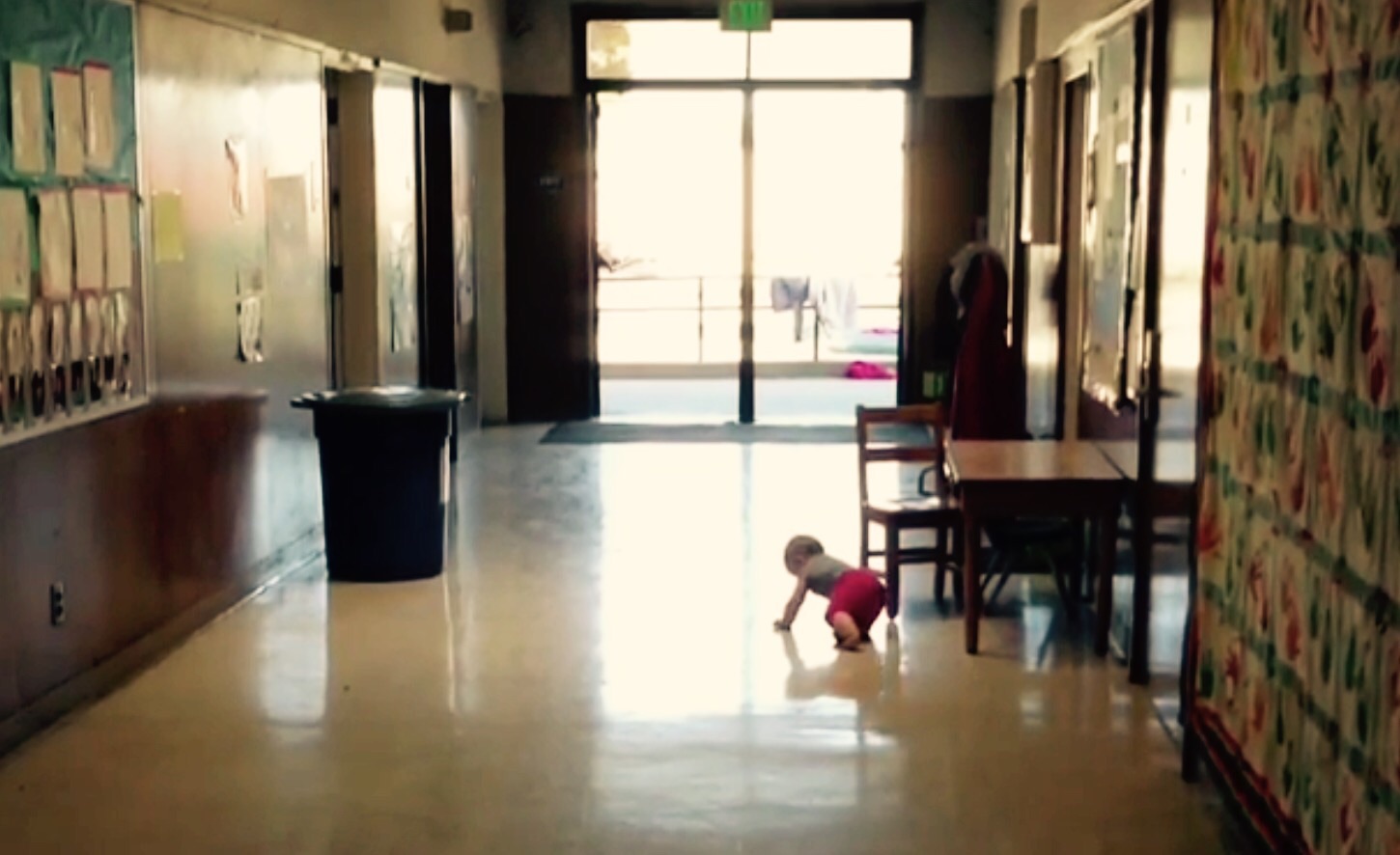
    Yesterday, I watched a boy crawling
    commando-style across a carpet-rug.
    Giggling and chortling, rising and falling,
    pushing and pulling with a hauling tug.
    In jungle-greens he scampered, head down low.
    He moved in spits and spurts. He paused a while.
    He reset direction, then off he’d go.
    With syncopated skim and cherub’s smile;
    through a forest of legs, he spied a light:
    a destination worthy of pursuit.
    But, when almost there, with his goal in sight,
    down came the arms of love: “Aren’t you cute!”
    . His mission is to walk, stand proud and tall;
    . give the boy some freedom, some space to crawl.

    © Tim Grace, 31 January 2012


    To the reader: The school-day is all but done. Here comes a troop of toddlers and their yet-to-walk entourage in pushers and prams. They are the freedom fighters, come to release their brothers and sisters from the tyranny of school. One in particular catches my eye; he’s a rug-rat, escaped surveillance and making good ground … but like so many before him, his noble pursuit is thwarted; he is lifted to higher ground by the doting arms of mum… another man down, or up as the case may be.

    To the poet: A photograph might have captured the scene more faithfully; but not the story. The story is in the poem which is a figment of my imagination. No-one else, on the day, had any idea of my interpretation. In a fleeting moment I captured a metaphor… two thoughts combined; and so began my sonnet. Metaphors, like butterflies, are at their best in flight; pressed to the page they may lose their colour.


    Space to Crawl Space to Crawl
    Picture Source:
    http://youtu.be/XGbfqM0ToM8