Blog

  • So Welcome

    So Welcome

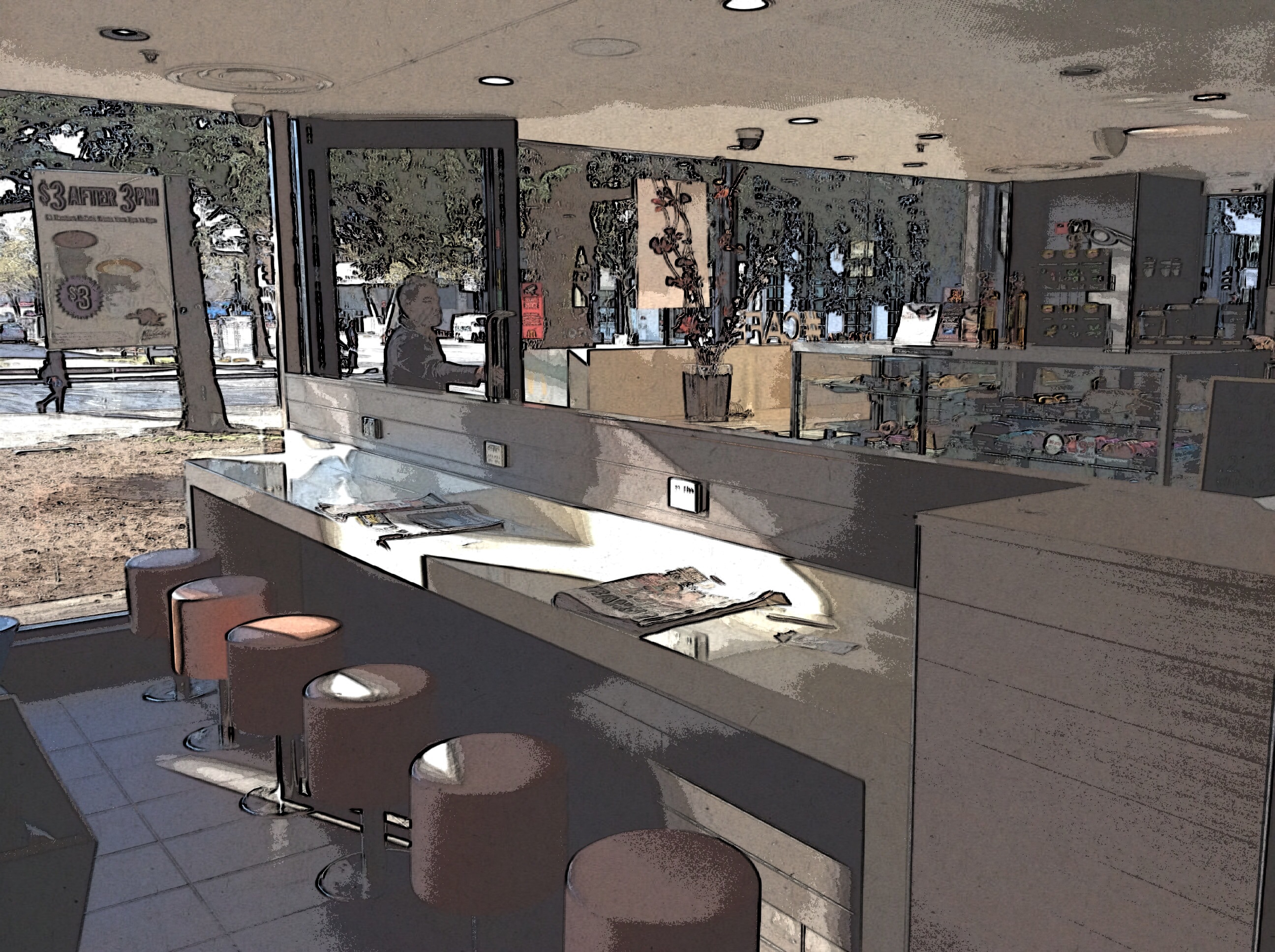
    From this seat, a small window
    frames the street; a door swings
    on its hinges. Who’s to know
    what its welcome brings?
    Here comes a backpack with a laptop
    looking for a what-not.
    Is it be-bop, is it hip-hop?
    … it’s a cool cat at a hot spot.
    Here comes a white shirt with dark glasses
    collared by a black tie.
    It’s the business look that passes,
    as a brief case of who am I?
    … Doors are trained in etiquette,
    … so welcome those they’ve not yet met.

    © Tim Grace, 8 April 2011


    To the reader: With the opening of a door comes the expectation of new arrival. Door swings, or slides, and for a moment frames a fresh character. The first impression is squared-off, measured-up; allotted to its fit. A nameless no-one becomes someone given presence. That someone’s arrival bears the mark of carriage; deportment. The doorway delivers another entrance.

    To the poet: In my poetry, the thematic presence of ‘this seat’ is recurring. It’s not always the same ‘this seat’ but as a place-holder it’s a common anchor point. Observing the world requires an authentic perspective; ‘this seat’ is its vantage point. Not all poems need a sense of location but occasionally it helps to give the reader a reference point; so the poet-observer is placed within the narrative – passively evident.


    so welcome so welcome


  • On Pause

    On Pause

    This is the pause that he employs,
    When his stance is resolute,
    This is his silent use of noise,
    That speaks volumes when on mute.
    This is not an empty moment,
    Just waiting to be filled,
    It’s intelligent, it’s eloquent,
    It’s be spoken by the skilled,
    This is thought upon a precipice,
    It’s surgical; a cut that leaves no scar,
    Consider this his emphasis,
    His suspended coup de grace.
    . To a break in flow, we’ll pay attention,
    . It helps to grow our comprehension.

    © Tim Grace, 2 April 2011


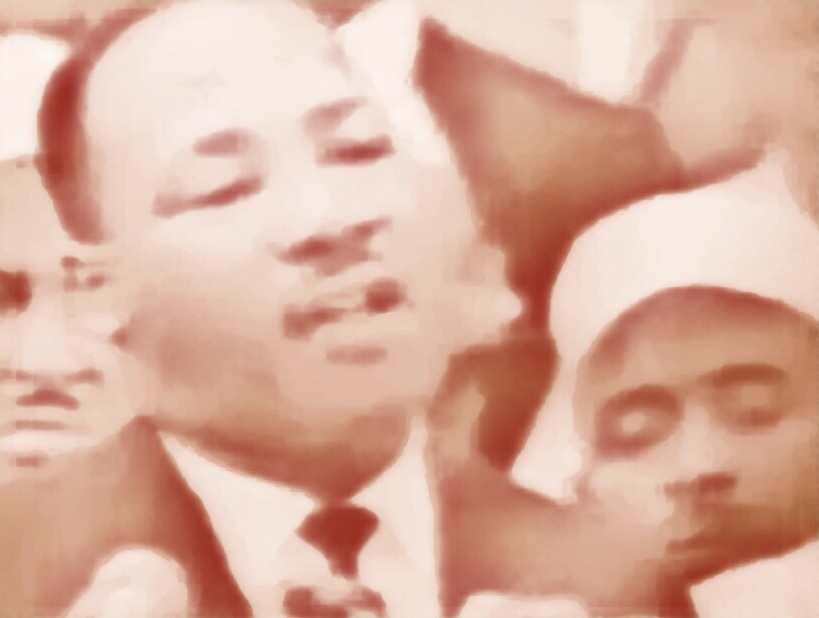
    To the reader: The rhythm of speech is particular to each of us. We modulate our voice to draw attention to words that enhance the meaning of our message. In “I have a dream…” the vocal technique of Martin Luther-King is slow and deliberate; audible and easily absorbed. But there comes a time … a time in his speech when more … so much more is needed. The king-hit is sermon. Trained as a Baptist minister Luther-King turns lectern into pulpit with masterful ease and maximum impact.

    To the poet: Rhythm and repetition given an occasional pause for emphasis; that’s it, the message has its pigeon. Short in form, the sonnet is ripe for delivering a sharp punch. Impact is important. The pause, as a literary device, pulls the punch, gears up momentum and off-puts the listener. Make the rhythm predictable but defy expectation with a pause … a misplaced pause, an awkward pause, a pregnant pause … a pause nonetheless.


    on pause on pause


  • On Queues

    On Queues

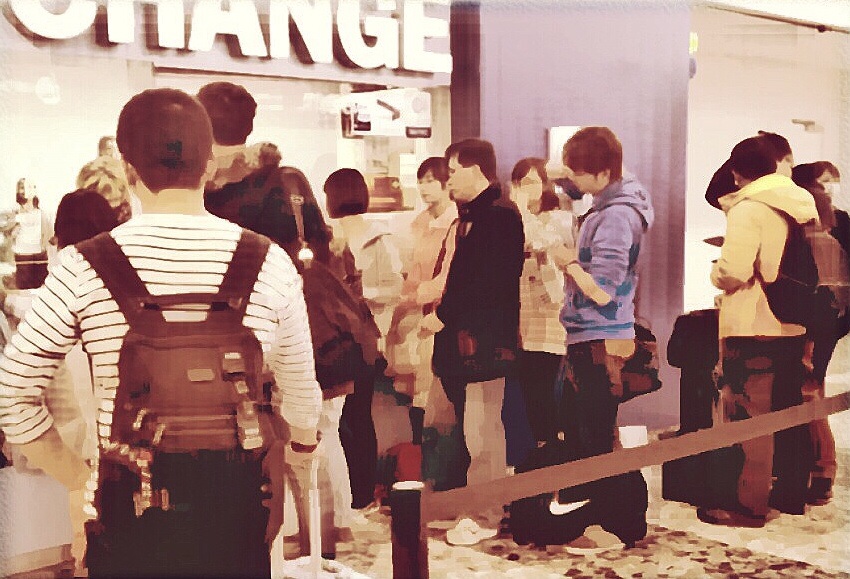
    Select a line and there remain,
    Don’t jump to gain position,
    Be careful not to show disdain,
    Or complain of its condition.
    For those in front, and those behind,
    Allow them space to move.
    As much as you might feel inclined,
    There’s little here to prove.
    Be alert but do not pry,
    You’re part of this progression,
    To any grumble don’t reply,
    A smile’s the best expression.
    . When people mass, and muddles brew,
    . It must be time, to form a queue.

    © Tim Grace, 24 March 2011


    To the reader: Queues. Rule bound but culturally specific. Some loose and self-organising others tightly scripted. By design the best of queues follow the dictum of form follows function. The unspoken measure of a good queue is its marriage of context and purpose. To happily surrender to a queue there must be benefits. The value of time spent in a queue is a relative notion… may have something to do with mass and energy?

    To the poet: As an advisory, this poem describes a problem and offers a solution. The familiar context of a queue doesn’t need too much in the way of description to deliver a believable subject. And so, with light-hearted conviction the poet has convinced himself, at least, of the virtues of queues. In a poetic sense there’s merit in a line that can flex and has space to shuffle.


    on queues on queues


  • Tangled Remnants

    Tangled Remnants

    Where once a solid form existed,
    There’s nothing left but shard,
    Tangled remnants, split and twisted,
    Tossed without regard.
    Earth ripped and roughly gashed,
    Features stripped and shattered,
    Levees broken, structures smashed,
    Strewn about and scattered,
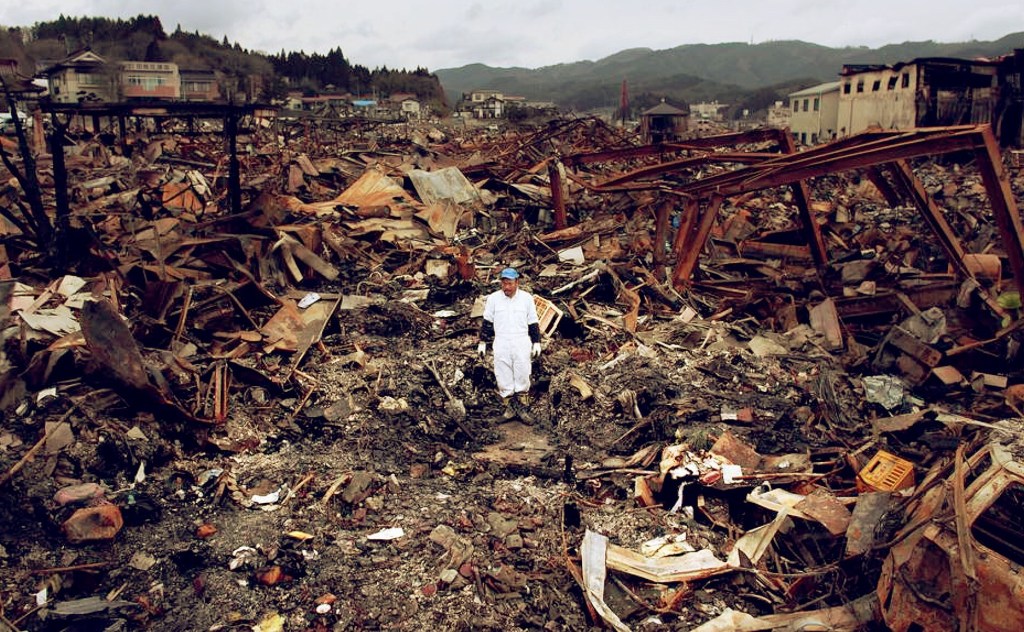
    And in amongst this mangled mess,
    There stands a man forlorn,
    Too numb to feel distress,
    Too tired to weep or mourn,
    . At crisis points, when faith is shaken,
    . It’s then, when man feels most forsaken

    © Tim Grace, 18 March 2011


    To the reader: Natural disasters tally-up a cruel toll. Impacts are deep and far-reaching. Headlines describe upheaval, deluge and inundation. Apart from individual trauma, social rupture compounds the devastation into widespread despondency. Forlorn despair grips tight; testing humanity’s collective will and resilience. Fortitude offers repair… but that takes time to accept; first comes loss and grief.

    To the poet: Piecing together a poem from fractured snippets of human misery is a delicate process. The depth of emotional content delivers a glossary of hackneyed headlines. As poet, with vicarious voice, one can reference common parlance and translate trite commentary but not without the risk of superficial opportunism. Take care, disaster awaits the thoughtless.


    tangled remnants tangled remnants


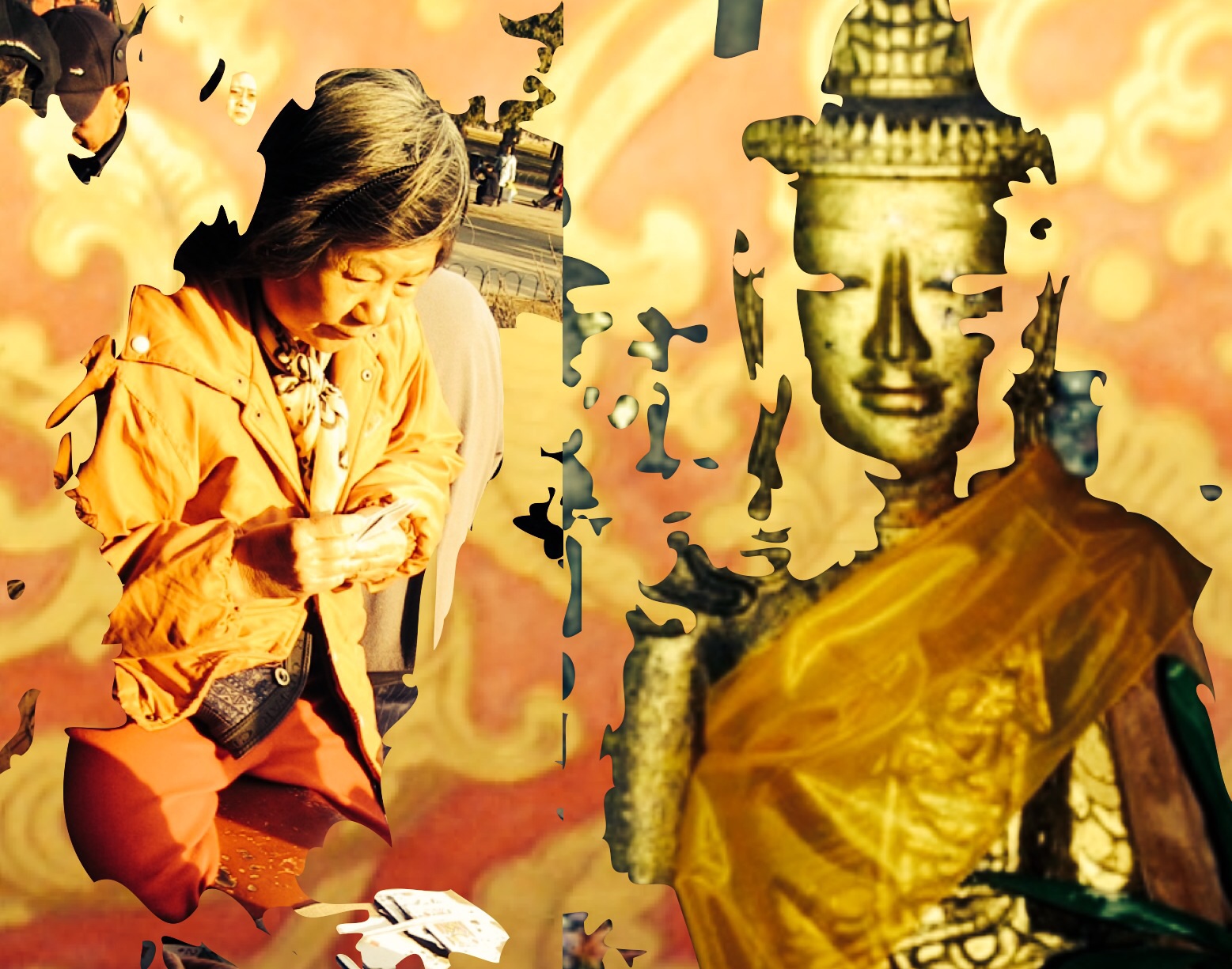
  • Elevated Poise

    Elevated Poise

    Unlike the rusting artifact,
    Returning unto earth,
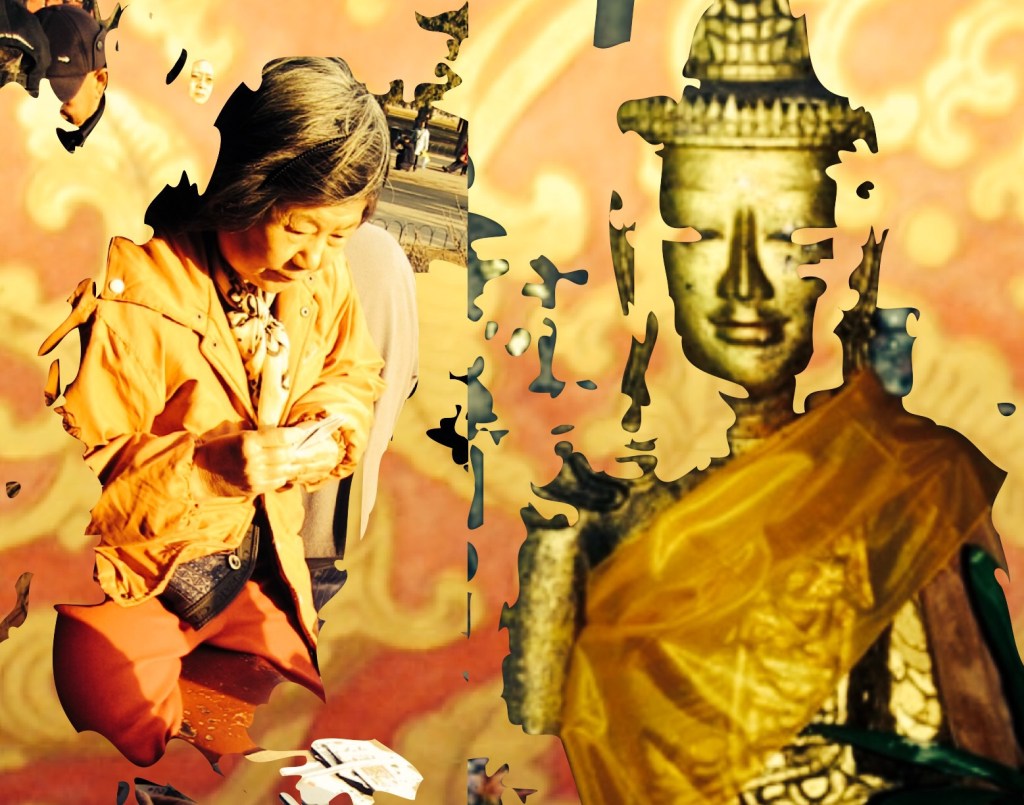
    The golden bust will long attract,
    An interest in its worth.
    With the likeness of divinity,
    We revere its golden crust,
    In museums of antiquity,
    It shall not gather dust.
    With its luminated lustre,
    And its elevated poise,
    It has the strength to master,
    What atrophy destroys.
    . The light is cast with a golden ray,
    . It shines in those who seek the way.

    © Tim Grace, 26 February 2011


    To the reader: I am the light, I am the way… with enlightenment comes direction. And so radiates the golden frame with truth in abundance; postured to inspire. Awe-struck, we the lesser mortals pause to absorb the significance of a moment in the presence of a golden sage. I am the way… and the lost become found; I am the light … and blind shall see.

    To the poet: Continuity of speech, a natural flow of ordered thought, and a lucid end; these are hallmarks of a well-rounded poem. A poem that narrates an awe-struck moment needs to have its own glint of wisdom and truth. Having been informed by revelation the poem needs bigness befitting to its source. The outward glow of insight.


    elevated poise elevated poise


  • One Truth Remains

    One Truth Remains

    What we know can be deceptive,
    Exact, but not complete.
    It’s the fool who is receptive,
    To the charlatan and cheat.
    The truth is far more subtle,
    And difficult to grasp.
    It’s open to rebuttal,
    It’s the bastard of a rasp.
    What’s real through comprehension,
    (as absurd or somewhat strange)
    Is worthy of a mention…
    But sensitive to change.
    . Throughout our lives one truth remains,
    . Wisdom thrives where confusion reigns.

    © Tim Grace, 23 February 2011


    To the reader: Lack of knowledge begets assumption. Doubt accommodates the leap of faith, the jumping to conclusion; the guess. It also makes room for curiosity and wonder. For better or worse doubt provides a vacant opportunity. The cheat makes good use of doubt by cleverly distorting what seems to be a plausible reality. The charlatan, a cheat on steroids, makes vacancy a marketplace for the gullible; more fool us.

    To the poet: Although written in three quatrains, this sonnet for the most part reads well in double-lined sentences. The even lines tend to echo the sentiment of the preceding odd-line. With this odd/even progression the poem builds its logical form and structure. Treating the two lines as a single sentence reduces the number of free standing elements and tightens the message; through fewer inserted thoughts.


    one truth remains one truth remains