Tag: Time

  • Time is Tense

    Time is Tense

    Expansive time will not be caught,
    put on pause to cause delay.
    Expensive time will not be bought;
    beg nor borrow tomorrow’s day.
    Time has not the nature to be still,
    it’s too erratic to be framed.
    It matters not your strength of will,
    time will not be tamed.
    Evasive time will not be gripped,
    not be chained, with lock and bolt.
    Elusive time will not be clipped;
    not contained within a vault.
    . Elapsed time has no recompense,
    . it’s this regret that makes it tense.

    © Tim Grace, 27 May 2011


    To the reader: Time, as Shakespeare discovered, is most cruel on the living. We who age, suffer the ravages of time; have stolen our youthful prime. In the end, acceptance is our best defence. Once resigned to the impact of time, this beast ceases to be our enemy; never a friend, more an acquaintance. And as an acquaintance, time offers legacy; the past is an archive; a fathomless vault. Love lives, until the death of time, in a Shakespeare sonnet.

    To the poet: Four blocks of verse related to a common theme; a coarsely sewn thread of thought about time. While not rhythmically satisfying, this sonnet achieves its interest through internal word-similarities (expansive and expensive; elusive and evasive). In a poem’s writing phase, the interest of word features is ever-present. As one word suggests another by sight or sound they both enter the realm of possible inclusion; a fusion of sorts.
    time is tense time is tense
     

  • Tangled Remnants

    Tangled Remnants

    Where once a solid form existed,
    There’s nothing left but shard,
    Tangled remnants, split and twisted,
    Tossed without regard.
    Earth ripped and roughly gashed,
    Features stripped and shattered,
    Levees broken, structures smashed,
    Strewn about and scattered,
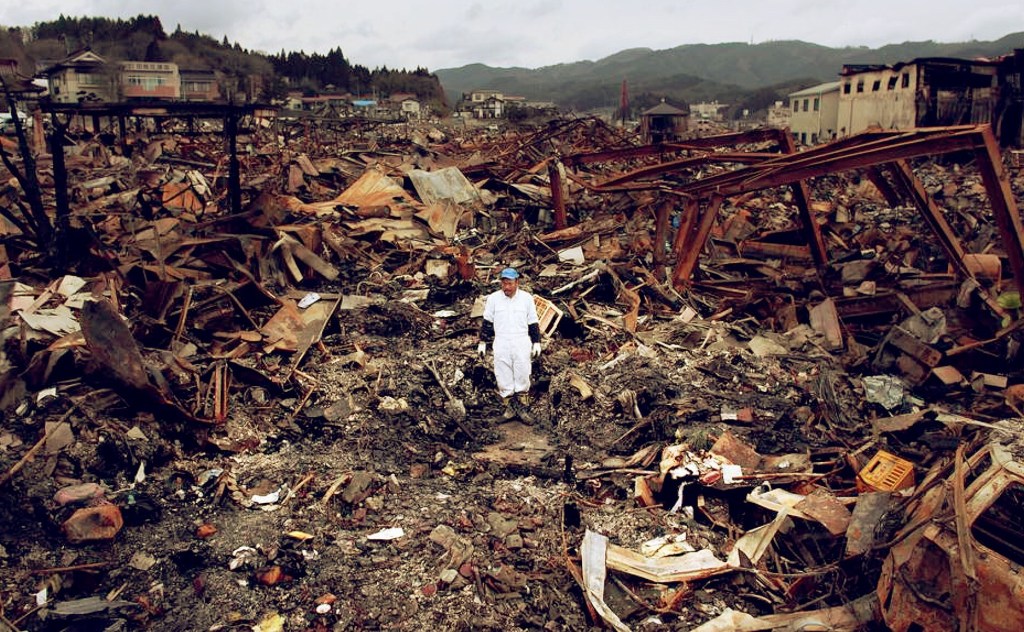
    And in amongst this mangled mess,
    There stands a man forlorn,
    Too numb to feel distress,
    Too tired to weep or mourn,
    . At crisis points, when faith is shaken,
    . It’s then, when man feels most forsaken

    © Tim Grace, 18 March 2011


    To the reader: Natural disasters tally-up a cruel toll. Impacts are deep and far-reaching. Headlines describe upheaval, deluge and inundation. Apart from individual trauma, social rupture compounds the devastation into widespread despondency. Forlorn despair grips tight; testing humanity’s collective will and resilience. Fortitude offers repair… but that takes time to accept; first comes loss and grief.

    To the poet: Piecing together a poem from fractured snippets of human misery is a delicate process. The depth of emotional content delivers a glossary of hackneyed headlines. As poet, with vicarious voice, one can reference common parlance and translate trite commentary but not without the risk of superficial opportunism. Take care, disaster awaits the thoughtless.


    tangled remnants tangled remnants


  • Elevated Poise

    Elevated Poise

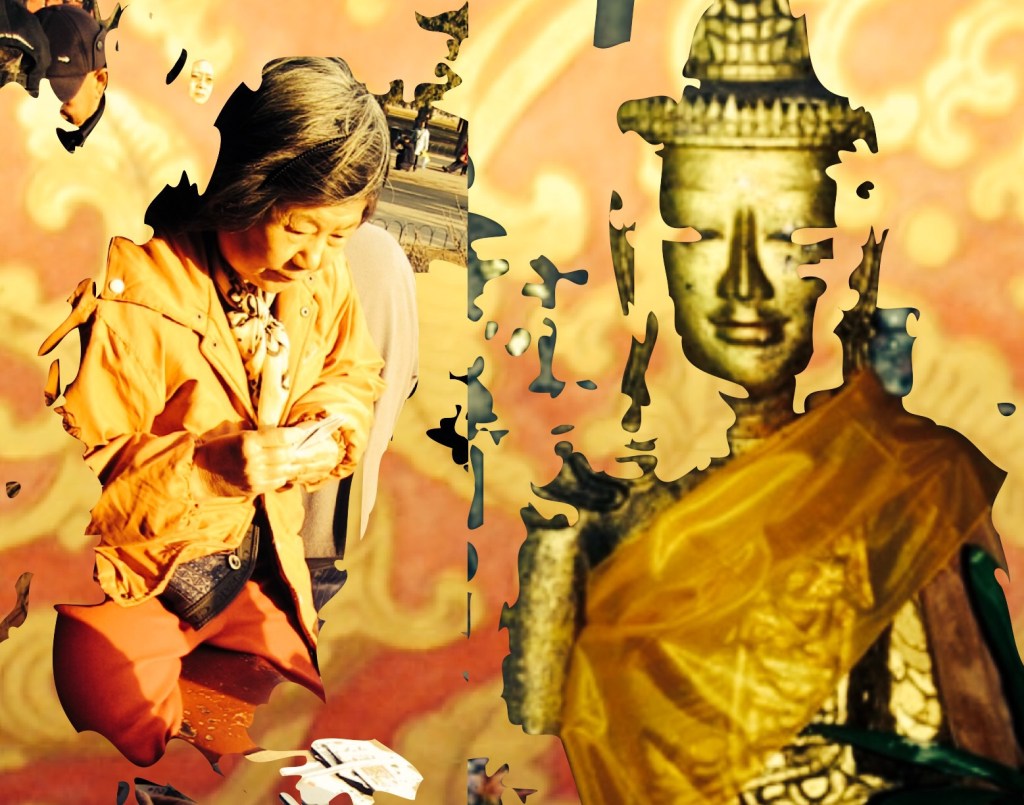
    Unlike the rusting artifact,
    Returning unto earth,
    The golden bust will long attract,
    An interest in its worth.
    With the likeness of divinity,
    We revere its golden crust,
    In museums of antiquity,
    It shall not gather dust.
    With its luminated lustre,
    And its elevated poise,
    It has the strength to master,
    What atrophy destroys.
    . The light is cast with a golden ray,
    . It shines in those who seek the way.

    © Tim Grace, 26 February 2011


    To the reader: I am the light, I am the way… with enlightenment comes direction. And so radiates the golden frame with truth in abundance; postured to inspire. Awe-struck, we the lesser mortals pause to absorb the significance of a moment in the presence of a golden sage. I am the way… and the lost become found; I am the light … and blind shall see.

    To the poet: Continuity of speech, a natural flow of ordered thought, and a lucid end; these are hallmarks of a well-rounded poem. A poem that narrates an awe-struck moment needs to have its own glint of wisdom and truth. Having been informed by revelation the poem needs bigness befitting to its source. The outward glow of insight.


    elevated poise elevated poise


  • Day of Rest

    Day of Rest

    I speak to you (who came before us),
    Not by name selective,
    I speak to you (and your same chorus),
    The common man’s collective.
    To those of you who bore a child,
    Gave birth to inspiration,
    Still we have not reconciled,
    The gap in generation.
    To those of you who laboured hard,
    Who life-long sought a quest,
    Still we treat with disregard,
    Your well-earned day of rest.
    . Still it is our destiny, so to be ignored,
    . Later rediscovered, then to be restored.

    © Tim Grace, 8 February 2011


    To the reader: The wisdom of past customs is lost over time. As relics they become quaintly revered. So the day of rest. Past generations recall Sundays spent in contemplation ‘of God’s good work’. All semblance of labour’s toil replaced by a more sombre duty; heaven’s dedication. Not such a bad idea, the notion of dropping tools and turning our attention to the more spiritual side of existence. Come a day, someone will resurrect the day of rest; rest assured.

    To the poet: The speech, in this case a contemplative monologue, needs particular thought given to phrasing. It’s the natural respiration of familiar tones that resonate with the listener’s ears. Give thought to lilt, the rise and fall of intonation. Take care not to force the natural gate into a contrived trot. The neat structure of a sonnet delivers a compact form well suited to delivery. A spoken delivery requires practice; first readings are rarely the best.


    day of rest day of rest


  • Now and Then

    Now and Then

    Now and then, a stop-start
    Turn of phrase; periodic.
    Dash becomes a dart,
    Comfortably chaotic.
    Come and go, ebb and flow,
    A phase that’s episodic.
    Much the same as to and fro,
    Naturally melodic.
    Period, teaches us to wait;
    Pause and let things rest,
    Episode, helps us calculate
    the extent that we’ve progressed.
    . We manage flow with punctuation,
    . Then let it go with syncopation.

    © Tim Grace, 23 January 2011


    To the reader: Time, an infinite resource, so scarce of understanding; humanities worst invention. In the short term a niggling nuisance; impatient, full of expectation. In the long term, an ominous, foreboding presence that hangs heavy with anticipation. Understood in seconds or millennia, time resists the patient pause. Those who can manage time, craft it into shape and trick it into submission. They let the big hand turn, the little one stop; without notice … all of a sudden.

    To the poet: Possibly deliberate, this sonnet’s meter is chaotic. Lines are broken, punctuation is contrived; structures are stressed. It’s a poem that invites an editor’s stroke of pen. And yet, that’s the nature of time; a shapeless mess. Some’times’ we just have to make-do, draw upon what’s available and celebrate the compromise. The poem’s not perfect, but it’s of its time … rushed.


    now and then now and then


  • Becomes Today

    Becomes Today

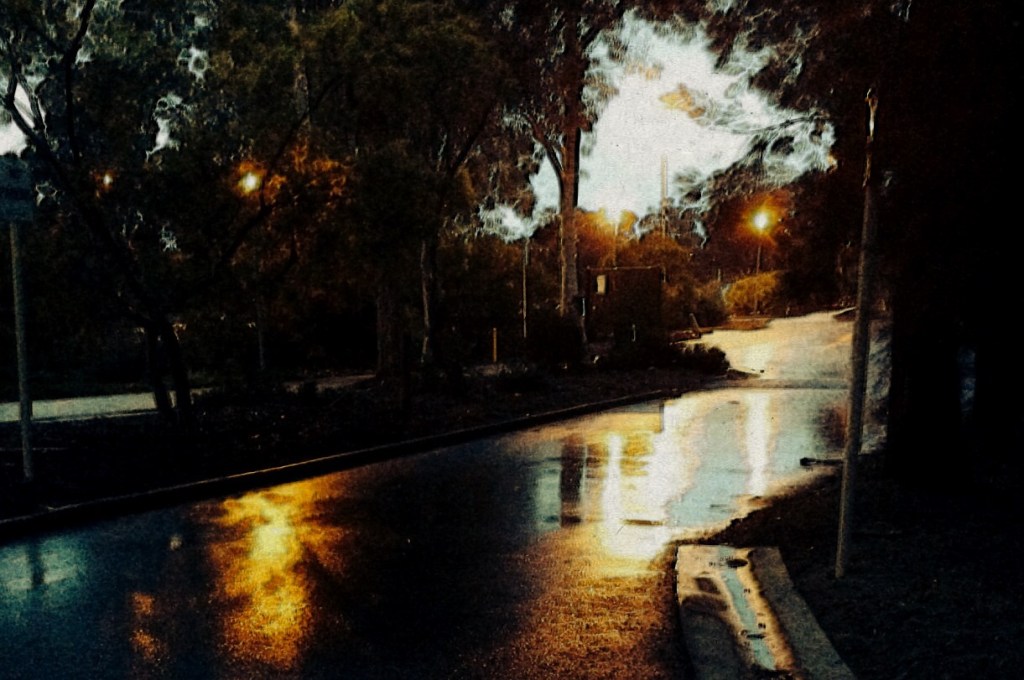
    What by night would seem adept,
    And then, by day become a blur?
    Last night’s shadows, over slept,
    Reluctantly they stir.
    What by night would well appear,
    And by day be all but hidden?
    The candlestick, the chandelier,
    Of use the two are ridden.
    What by night is wide awake,
    And then by day retires?
    The possum by a moonlit lake,
    With sun its scene expires.
    . The moon by sun is chased away,
    . And so last night becomes today.

    © Tim Grace, 3 January 2011


    To the reader: We live in a riddle; a reasonable muddle. A right answer is often so lame with correctness it needs a little adjustment. Some creative correction is what makes good things better; and better things great. From bland to grand takes an obscure course. At arrival, having passed through the riddle, a good answer is adorned with the crazy sparkle of unexpected discovery… aha!

    To the poet: The familiar form of the riddle, with its question/answer format, frames this sonnet. The phrase “What by night?” established the seek and find enquiry. Two problems followed. Firstly, contrivance. The thought of ‘what happened over-night while I was sleeping?’ is easily outstretched; laboured to a tedious length. Secondly, miscellany. There’s little achievement in reaching into a grab-bag of ideas. Lucky-dips may write lists but not poems. What rescued this sonnet is its final couplet… an answer worthy of the question.


    becomes today becomes today