Tag: Time

  • Dim-lit Dust

    Dim-lit Dust

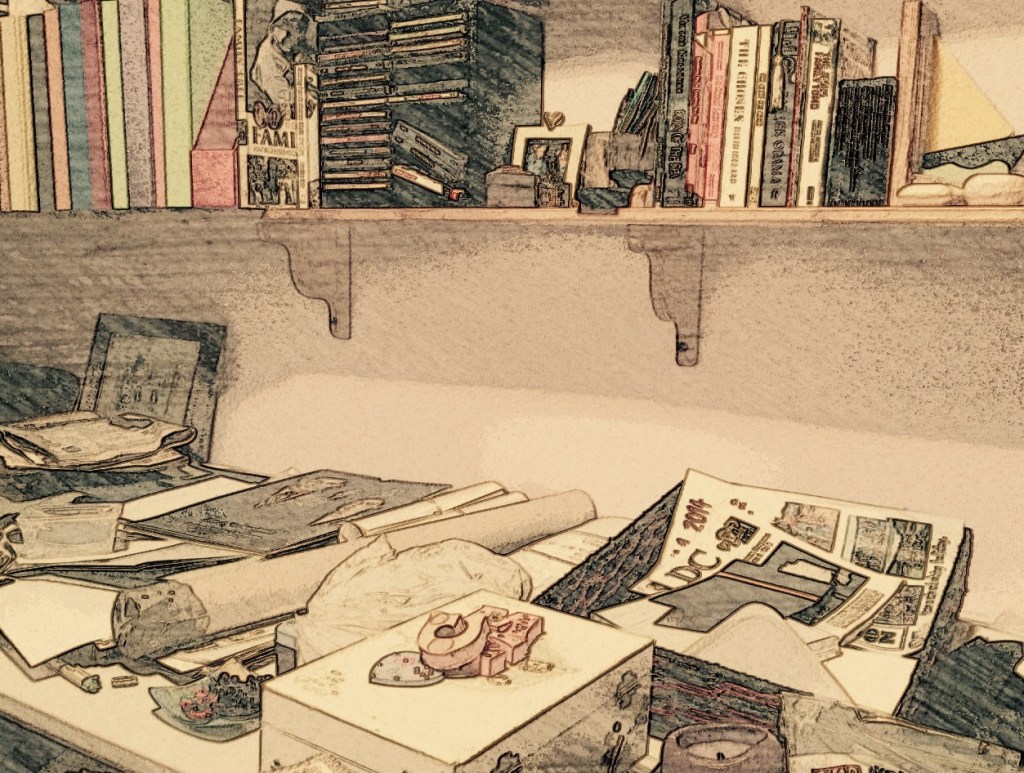
    I’ve been here before, many times in fact,
    I recognise those featureless walls,
    and I remember how those shelves got stacked,
    I recall the dog-eared papers, the sprawls
    of endless thinking, abandoned, let loose
    to yellow by the window; left to fade
    away to nothing; given no more use.
    I remember the decor, overlaid
    with a continuous print of anguish
    and despair, I recall the dim-lit dust
    lounging on the sofa, left to languish;
    lazy sediments form a fragile crust.
    . The blunted pencil and the knife’s dull edge,
    . are sharp reminders of a broken pledge.

    © Tim Grace, 14 November 2011


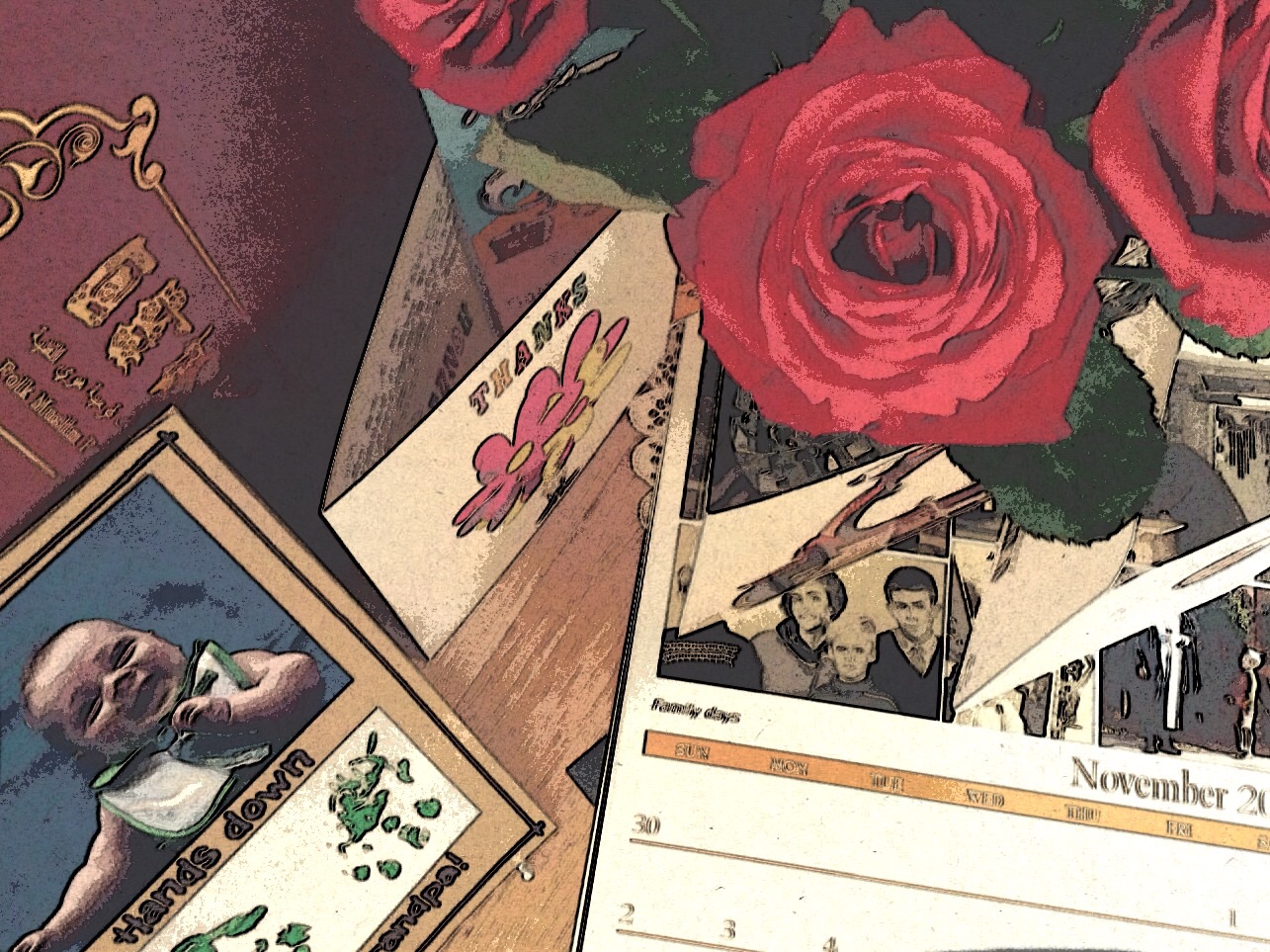
    To the reader: In a deceased house, the study quickly assumes the patina of abandonment. Without the daily shift of attention piles of paper lose their meaning and wilt under the weight of uselessness. The desk diary, the calendar, and the unwound clock fall behind on duties; with ill-found loyalty they grip tightly to the glory days. Curtains, once daily drawn, become fixed; gone is the regular pattern of a fresh start. It’s dull replacement is dust; sediments of dull dust.

    To the poet: Without descriptive poetry characters have no backdrop; nowhere to convincingly dwell upon the page. It’s interesting that this sonnet has no human inhabitant, it’s about the absence of identity; but it’s all about an inherited character. Familiar features of the stagnating room are traced by the narrator’s reflective gaze. There is movement, but it’s designed not to be intrusive; motionless movement if there’s such a thing. Let the dust settle.


    dim-lit dust dim-lit dust


  • Days in Succession

    Days in Succession

    Already this month’s days are racing by.
    Their natural habit is to rally.
    They are the gatherers that occupy
    tomorrow’s list; their business is to tally.
    Ever restless with ill-content, afraid
    of stoppage, fearful of its consequence.
    They are the marching troop in sevens made.
    They are the breeding ground of incidents.
    Days in succession and weeks in review;
    a bundle of rolling commitments, dates
    in waiting: schedules, rosters, time in lieu;
    such is the tune that chaos orchestrates.
    . Tomorrow comes as once did yesterday.
    . To run this race: ‘respondez s’il vous plait’

    © Tim Grace, 6 November 2011


    To the reader: It might have taken science a millennia to realise time is relative; common sense could have shortened the period of inquiry by some centuries. Nonetheless, we now have some concordance: our perception of time changes according to circumstance; speed and compression do us no favours. The stretchability of time reaches snapping point as the calendar draws to its annual climax.

    To the poet: I have no idea how to speak French or any language other than English. A smattering of high school German has remnant effect but effectively I’m monolingual. Any use of non-English terms and expressions is just a reflection of how my language borrows snippets for nothing more than effect. No doubt the various phrases creep into our day-to-day chatter through the media; phrases become fashionable (trendy) and then lose their currency. I seem to eat in Italian and regulate my time in French.


    days in succession
    days in succession


  • When Coming Home

    When Coming Home

    When coming home, let there be time to pause.
    Don’t swap the car-keys for door-keys too soon.
    Don’t exchange memories for a list of chores.
    Let the ‘best of album’ play one more tune.
    Before long, home will nag and make its mark;
    craving the fix, demanding attention.
    Just put the car in park, let the dogs bark;
    float a while in a state of suspension.
    Make what you can of now, sit tight, be still;
    leave the seat-belt buckled, don’t do a thing
    that might burst that bubble and cause a spill
    of action: a boot release… a door swing…
    . The estimated time of arrival
    . should accommodate an end that’s idle.

    © Tim Grace, 2 November 2011


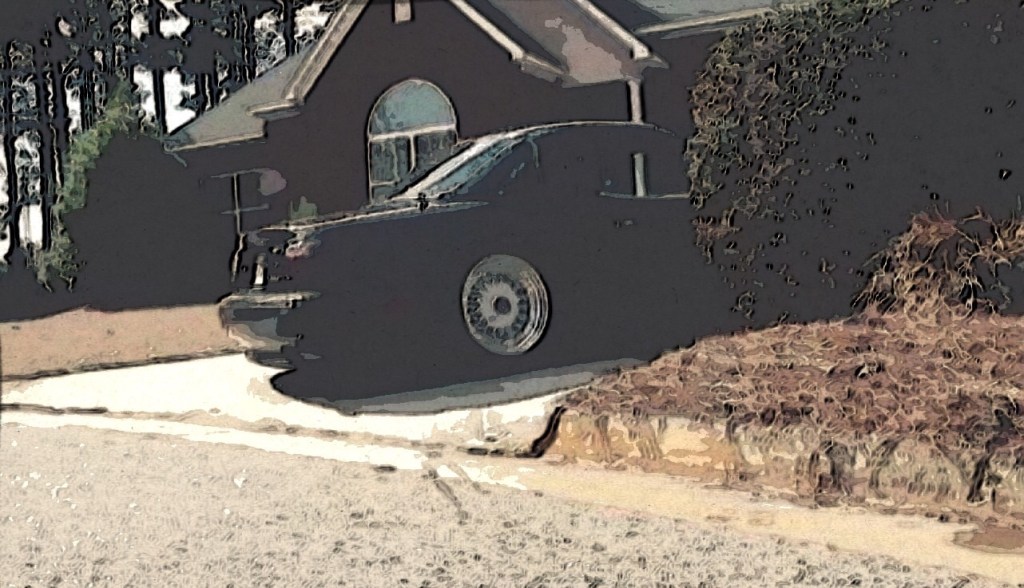
    To the reader: You worked hard. You deserved a break. The lead-up was frantic. Exhausted, you began your vacation. The first few days were a blur. Eventually, time relaxed and you shifted your routine to make the most of new surroundings. The weeks away have been all too good. Refreshed, you turn for home. You arrive. The driveway is all too familiar; the same one you greet after a day of work. Exit with care… danger ahead!

    To the poet: Capturing familiar happenings, as common experiences, should be easy; not so. As familiar, the items and activities in a domestic poem have assumed roles. Even the sequence of events requires a predictable story-board. It’s through mundane depictions that this sonnet finds room for curious comparisons; unexpected twists; and misappropriated phrases. A familiar background is a new window.


    when coming home when coming home


  • Once upon a vine…

    Once upon a vine…

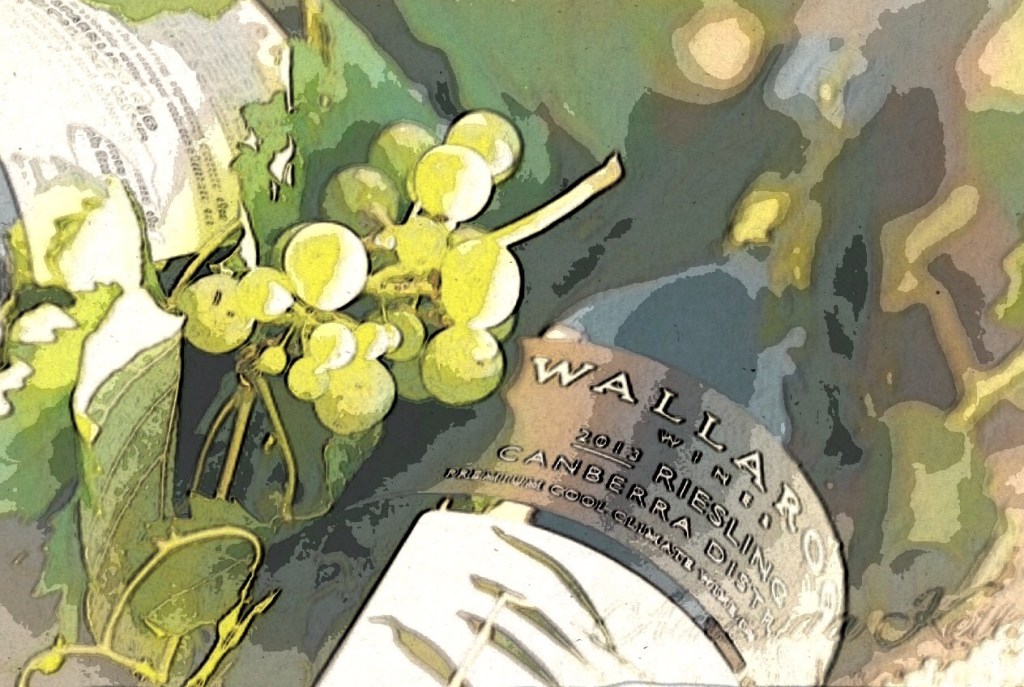
    Between that bottle and this long-stemmed glass
    there lies the story of a summer wine.
    Tells of fermentation, vintage and class;
    begins with friends and “Once upon a vine…”
    They are the golden flush, the rustic hue,
    the straw-like characters in nature clad.
    They are the sparkling stream, the morning dew,
    the autumnal pallet, the harvest had.
    They are the hint of rose, the sweet bouquet,
    the lingering waft of lavender’s scent.
    They are the earthy taste of new-mown hay;
    the essence, the spirit of time well spent.
    . In the pouring of a wine … stop at first.
    . Raise a glass to friends who have quenched your thirst.

    © Tim Grace, 28 October 2011


    To the reader: The pursuit of medieval alchemists was to transmute one substance into another; metals into gold and water into wine. The scientific-age brought an end to alchemy’s legitimacy but we still love to concoct substances. Perfumes and wines are highly prized elixirs that intoxicate our interests. In both, we find beauty in the subtle interpretation of complex chemical relationships. Wine appreciation honours the art and science of wine making; it marries the head, the hand and heart of viticulture into one narrative… raise your glass.

    To the poet: The careful construction of a sonnet allows it to be unpacked by those who care to do so in time to come. With this sonnet’s formal structure comes a more subtle framework; its inner workings. These patterns are evidence of what the poet used to bind and build a consistent narrative. The trick was to convert ‘them’ into ‘they’ and end with ‘those’ to whom we raise our glass!


    once upon a vine
    once upon a vine


  • Vague Forms

    Vague Forms

    Behind him lay a field of shattered dreams.
    Dead donkeys, lead balloons and weathered rope.
    Knotted narratives given strangled themes;
    given up as useless and beyond all hope.
    Below him things assembled then dispersed.
    Watercolours washed across his canvas.
    Things happened as things do when unrehearsed;
    and so, moved in accordance with their mass.
    Ahead of him there rose a future tense.
    Vague forms described the shape of things to come.
    Possibilities left an awkward sense.
    The opposable thoughts of a Roman thumb!
    . What to make of this life that comes and goes,
    . of this so fickle life that ebbs and flows?

    © Tim Grace, 19 October 2011


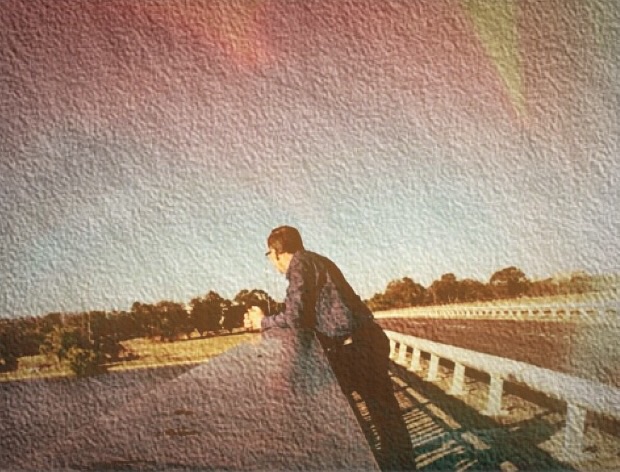
    To the reader: Half a life ago, I drove across the city to an evening of life-drawing classes. I remember the trip as a drive that took me to another time and place. In a few short hours, once a week, I met myself as I’d always imagined I should be; an artist. An amateur artist alive with creativity. The drive there was part of the pleasure. As I crossed a bridge, one evening, I noticed a poised figure – still as a captured photograph: lonely, he stood upon the bridge, to contemplate existence; he looked behind; he looked beneath; he looked into the distance.

    To the poet: I’ve lost all the drawings. The paper yellowed and the charcoal smudged. I remember the physical flow of lines, the sweep of curved forms – foreshortened to compensate for the distortion of perspectives. But most of all, I remember the pleasure of that poem. It hasn’t yellowed. It’s an ever-present reminder of my encounter with a temporal experience; personal but at the same time universal.


    vague forms vague forms


  • Procrastination

    Procrastination

    I think I’ll go and make a cup of tea.
    Not because I need one; it’s more the case
    that it will fill this moment perfectly.
    More the point, that just now I need some space.
    I think I’ll go and strum my old guitar.
    Not that I’m rehearsing a performance,
    perfecting pieces in a repertoire;
    no, it’s more the case I need some distance.
    I think I’ll go and take a pleasant walk.
    A stroll around the garden would be nice.
    Not to tend to patches with spade or fork;
    no need … there are no weeds in paradise.
    . I think I’ll take a little time off task;
    . I’ll take a break and in distraction bask.

    © Tim Grace, 10 October 2011


    To the reader: Distraction; a half-deliberate measure, surely that’s procrastination. Allowing yourself to be waylaid, sidelined or set askew is probably not a text-book approach to best-practice delivery. But occasionally, a little time-out can serve your purpose well. The timing of a cup of tea, a musical interlude or a garden walk should be factored into a practical action plan; one that relieves the tedium and drudgery of work.

    To the poet: As a teacher I used to write children’s songs; three verses and a chorus. If the kids were lucky, they got a coda – the tail-end of a song. This sonnet reflects my old habits. Each of the three stanzas follows a predictable pattern; not that I’ve tried, but it’s probably quite easily converted to a rhythmic strum. Don’t be tempted, although the ‘sonnet’ translates from Italian into English as ‘little song’ that’s a trap too easily set; all too predictable.


    image