Tag: sonnets

  • In Loose Contort

    In Loose Contort

    From that which lies about us we construct
    plausible solutions; scenarios
    that help explain what life, by chance, has plucked
    as this day’s harvest of ripe curios:
    people, events, time and place alongside
    those artefacts, those things that decorate
    this impromptu muddle; unqualified
    mess – by chance an entanglement of state.
    What lies about us is about us strewn.
    A momentary arrangement that becomes
    itself revealed as a glimpse; and so soon
    becomes the fresh source of infinite sums.
    . We are in pieces, patched together, wrought
    . of all things about us; in loose contort.

    © Tim Grace, 14 January 2014


    To the reader: I’m a constructivist; intrigued as I watch organic plasticity contend with constant adaptation to non-organic obstacles. Without adaptive agility, existence is a fragile and brittle proposition. At the centre of my own survival guide is a stoic statement of resilience: things change and people adapt. Every heart-beat, every breath, is designed to extend or improve engagement with time and place.

    To the poet: Poetry and fluid mechanics have a lot in common. Both seek to understand and/or harness the nature of flow. Fluids, just like poems, derive their character from internal and external forces that influence their dynamic state. The 1960’s hit-song ‘Poetry in Motion’ is a great example of syllabically static lyrics interacting to create the effect of a constantly rolling wave.


    In Loose Contort
    In Loose Contort
    Picture Source:
    http://youtu.be/EjjMH_PdCvI
  • What if then?

    What if then?

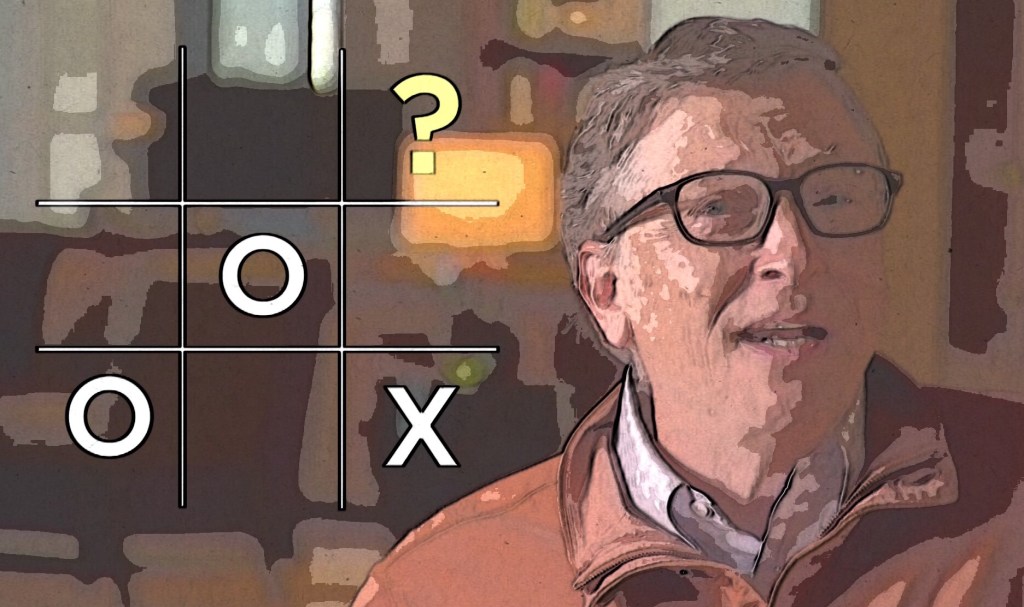
    ‘If’ is temperamental and hardly worth
    the effort it requires to hold it still.
    ‘Then’ is non-committal, swings back’n’forth
    then comes, then goes, then pendulums at will.
    In separate states ‘they’ push’n’pull apart;
    good order suffers – everyone’s confused.
    ‘Then’ makes a mockery of a clean start.
    ‘If’ takes liberties (not to be excused).
    What if/then in union these two are brought
    to heel; made to see reason; in a sense?
    What if/then, as bridled, these two are taught
    to harness the logic of consequence?
    . Then good reason will support a good guess;
    . therefore, what follows will also impress.

    © Tim Grace, 10 January 2014


    To the reader: If/then logic is a basic tool of computer programmers. Coded scripts embed consequential actions that take place according to if/then decision-making processes. Evaluators use if/then sequences to unravel cause and effect relationships. And, our socio-cultural institutions apply If/then statements to establish and reinforce behavioural codes of conduct; law and order. Without a logical connection between ‘if’ and ‘then’ the two stand at odds and create confusion.

    To the poet: The sonnet relies on a sequence of nested references that by association resonate with a reader’s interest. To engage curiosity, a loose level of ambiguity creates intrigue; and to add a twist, many sonnets feature what is known as a volta. The volta provides a turning point at which the direction of the poem changes; moves towards some form of resolution. In this sonnet the volta consumes the final quatrain; setting up space for the answer which comes in the final couplet.


    What if then?
    What if then?
    Picture Source:
    http://youtu.be/m2Ux2PnJe6E
  • Generous Grin

    Generous Grin

    “I don’t want no more than my deserve.”
    So said the swindler with generous grin.
    But he knows, full-well, his ball has a curve;
    a rubbery bounce with plenty of spin.
    One Man’s Profit – is another man’s pain:
    the working title of this swindler’s guide
    to self-help manoeuvres that leave no stain;
    with ‘cover-up advice’ from the inside:
    – cover them tracks as you leave the station.
    – cover your backs with an alibied trail.
    – cover them assets, spread the location.
    – cover your bets either side of the rail.
    . Cover your costs on a ticket to ride.
    . Help yourself hints for the sneaky and snide.

    © Tim Grace, 1 January 2014


    To the reader: Deception is a disposition not restricted to the human condition. Nature is a master of bluff and mimicry. The management of perception to favour selection and procreation is a vital survival strategy across all species. The swindler (that master of deceit) hoodwinks unsuspecting victims; using a suite of refined but very dubious tactics. Deception is an elaborated lie … a cunning plan; a clever trick!

    To the poet: Some poetry works well in sonnet form. The strolling rhythm suits the observation of life in passing: the rise and fall of emotions and the ebb and flow of time’s dispute with destiny. That same pulsing rhythm struggles with simple banter. Being a consistent and truthful rhythm it struggles with contrived hesitation. The application of too many tricks stretches belief and weakens the integrity of a sonnet.


    Generous Grin
    Generous Grin
    Picture Source:
    http://youtu.be/jealP0egJ9k

  • Why Do Some Things?

    Why Do Some Things?

    Why do we fear what we don’t understand?
    What makes ignorance the beast that it is?
    Why do we crush what we cannot command?
    How does good reason make sense of all this?
    Does logic lend favour to a good cause?
    Does logic distinguish fiction from fact?
    Does logic consider the pregnant pause?
    Does logic rationalise the random act?
    Sadly, the answer is ‘no it does not’.
    Some things defy logic; leave us confused.
    Some things are awkward, contentious and hot.
    Some things intrigue us, and leave us bemused.
    . A reasonable logic is common sense.
    . A logical reason is consequence.

    © Tim Grace, 28 December 2013


    To the reader: Common sense contributes to the real-life application of experience in the face of new circumstances. In a logical sense, taking a ‘common’ approach to problem solving is a bit hit and miss. Logical approaches reduce the impact of bias and error; distancing head-strong habits from heart felt emotions; favouring the cool calculation. All very-well, but hardly suited to the quirky-nature of human behaviour. We do what we do often to deliberately defy logic, to be unpredictable … don’t ask me why!

    To the poet: The challenge was to defend common sense. Over logic; which at best, questions irrational sentiments and contributes to good judgement. To address the challenge, the sonnet’s three stanzas rally to explore “Why… Do… Some things …” Ironically, through logical entanglements, the final couplet struggles with the delivery of a summative punch.


    Why Do Some Things? Why Do Some Things?
    Picture Source:
    http://youtu.be/LQoAg49NgMo
  • Roomination

    Roomination

    Roomination, contemplation of space;
    four walls expanded beyond shape and size.
    Perspective’s perspective so out of place;
    distance confounds me and distorts my eyes.
    Lost measures and linear illusions;
    with points that vanish, leaving empty seats
    as evidence; compressed conclusions;
    unresolved memories, the pattern repeats.
    She leaves with her red knitting in a bag,
    the conveyor-belt of toast keeps burning;
    Benedictine eggs and the daily rag;
    room for thought; the matter’s quite concerning.
    . Wait-staff, the living furniture at large,
    . the Maitre de, the memory, in charge.

    © Tim Grace, 22 December 2013


    To the reader: Internal spaces are staged environments. Suggestive social scripts. Spatial storyboards that prescribe behavioural narratives. Static decor wrapped in layers of ambience. Light becomes warmth. Sound becomes tone. Smell becomes taste. A cast of unscripted characters becomes style. And so with warmth, tone, taste and style all playing their parts our senses come alive to the stories within.

    To the poet: Mostly, a cast of unscripted characters will play their parts so well they remain invisible; leaving me to mine. Occasionally, from within the decor there’ll rise a character of interest. In this sonnet, it was simply a young woman knitting a red-scarf. She did nothing more than that… but that was unexpected.


    Roomination
    Roomination
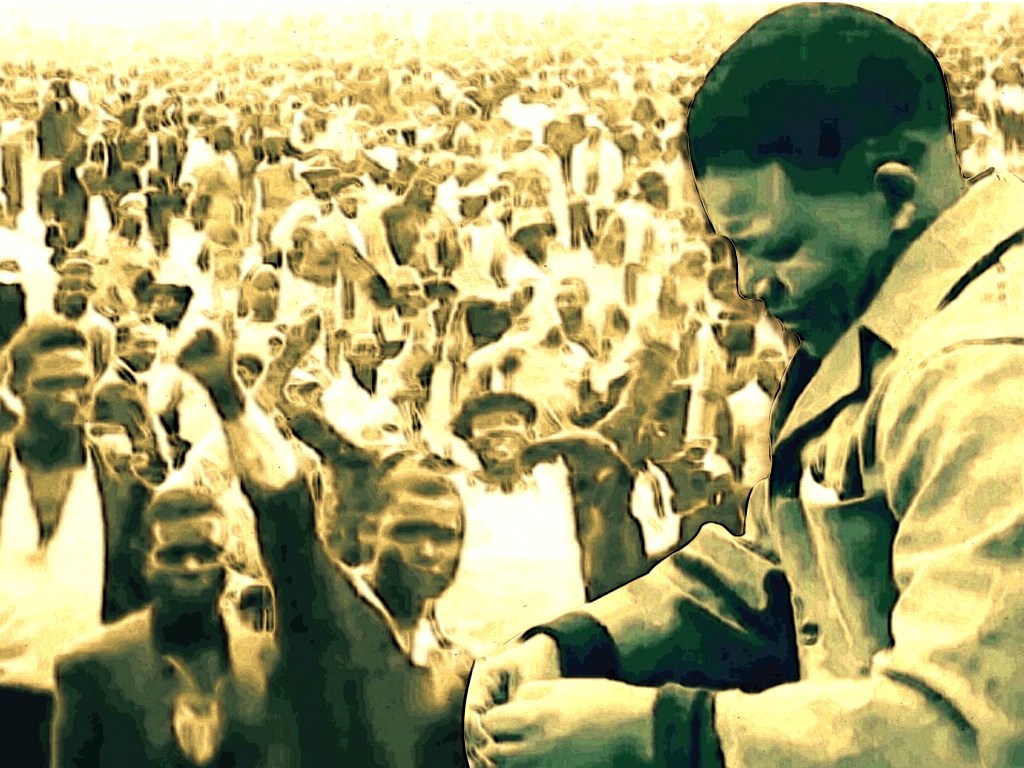
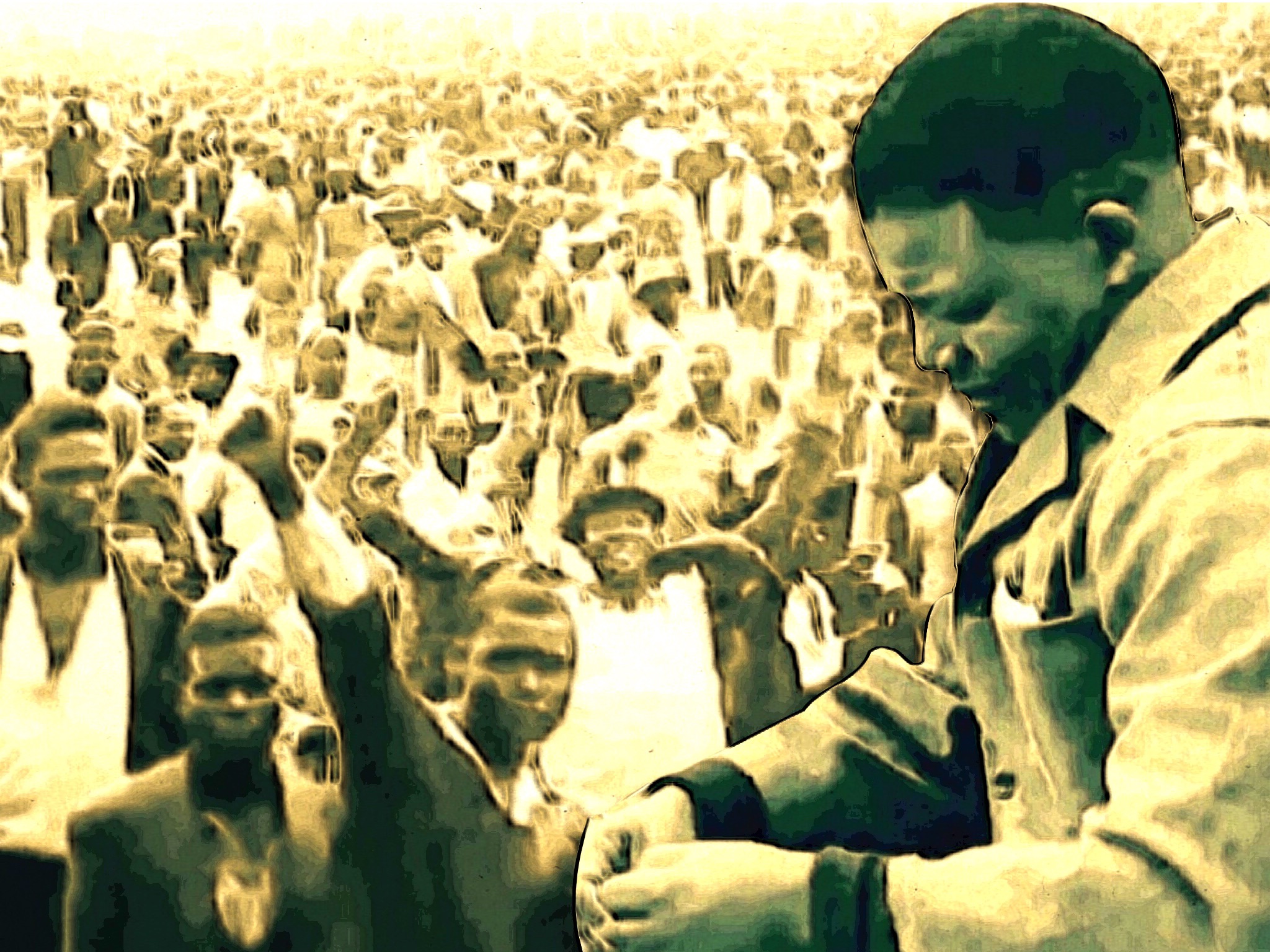
  • Another Man Died

    Another Man Died

    Another man died … yesterday at peace.
    Not the nameless soldier who died unknown.
    Far from that, far from that in his release.
    Time now that this rock becomes a corner stone;
    an anchored turning-point that conquers doubt.
    Time now that this voice, with its mellow twist,
    is so preserved as a whispering shout
    that resonates upon a rising fist:
    What one man can endure … so can it be.
    What one man can forgive … so too can we.
    What one man encouraged … so can it be.
    What one man imagined … so too can we.
    . Now the corner stone … the rock of ages,
    . Nelson Mandela … strong and courageous.

    © Tim Grace, 8 December 2013


    To the reader: Many things to many people; always an activist. Throughout Nelson Mandela’s long life he was a motivating energy; a source of inspiration to those who wanted to realise a dream. Being the personification of ‘we shall overcome’ meant his impact on social-order was breathtaking. His demanding relationship with illegitimate authorities and corrupt systems provides the key to his strength of character which ever sought the dignity of freedom and justice for all.

    To the poet: One of a few biographical sonnets written around this time. Mostly, a singular contrast to the previous sonnet honouring the unknown soldier as a collective metaphor. The finished product bears the hallmarks of a frustrating editing process that almost worked; not completely convincing in the end. There are elements that I like: “the mellow twist … upon a rising fist” suggests a gentle strength without reference to aggression or untrammelled anger.


    Another Man Died
    Another Man Died
    Picture Source:
    http://youtu.be/g5OJ205MdKI