Tag: literature

  • Notographs

    Notographs

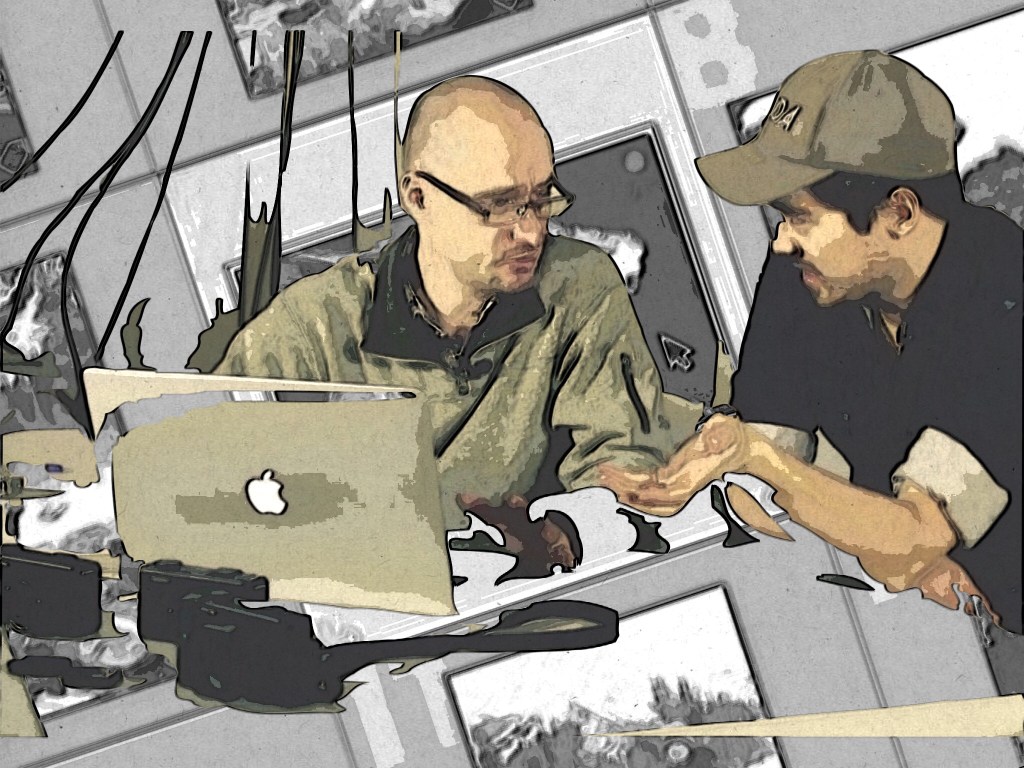
    In front of me sit two photographers,
    swapping thoughts on a gallery of shots;
    contemporary, digital philosophers
    sharing the joy of pixilated dots.
    They scroll through images and often pause
    to seek critique from a like-minded peer;
    they relive the moment, wonder its cause;
    they reflect upon a setting and think it queer
    that light through a shutter would strike a pose;
    shift attention to itself and so steal
    the focus of the frame – and so it goes,
    who knows the prism – as would light reveal
    . I watch from a distance – stealing quotes.
    . Adjust my frame of reference – taking notes.

    © Tim Grace, 8 July 2012


    To the reader: I sat alone, absorbing my surroundings; translating what I saw into comprehensible passages of ink… taking notographs. Behind me, two men shared a table and their photographic enthusiasm. Their expert mastery was evident, but so too was the thrill of light’s incidental intrusion. The mischievous play of light is hard to replicate in poetry. Can you over or under expose a word … is that the role of an adjective?

    To the poet: Snapshots capture incidental moments; it’s difficult to elevate interest above a casual glance. An environmental scan doesn’t always return a topic of literary note. Occasionally, the mundane is given gloss; just enough to raise an eyebrow or prick an ear. The jotted-poem, like the snapshot and the pencilled-sketch, has to reflect its momentary inspiration with readiness and brevity; stretch the point and you’ve lost the plot… easy does it.


    Notographs
    Notographs
    Picture Source:
    http://youtu.be/f3VjyHQiqdE
     

  • Friends – not lovers

    Friends – not lovers

    Friends, not lovers, protect us from ourselves.
    They can hold us steady, disentangle
    emotional strings, retrieve he who delves
    too deep; ungrip the hand that would strangle
    from life all good reason to continue
    the good fight (for a good cause warranted).
    Such is the good friend, with every sinew,
    a good connection, a well-cemented
    source of truth; a solid anchor of sorts,
    a fixed point of reference, not to be moved
    by whim or fancy (such as love contorts);
    so admired, esteemed, and much approved.
    . Such is the friend who through life endures,
    . promises nothing …. simply reassures.

    © Tim Grace, 23 June 2012


    To the reader: Love, besotted love, is emotionally vulnerable. Through devotion, tender love is unable to detach itself from heartfelt entanglements. The bond of friendship, however, has commitment without the surrender of proximity. Through distance a friend maintains objectivity; sometimes critical in the heat of emotional turmoil. The lover will tend to move towards the fire; the friend one-step back. A lover will sacrifice; a friend will rescue.

    To the poet: The continuity of rhythm and meter delivers flow; but, the principles of design apply to poetry … too much of a good thing detracts from character and diminishes interest. The deliberate disturbance of flow is part of a writer’s craft. Displacement is an effective ploy in attracting attention; but overplayed the strategy loses impact – predictability is the pitfall.


    Friends - not lovers
    Friends – not lovers
    Picture Source:
    http://youtu.be/SuUrG4Y29do
  • Like-For-Like

    Like-For-Like

    What of mimicry that honours the past?
    It’s somewhat amazing that like-for-like
    replacements have the talents to recast
    an event – so true, a match would strike!
    True, as in truth; so believably real.
    Real, as in genuine; a copy good.
    Good, as in that with the best to reveal.
    All things being equal it’s understood
    we appreciate a ‘genuine fake’
    as long as it’s ‘true, real, and good’ in shape.
    We value the effort that it must take
    to resemble, mimic, copy and ape.
    . True, real and good – the marks of excellence,
    . altogether bound – without pretence.

    © Tim Grace, 10 June 2012


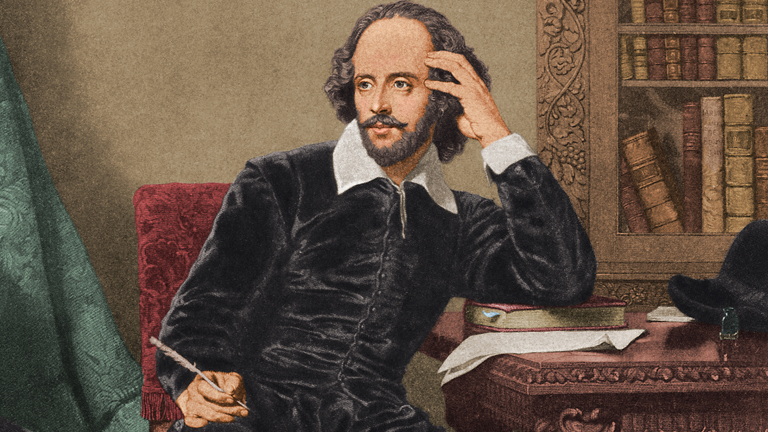
    To the reader: Of love, Shakespeare unpacked its elements as fair, kind and true. Time and time again he returns to this theme. There’s a sense he’s not fully satisfied with previous attempts; and so, has another go at getting it right. Sometimes the approach is quite subtle, on other occasions he’s openly deliberate in assemblage. Sonnet 105, is a prime example; one in which poetry is out-played by structural mechanics… it’s as much a riddle as it is a rhyme.

    To the poet: Imitation is the sincerest form of flattery (according to Charles Colton). On that basis, I had a go at describing ‘excellence’ with its elements being true, real and good. The first task is to establish purpose and, then as Shakespeare did, sequentially assemble its elements into a plausible list of contributing factors. From purposeful to plausible is two-thirds finished; the final third requires polish… it’s as much a puzzle as it is a poem.


    like-for-like like-for-like
    Picture Source:
    http://cp91279.biography.com/1000509261001/1000509261001_2013980530001_William-Shakespeare-The-Life-of-the-Bard.jpg


  • Life Long Journey

    Life Long Journey

    They tell me the life-long journey is done.
    Apparently, there’s been a change of course.
    The argument goes “that old race is run…
    that over-trodden track has lost its force.”
    Seems to me, it’s the traveller’s gone astray.
    It’s not the map that has thrown its compass
    to the four winds; and so, must find its way.
    It’s the runner; stuck in a deep crevasse:
    he’s become the point of question, the cause
    to pause, to hesitate, to contemplate:
    ‘position and condition’ on foreign shores;
    he threw aside the guide and tested fate.
    . Old maps are not for the lost to squander,
    . they offer much for the lost to ponder.

    © Tim Grace, 3 June 2012


    To the reader: Throughout life we adapt to changing circumstances. Those who stop adapting are least likely to survive the ravages of time. Thus, the life-long journey is a continuous construction of self; one that represents our environmental relationships. The key to survival is adaptation. Our adaptive capacities (knowledge, skills and understandings) are transmitted through interaction with others. There is no end to this journey, forever mapped to a lust for learning.

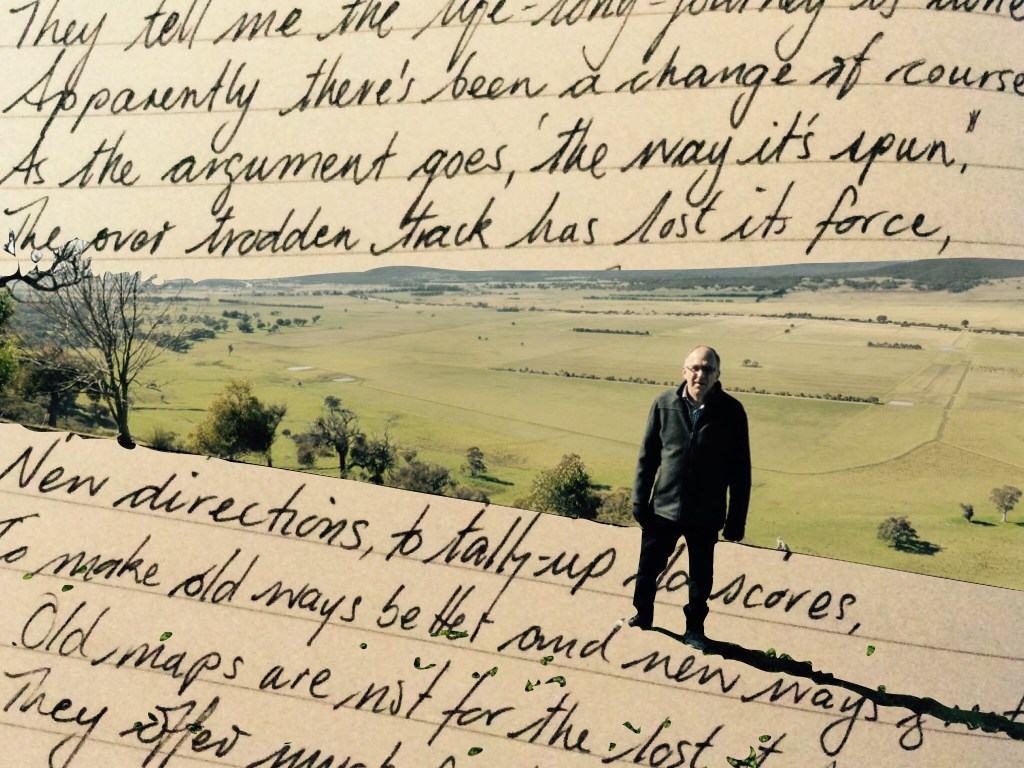
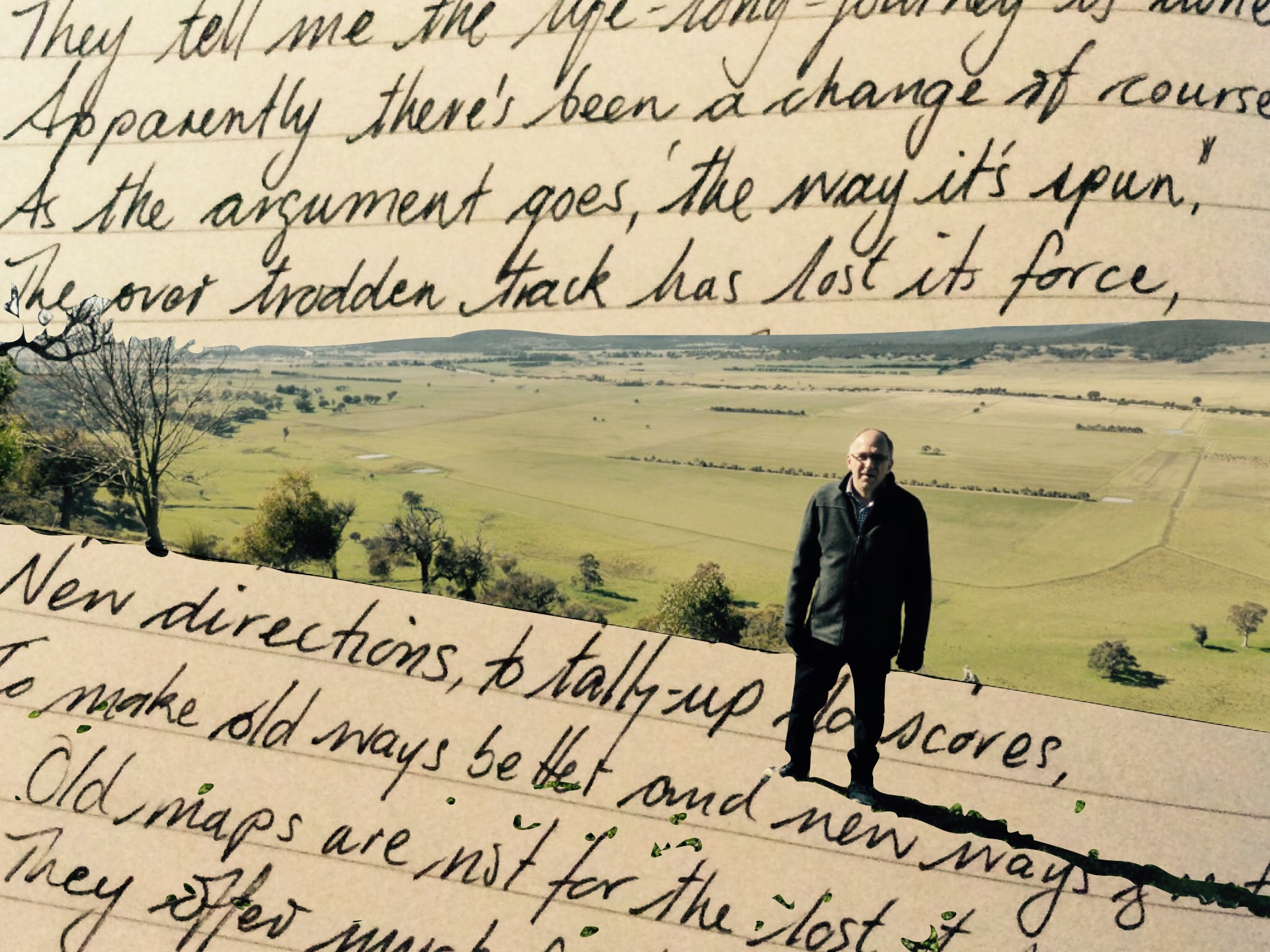
    To the poet: As a counter-argument this sonnet doesn’t quite reach the status of polemic. It does however mount a good case for life-long learning as mapped to a solid premise. The poetical challenge was to intersperse some geographical terrain into the text; the geographical context. The final handwritten version (3 June 2012) of this poem struggled to find its way; a digital rescue (2 February 2015) was applied a year or two down the track.


    life long journey life long journey


  • Destination

    Destination

    Sometimes we arrive at destinations;
    the result of an effortless journey.
    Driven not by stress or consternations;
    not chased, not pulled, not fuelled by urgency.
    It’s then that we arrive as a ready force;
    in full command of the traveller’s kit.
    No map, no guide, just a natural course:
    a passage through time, a comfortable fit.
    Left to take this ‘natural course’ we become
    our destination; and as such, arrive
    fully prepared: readied, and in fulsome
    frame of mind; eager to flourish and thrive.
    . Pathways to wherever can not be mapped,
    . they can not be copied or overlapped.

    © Tim Grace, 3 June 2012


    To the reader: The course of least resistance is one of many natural orders. A stream will meander around obstacles; seeking direction and guidance from the surrounding terrain. In this way a stream becomes its destination. In contrast, a fire will ravage its environment as it seeks to fuel an insatiable appetite for energy. The random path of a fire reflects a craving for instant gratification; there is no recognition of place in its destructive path. In this way a fire destroys its destination.

    To the poet: The natural flow of consciousness identifies a good poem. The ease by which a poem flows around obstacles of rhyme and reason is a marker of success. There will always be creative tension in a poem; for the course can not be so easy as to stop the stream of thought. The rhythm of ebb and flow, as opposed to slash and burn, seeks resolution not resignation; agreement not argument; destination not destruction.


    Destination Destination
    Pictue Sources:

    http://youtu.be/j5EviZch6XA


  • A Fallen Thought

    A Fallen Thought

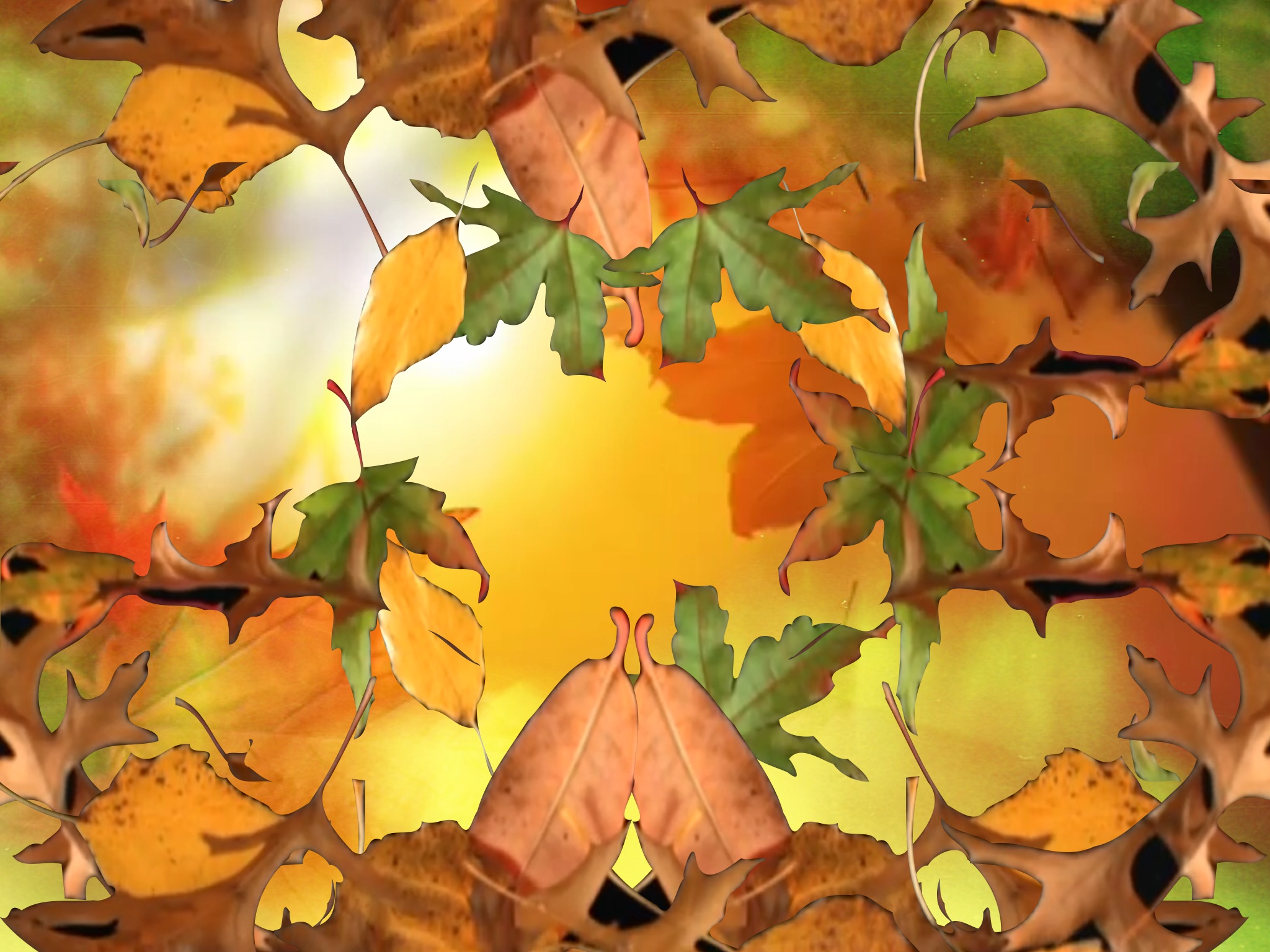
    I have swept the path of last Summer’s leaves;
    it’s late April, so prepare the parade.
    Salute the fallen; sombre Autumn heaves
    a sigh; recalls the cover of green shade.
    Now, on my shoulder rests a golden leaf.
    What am I to do? Brush it to the ground?
    How do I interpret this small motif:
    as commemorative fall; from tree unbound?
    Between my shoulder and the ground there’s space,
    just enough space, to think about good cause.
    There’s time, just enough time, to put in place
    a thought… a moment for reflective pause.
    . In fluttering leaves there’s a story told,
    . it’s a narrative, that turns green to gold.

    © Tim Grace, 23 April 2012


    To the reader: In temperate Australia, the autumnal month of April is adorned with commemorative symbolism. The imagery includes bravery and mateship woven into wreathes of green and gold. As the leaves of Summer flutter softly to the ground, there’s a sombre passage of reflection; space and time to remember the fallen before winter turns the foliage to mush. Those who fought for peace, now rest in peace… lest we forget.

    To the poet: A nice sonnet that turns a small personal incident into something more socially significant; and that’s the point of poetry. Through the obvious we discover truth; between gaps we discover opportunity; from now we interpret the moment – but only if we take notice. As poets, we need to observe what is and isn’t happening; for between these occurrences speaks possibility… through the poet’s eye we imagine the universe.


    A Fallen Thought
    A Fallen Thought
    Picture Sources:
    1. http://youtu.be/E56YcMbnCO4
    2. http://youtu.be/eY3ASysJfCQ