Tag: literature

  • In the now…

    In the now…

    Be learn’d in the now, be connected
    to what is your current fascination.
    Take from today all that is collected,
    make this the lot, the plot of your creation.
    Expect nothing of tomorrow’s promise,
    and give not tomorrow today’s excuse.
    Be of the moment; and then so, with ease
    make invisible time’s disappointed fuse.
    Have in mind only this day’s food for thought,
    for tomorrow’s feast is an empty plate,
    nothing more than that, a recipe fraught
    with expectation; do not take the bait.
    . Be absorbed in the now, be besotted,
    . take from today all that is allotted.

    © Tim Grace, 28 September 2012


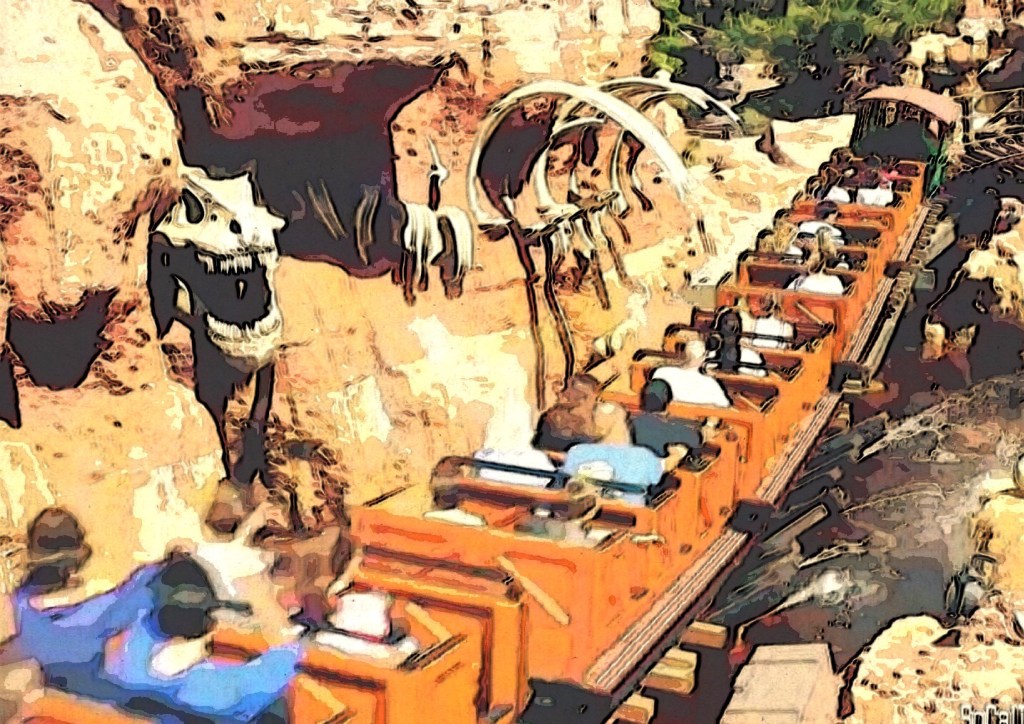
    To the reader: Living for the day and seizing the day are different concepts. Living for the day assumes no connection with days gone or days to come. Seizing the day treats the present as an opportunity for future construction. To be absorbed by ‘this day’ for its own sake is the fun park approach to life; the alternative, is a nature park relationship with time’s daily dose. In the fun park we have an apportioned amount of time to cram the day with pleasure; what’s not done will never be done. Tomorrow is the same day of rides repeated.

    To the poet: It’s from the nature park a poet learns not be concerned about tomorrow’s feast of words; we can not guess the menu. Tomorrow’s empty plate will fill; just as every other. The better care we take of today’s nature park the better will be tomorrow’s narrative. Today is tomorrow’s write of passage. Poetry thrives on adaptation to its current concerns… it can not graze on tomorrow’s grass; for that field is yet to grow.


    in the now In The Now
    Picture Source:
    http://youtu.be/GMtcDa_7NHU


  • Water’s Edge

    Water’s Edge

    A sunlit jetty, jutting out to sea;
    a wall of rocks resist the lapping tide;
    the Water’s Edge cafe is serving tea;
    two tethered yachts are dancing side-by-side.
    Waves absorb the jetty, drink to the bar;
    it’s an all-day breakfast, a seafood quiche;
    jelly-fish, tangled nets and caviar;
    loose jib on the Cactus Wren breaks its leash;
    a docile doberman lounges at large,
    waitress brings him water in a blue dish;
    father and son wave to a passing barge;
    a day without limits… just as you’d wish.
    . Today’s consumption will be time well spent,
    . awash with moments, as were sort of meant.

    © Tim Grace, 15 September 2012


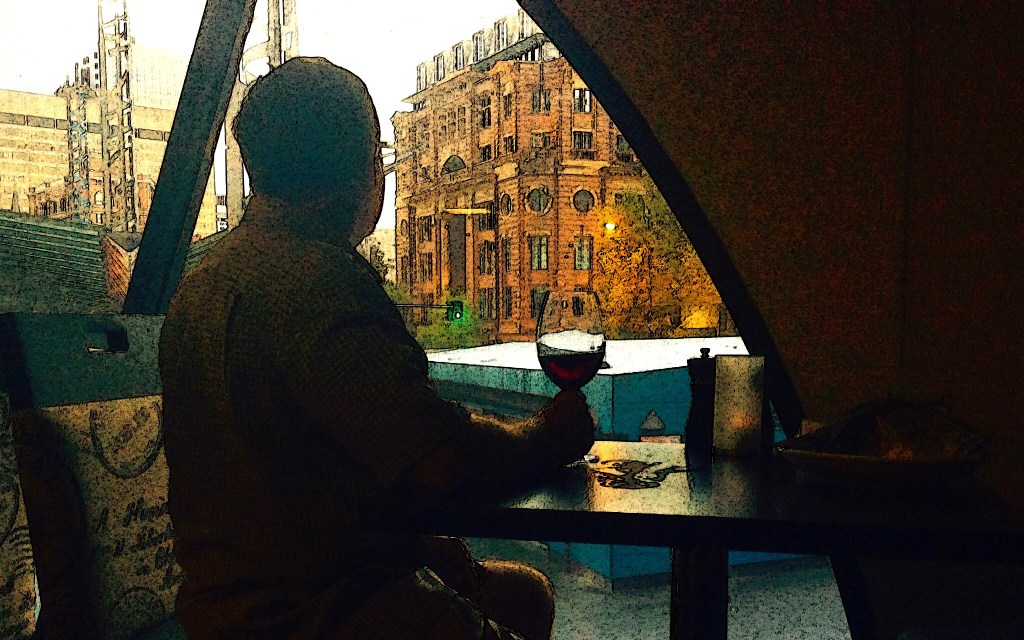
    To the reader: To the sound of gently lapping water I wander the coastal promenade; find an outdoor table; it’s perched at the end of a short jetty. With the morning sun’s warmth on my back I open my eyes to the scenery at large. At water’s edge, a cafe has delivered the first of many all-day breakfasts. Behind me two yachts acknowledge as passing wave. Eyes shift, a waitress is delivering a blue bowl of water to a black dog. Scene closes with a father and his young son greeting the black dog with a ‘good morning’ pat-and-chat.

    To the poet: Light extends a poet’s vision into the realms of colour and movement. The crisp light of dawn is by nature poetic. With fresh aspect it exposes familiar forms to new interpretation. Dawn’s crisp exposure, fleeting as it is, delivers a lasting impression. Beyond an hour or so of rising its particular beauty is diffused to a general sense of mundane utility. The day is best seized by the touch of dawn.


    Water's Edge
    Water’s Edge
  • Dog House

    Dog House

    Where live those demons, where do they reside?
    Long-stay lodgers, cluttering cavities,
    residential tenants, hard to abide,
    hard to accommodate … depravities.
    Where live those phobias that tease and taunt?
    Reckless wranglers, robbers of niche and nest.
    Thieves, gypsies and thieves, that endlessly haunt
    contentment; pull upon the softest leash.
    Where live those mongrels, that doggedly drain
    all sense from sensibility, larking
    larrikins, bedroom bandits, once again
    prove themselves mad, yes… barking!
    . Where lives lunacy, where does it locate?
    . It lives in a kennel, barks at the gate.

    © Tim Grace, 15 September 2012


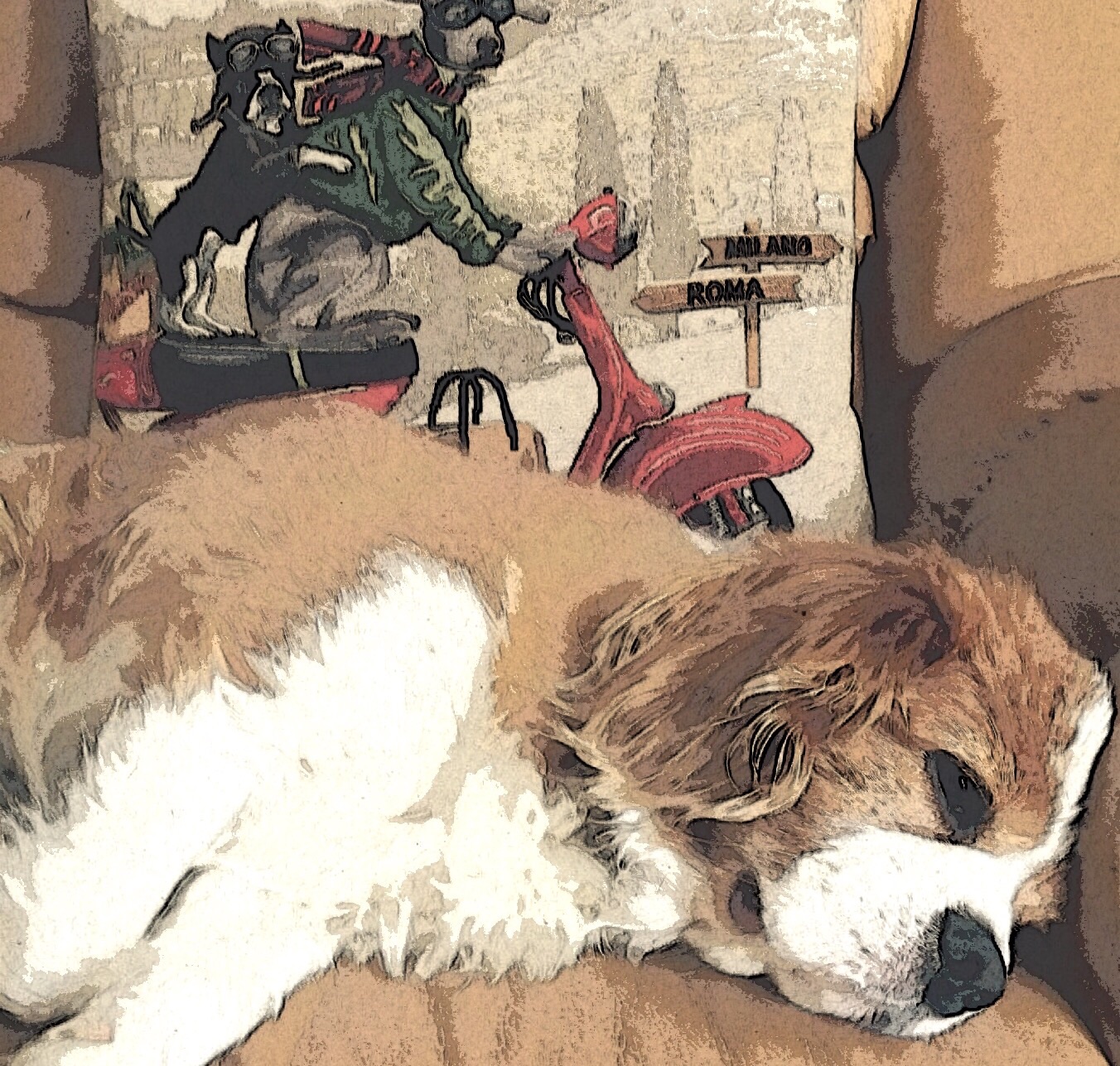
    To the reader: I think dog-ness needs to be recognised as a disability. My canine residents are daily afflicted by a host of phobias; translated into all manner of quirky behaviours. Between stimulus and response their processing is spontaneous and erratic; predictably, the product is most often a “dog’s breakfast”. As chaos calms, there’s a small sense of reflection but never enough to suggest that sanity will ever prevail.

    To the poet: As a descriptive piece, this poem delivers a litany of pet perturbances. I love my dogs but they do have some very annoying habits that warrant occasional relegation to the metaphorical dog-house. Obviously, it was important to workshop the sonnet. I’m happy to report that both dogs agreed it was a perfect likeness of the other.


    Dog House Dog House


  • Sameness Overcome

    Sameness Overcome

    All days the same, patterned on each other;
    templates, just repeated in shape and size.
    How to make a difference; one from t’other?
    Make love to the morning, feel her surprise.
    Love’s rhythm is what sets two days apart.
    Begins the flow of motion that prepares
    your mind for nuance; gives the day fresh start.
    When borne of love, no other compares…
    for sameness is overcome. With love’s touch
    the subtlety of difference is revealed,
    feelings are massaged, caressed, and as such
    become a new day; fresh as a green field.
    . No two kisses need ever be the same,
    . with love’s rebirth, each day takes a new frame.

    © Tim Grace, 8 September 2012


    To the reader: Love is a refreshing agent. Its confirmation reassures and resets relationships. The natural flow of day and night cycles through the rhythm of life and love responds in kind. We are bound to love’s attraction; drawn to its affection; captured by its charm; and seduced by its sensitivity. Those delicious endorphins have us craving a new day’s kiss.

    To the poet: A poem about sex doesn’t need to be lewd, crude or rude. The power of suggestion is all that’s required. As with all good art, a good poem needs to leave room for interpretation. To leave no room for suggestive imagination would mark the erotic intent as nothing more than pornographic titillation. By the splendours of a new day sameness is overcome.


    image


  • Three Complications

    Three Complications

    The cave, the campfire, and the carnival.
    Three complications, mine to be resolved.
    In one, the cave, I am most comfortable.
    Most myself, most at home, most involved.
    Drag me from my cave, my favoured dwelling,
    wrench me out of this reclusive hollow;
    pull me screaming and ignore my yelling;
    tow me to the campfire, make me follow;
    wright me in the carnival’s raucous script;
    place me with a crowd, put me on parade;
    chain me to the mob – least of all equipped
    to cope with this, and most of all afraid.
    . I’m a caveman, that’s my disposition.
    . Elsewhere, I’m awkward in rendition.

    © Tim Grace, 26 August 2012


    To the reader: In a social sense we all have a comfort zone; an interactive range of capability. In the cave dwells the ‘home alone’ introvert. Oblivious to external distractions, he happily crafts an inward-facing palace of private pleasures. His windows on the world are guarded lookouts; portals that provide protection as much as they do vistas over new horizons. His home is an introspective exhibition of self-sufficiency… he looks forward to your company, but rarely seeks it.

    To the poet: I write from the vantage point of a cave. A metaphorical-mobile-cave that has no fixed address. The metaphorical-mobile-cave is appointed with modern amenities and adapts well to its surrounding conditions. In this sense, it’s a versatile-metaphorical-mobile-cave with its own sense of respectful hospitality. The cafe is my cave… a poet’s paradise.


    Three Complications
    Three Complications


  • Brittle Surface

    Brittle Surface

    Then there’s the other playground, hidden
    from the cast of eyes, from the field of view.
    Given shape of whispers, a forbidden
    terrain that no survey could map as true.
    Due regard, a somewhat wise precaution.
    As with a grain of truth in rumour’s mill,
    this place has no scale of good proportion.
    All things can be ground to a common swill:
    ’til there’s nothing left of confidence,
    just the remnants of dignity, respect,
    and honour; nothing but shallow pretence,
    a bastion of moral poverty … wrecked.
    . Play, ground away, under spiteful attack,
    . Brittle is its surface; ready to crack

    © Tim Grace, 22 August 2012


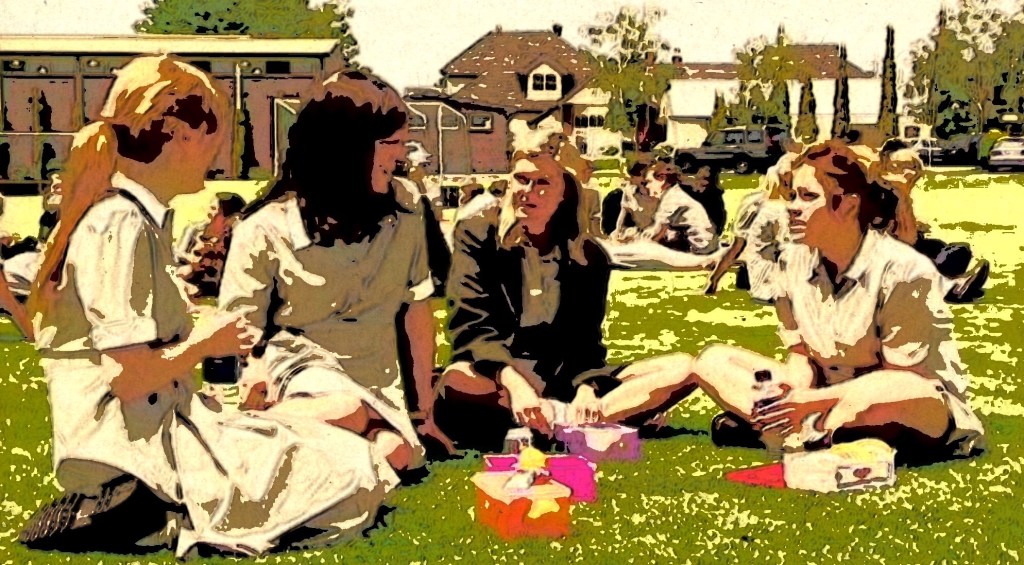
    To the reader: As a school principal, I watched with horror the spiteful subterranean attack of girls on each others’ friendships. Damage to dignity inflicts a cruel wound; one that festers long after its initiation. The attacks were often highly orchestrated and finely targeted at a hapless victim. The remedy was to some extent exposure but humiliation of the perpetrator was fuel to the fire. Reconciliation was the broker’s joy!

    To the poet: This sonnet was constructed to highlight the fragility of a playground. Designed with a sharp tongue in mind. An outpouring of emotion, prone to pretence and posturing. A string of words nuanced with nastiness. If you’re listening carefully there’s a reference to self-pity; an obfuscation, that distracts attention from cause and effect. The mere suggestion of ill-will is an affront worthy of indignation. Words just words… I don’t think so.


    Brittle Surface Brittle Surface
    Picture Source:
    http://youtu.be/YYfxfudoE_k