Tag: english

  • Those Who Frown

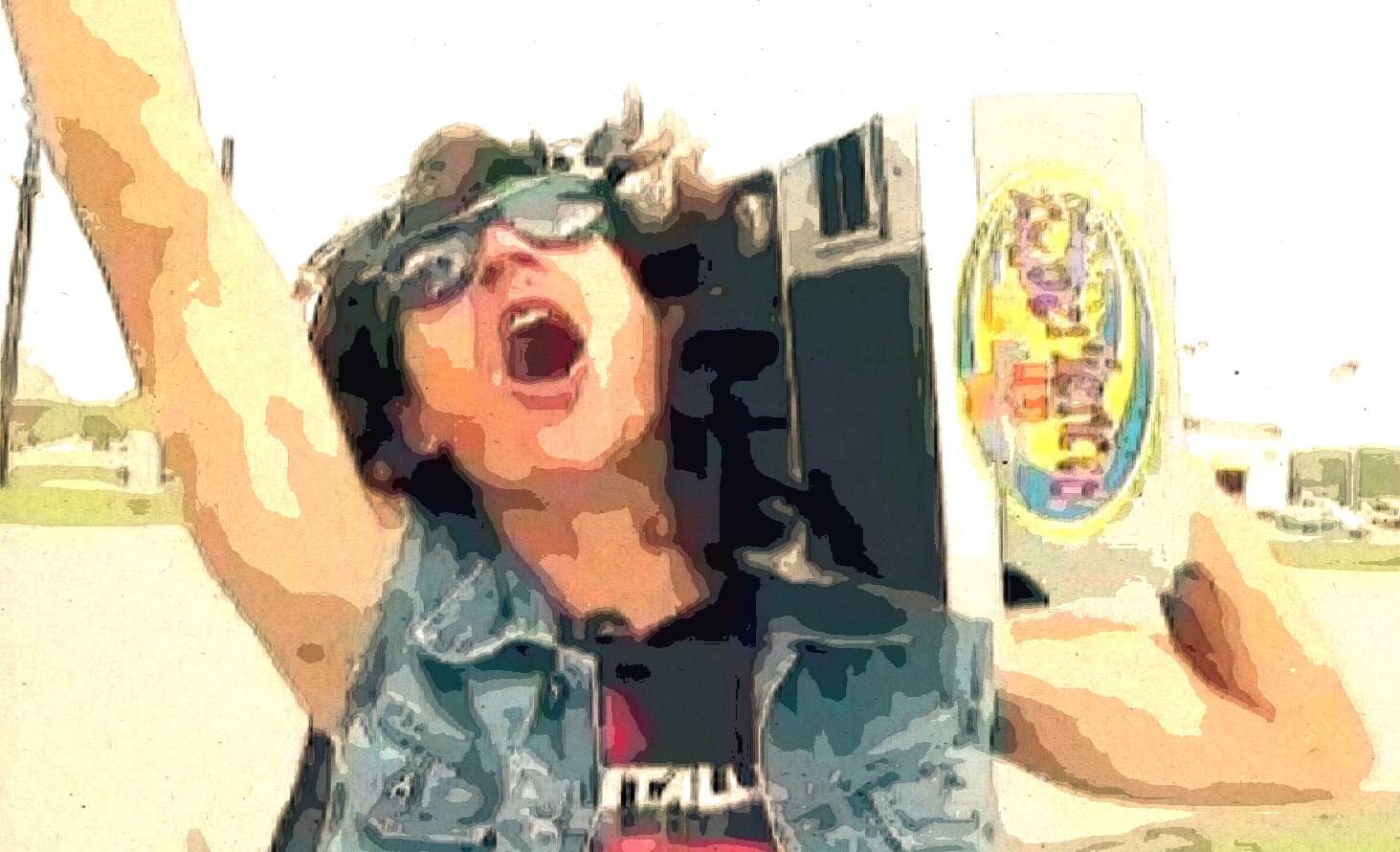
    Those Who Frown

    What to make of those with humourless wit,
    of those who frown, those who grumble and growl;
    of those who bemoan joy; awkwardly sit
    upon a light-hearted jest with a scowl?
    What to make of those who by nature rile
    against the frivolous; heavily mark
    the wistful as trite and in sombre style
    dismiss the chortle as an errant lark?
    What to make of those with dark demeanour,
    those who do nothing but darken the sky,
    casting shadows on polished patina;
    those who take a dim view of all they spy?
    . These are they who chain good-fun to a cage,
    . and for laughter’s sake, will a smirk engage.

    © Tim Grace, 17 March 2013


    To the reader: Some adults unlearn everything they once knew about fun and laughter; they become morose and sullen. No doubt they have good-reason for such stern reproach of light-hearted follies. Chronic absence of a smile response robs these grumpy souls of the happiness surge delivered by endorphins and triggered by something as simple as a genuine smile. The health benefits of smiling are impressive; so too the social impact of this friendly gesture.

    To the poet: We can take the pursuit of happiness too seriously; drain it of fun and become disheartened. Writing a sonnet can suffer the same chain of events. In its original form this sonnet had an unintelligible middle stanza that was lost in its own search for meaning. The ‘editorial rescue’ ripped out the guts and inserted a verse. The final structure of three verses and a chorus brings me no great joy!


    Those Who Frown Those Who Frown
    Picture Source:
    http://undergroundhealthreporter.com/duchenne-smile-benefits/#axzz3YvMx8Okk
  • Chambers of Bone

    Chambers of Bone

    The dinosaur. Well and truly buried.
    A sedimentary relic. Petrified.
    Given to the past; a long time slurried,
    muddied-over, laid to rest, fossilised.
    Entombed worrier. Stabilised in stone.
    Imprisoned posture; contorted, compressed,
    a calcified temple, chambers of bone.
    A cathedral where hides the dragon’s nest.
    The lair, from where darkness is cemented
    to shadows; re-dressed in fear and loathing.
    Where naked bones are re-fleshed. Tormented
    skeletons. Cupboards of ghoulish clothing.
    . From the dust of bones the dragons rise,
    . to be the carriers of cruel demise.

    © Tim Grace, 11 March 2013


    To the reader: The dinosaurs’ demise was dramatic but to some extent not as final as their stone graves suggest. In miniature, birds (as feathered remnants) and reptiles (as scaled mimics) echo the intriguing traits of their prehistoric ancestors. And without too much stretch of logic it’s easy to see how with a flight of fantasy we’ve invented the mythical dragon. Skeletons and rattling bones can send a shiver up the spine.

    To the poet: This sonnet begins with short sharp statements of finality: the dinosaur is dead. And being so, the dinosaur has become a larger than life assemblage of intrigue and fascination. From ‘calcified temples and chambers of bone’ the dinosaur has given birth to the dragon; a cantankerous creature renowned for having a quick and revengeful temper. Some things are best left buried.


    Chambers of Bone
    Chambers of Bone
    Pictures Sources:
    1- http://youtu.be/chmDjcxEcAQ
    2- http://youtu.be/wvESMH93PU8
  • Amplified Invasion

    Amplified Invasion

    An amplified invasion so disturbs
    the peace; a cavalcade of decibels
    on drill: marching the streets, pounding the kerbs.
    Exploding sound-grenades and mortar shells.
    A wall of sound, invisible to touch,
    yet so capable of prickling the skin.
    Audible ferocity; far too much
    to absorb – loud and deafening din.
    A relentless, raucous calamity;
    no definition, a cacophony;
    no room for nuance, blunt audacity;
    no conduct befitting a symphony.
    . To turn down the volume is sound advice,
    . Those who cannot hear pay a heavy price.

    © Tim Grace, 4 March 2013


    To the reader: Walked past a bar in Bondi… note to self triggers idea for sonnet: “Loud defines itself as big and bold; amplified beyond a normal range of tolerance. And that’s the point – tolerance. Loudness has a relative setting calibrated to a social context. There is no right or wrong volume but there is an appropriate volume. Big and bold is admirable to a point; beyond that point it becomes demanding and intrusive.

    To the poet: Walked past a bar in Bondi… loud noise obliterated social exchange. There’s a pleasure in writing from experience. The non-contrived foundation establishes a convincing script. Chances are an authentic narrative attached to a real reaction will resonate with others. And so it was, that evening in Bondi, I was ambushed by an amplified invasion of noise; grabbed without consent.


    Amplified Invasion
    Amplified Invasion
    Picture Source:
    http://youtu.be/eXJo83oHs4M
  • Things of Interest

    Things of Interest

    Things, nameless remnants, objects in a drawer;
    trinkets that tumble out of time and place.
    Garage gadgets, artefacts of war;
    unidentified objects, out of space,
    out of reason, out of function and fit:
    oddities, obscurities, curios
    long since departed from inventor’s wit;
    having lost the memory of ‘who knows’.
    Relics in a box, contents in a trunk,
    a job-lot of stuff, a deceased estate
    to be sold-off cheap, to be bought as junk:
    what’s good for nothing makes a paper weight.
    . Nothing more nameless than a nameless thing.
    . All deserve a title – be it subject or king.

    © Tim Grace, 17 February 2013


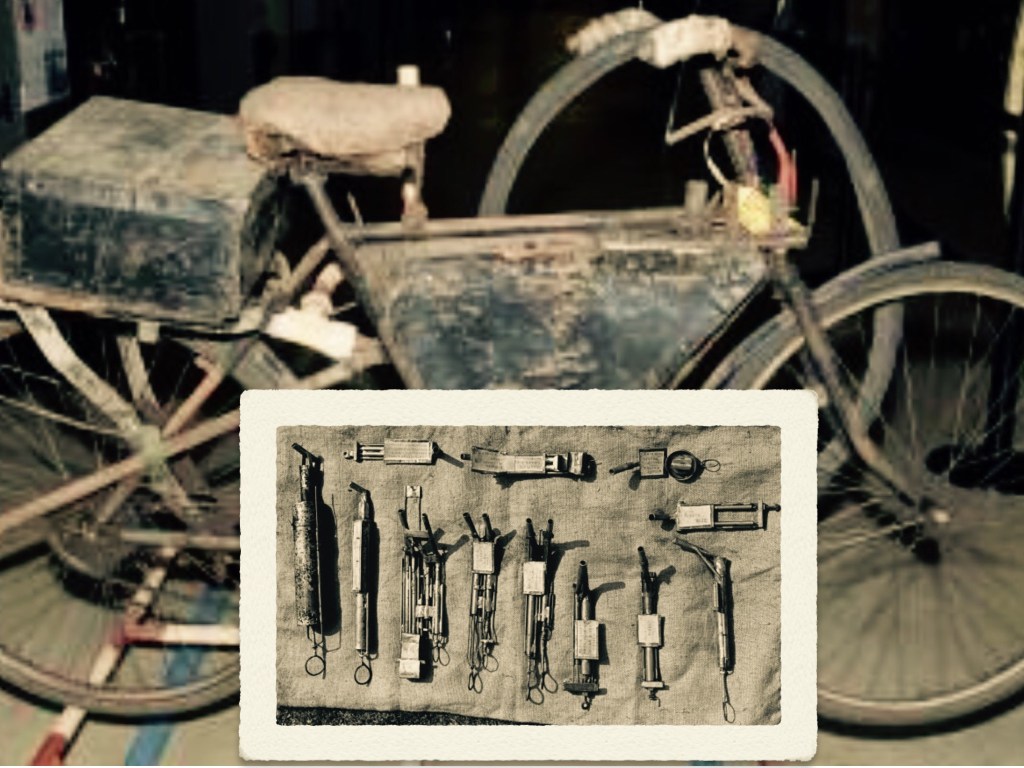
    To the reader: I discovered an eccentric great uncle: the bird man. He was featured in a national display of urban characters known for having an inventive wit related to ‘things’. Uncle Henry Grace, was a bird-listener. He rode the country-side listening to warbles. Fittingly, he then invented his own form of warble-notation to capture distinctive ‘calls of the bush’. Then, he would create tin-whistles that imitated the various cheeps and chirps. A century later they are ‘things’ of interest; curios.

    To the poet: In its first-draft this sonnet began with: ‘Objectification, the stuff of things’… borrowed (I remember) from the more contentious notion of ‘Subjectification, the sport of kings’. Quite a nice beginning, but the rest of the sonnet was hopelessly lost in trivial detail. And so, the long task of re-writing began. A complete upheaval takes some effort. Holding on to the essence, discarding all else … that’s the thing.


    Things of Interest
    Things of Interest
    Picture Source:
    http://trove.nla.gov.au/work/36318721?q=henry+grace+whistles&l-availability=y&l-australian=y&c=picture&versionId=46737536
  • All But Lost

    All But Lost

    Lost objects: misplaced, dropped, or stolen;
    buried; put down through absence of mind
    Lost bravado: diminished, unswollen;
    deflated; rigid support now declined.
    Lost causes: with the best of intentions;
    unfulfilled; promises stalled and delayed.
    Lost rewards: accrue treasured dimensions;
    benefits foregone; with bonus unpaid.
    Lost directions: said purpose gone amiss;
    somewhere becomes nowhere; set poles apart.
    Lost investments: without jackpot or bliss;
    shrewd can be clever; with losses that smart.
    . Lost meanings: in the hand of ancient scribes,
    . Lost cities: gone meandering with tribes.

    © Tim Grace, 3 February 2013


    To the reader: Lost is a location none of us set out to find. Technically, I suppose it’s as much a place as any other. Lost is where the misplaced gather. Lost is a nebulous noun that, through vowel-association, finds its place in the good company of: last, lest, list and lust. It’s origins are from Old English tongues, where it evolved from words associated with perish; as in gone missing.

    To the poet: Being a pedant is not a poetic prerequisite; however, having a creative interest in words is a desirable attribute. Pulling apart, rebuilding and associating the word ‘lost’ sparked my sustained interest. Whether the pursuit and discovery was worthwhile I’m not sure. All things considered, I clarified in my own mind the difference between a lost object and a lost cause.


    All But Lost
    All But Lost
    Picture Source:
    http://youtu.be/_8jzqKNDkgM
  • That Final Breath

    That Final Breath

    Sadly, one certainty of life is death.
    And so, it is for all of us to end.
    Somewhere, there awaits our final breath.
    Inhaled, not for exchange, but to expend.
    This breath, of all breaths, is to be remorsed.
    It’s the breath most wasted and least returned.
    Consumed for the purpose of life’s exhaust;
    of continuation, it’s least concerned.
    Somewhere, then, this final breath sits in wait…
    to be swallowed deep but not ingested.
    This breath has destiny; a half-used fate;
    incomplete, resolute, uncontested.
    . But for one-breath, we have life’s abundance.
    . It’s through this-breath, that we meet redundance.

    © Tim Grace, 3 February 2013


    To the reader: Not breathless, simply exhausted of life. It’s the last breath taken and not returned. Delivers a terminal solution. The act of living is respiration. Recycled air; a generous spirit. Acts of goodness get taken for granted. We begin and end our lives with a gasp. Air is a rich and abundant resource. Not a trivial keep-worthy trinket. Not to be held for longer than needed. Its living purpose is spent and renewed.

    To the poet: In ‘to the reader’ I collected together eleven sentences loosely connected to the topic of breath. Each sentence is ten-syllables long and follows on from the previous; but it’s not poetry. The difference has something to do with a missing thread of consciousness. The thread of poetry is tied by the poet and un-ravelled by the reader; one gives the other receives … together we breathe the spirit of art.


    That Final Breath
    That Final Breath
    Picture Source:
    http://youtu.be/s7HHyAN60qI