Blog

  • Forged or Forced

    Forged or Forced

    It’s not that these are different: so unlike
    that resemblance must be forged or forced
    from two extremes. It’s not that hard to strike
    agreement; one that’s logically endorsed.
    The fear of difference is a sad disease,
    a limiting malady; one that’s stoked
    by judgement (prejudice) and jealousies:
    stoked by greed; too easily provoked;
    too easily given voice of reason;
    dressed as patriotic (us not them).
    As contrast sees many, difference sees one.
    It’s from a single cell that many stem.
    . Be not divided by difference, delight
    . in contrast, sing of all things bold and bright.

    © Tim Grace, 7 October 2012


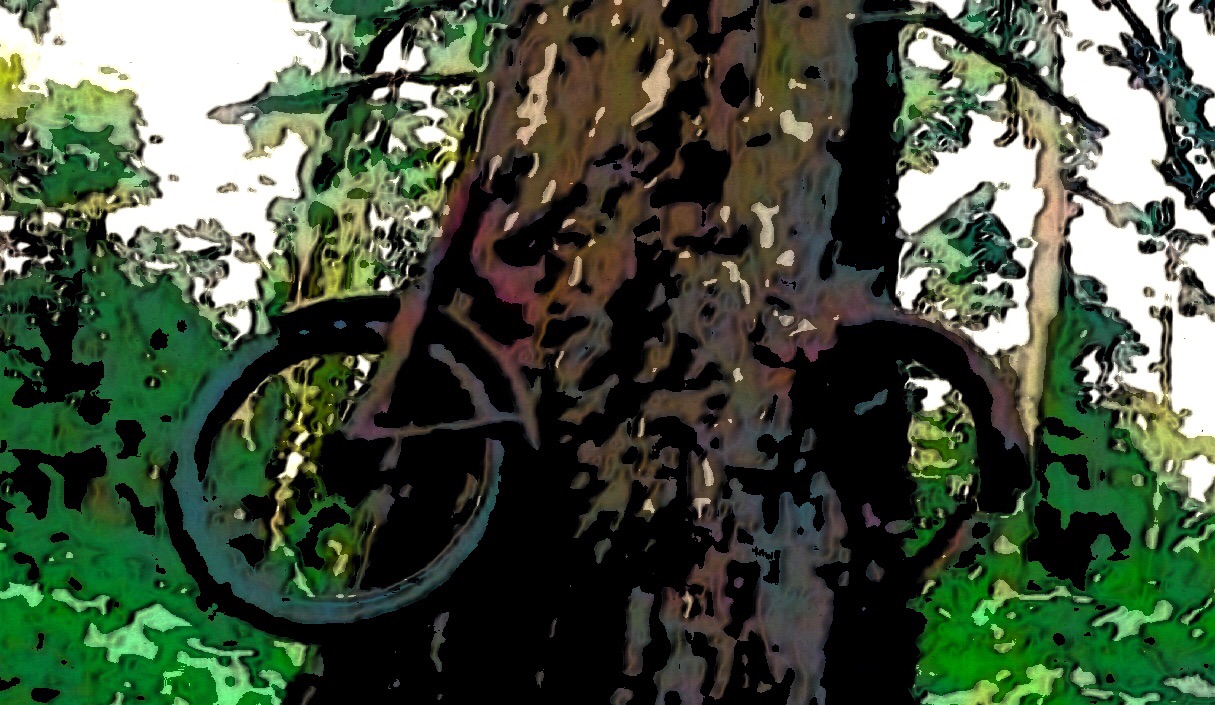
    To the reader: When an image is drained of definition we can manipulate its balance to achieve a better effect. Toggling the tonal quality adjusts the play of light and colour. Too much light and the image is saturated with colour. Any over-compensation risks distortion. The trick is to graduate changes with care so that shadows, lines and temperature strike a natural pose.

    To the poet: In any act of distortion, there’s a point at which an adjustment disagrees with reality; the exaggerated affect stretches belief. Over-emphasis is the literary equivalence of photographic saturation. In concluding a sonnet there’s a risk of rising to a climactic couplet, a crescendo of pretentious agreement… “sing of all things bold and bright” may have met the tipping point?

     

    image

  • To this point…

    To this point…

    To this point, there’s a statement of intent:
    the sending of a message; the promise
    to commit; it’s this sets the precedent,
    this then becomes the line of sight, from this
    all else is judged upon delivery.
    Against what’s known, what’s been, new things are judged:
    held account; tested for transparency;
    valued for clarity … dismissed if smudged.
    The purity of truth is honesty:
    revered as the path to enlightenment;
    it’s the well-spring of possibility;
    a straight approach without impedement.
    . For those who are driven by conviction,
    . be not distracted by contradiction.

    © Tim Grace, 6 October 2012


    To the reader: Up to a point, most of us can hold opposing points of view without losing face or sleep. The internal debate over right and wrong, good and bad is instructive. Occasionally, gaps widen and curious differences become stark and polarised. Through choice, we abandon one idea for another and our personal conflict is resolved. Through good government, mature societies can do the same: we live with contradiction but not hipocracy.

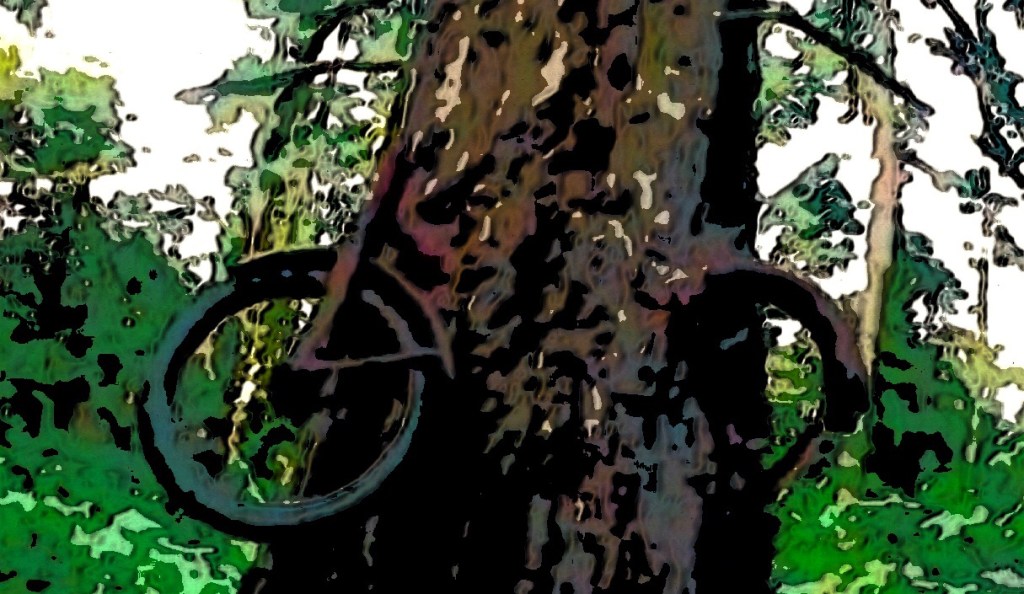
    To the poet: “Is the line concise on contradiction?” Unpacking, then reassembling a ten-syllable sequence created for poetic effect is a bit of a stretch; for reader and poet. On the way to a logical conclusion there are many distracting alternatives; rhyme being the most significant. As one rhyme demands another the margin of error widens and the meaningful target becomes less and less a possibility. You can feel it happening… but like bike and tree there’s a fatal attraction to disaster!


    To a point... To a point…
    Picture Source:
    http://youtu.be/06J1GLnvIss
  • Better so to listen…

    Better so to listen…

    . better so to listen, gentle of ear,
    . it’s their voice, not yours, that will make things clear.

    © Tim Grace, 5 October 2012


    To the reader: The soft-counselling of a friend provides a safe place for disappointment and sadness to speak its voice. In the resolution of loss or grief there are moments when wise-words are best left unspoken. In these moments, the broken-hearted and the grief-stricken seek nothing more than reassurance. Their healing process begins with the confirmation of a companion that cares enough to listen. In time, the spoken response will be appropriate… save that for later.

    To the poet: “Should they be blurred to favour tolerance?” Between writing and interpreting this line of thought, I think I’ve softened the tension between tolerance and suspended judgement. The need for restraint in criticism has been replaced with a more general statement on responsive listening. I’ve not really answered the question: “How much lee-way does intolerance deserve?”


    Offer Strength Offer Strength
    Picture Source:
    http://youtu.be/RvqSkStr94A
  • Distinction

    Distinction

    By way of dust and ashes we are linked
    to common threads: strung to a string of time;
    individually knotted, distinct
    in our difference. Be it lemon or lime,
    we are spliced to a single stock; rooted
    in the same soil; given source to nourish;
    encouraged to grow as would be suited
    to meet our own needs; and thereby, flourish
    into form, complete with name and feature:
    detailed with nuance, character and style,
    labelled as ‘self’ from a common creature.
    . Thus, we are universally designed,
    . and yet, so individually defined.

    © Tim Grace, 4 October 2012


    To the reader: As crowds assemble, individual features are swallowed by a depth of field that intuitively responds to changes of light and aperture. As eyes adjust to new interests, peripheral surroundings are rendered as a common blur. It takes just the slightest shift of focus to re-engage with diffused details; to bring them to the fore as new impressions; key-frames that describe “my” experience of a common event.

    To the poet: “What about the drawing of distinctions?” A long thread of thoughts; heavily punctuated with sign-posts and guide-rails separating one thing from another. At various turning points the poem poses two similar characteristics and through nuance attributes to them a difference of sorts: dust and ashes, lemon or lime, name and feature, character and style. Not that similar, not that different, separated then by distinction.


    Distinction Distinction
    Picture Source:
    http://youtu.be/6ynXva3oD9I


  • Twelve Questions

    Twelve Questions

    What about the drawing of distinctions?
    Should they be blurred to favour tolerance?
    Is the line concise on contradictions?
    What advice does logic bring to difference?
    How are we to judge without conclusion?
    How so is ‘that from this’ to be defined?
    Is ‘to know’ a hoax, a grand delusion?
    Are all things to be boldly underlined?
    What of two-minds that claim a single-thought?
    What of the question that has no answer?
    What’s nothing but the invention of naught?
    What’s more static than a statued dancer?
    . It’s not the answer that in truth divides,
    . More so the question that in doubt resides.

    © Tim Grace, 3 October 2012


    To the reader: The tolerant society is a highly abstracted notion. Those who thrive in liberal communities put aside rigid structures and tolerate difference. In this relaxed and generous environment customs and codes of practice can be questioned and answers refined; ethics evolve. Social contracts are loose and forgiving with cultures flourishing side-by-side. In this social order we prefer the question (process) resist the answer (product) as we crave the experience… all lines are blurred.

    To the poet: Earlier, I broke Shakespeare’s sixty-sixth sonnet into a series of twelve sonnets; expanding on his list of grumpy grievances. Likewise, in this sonnet (of mine) I lay down the foundation for a longer exploration of ‘difference and distinction’; again, in twelve parts. The project took a couple of months to complete with other themes and interests put on hold… to what end, I’ll let you judge.


    Twelve Questions Twelve Questions


  • In the now…

    In the now…

    Be learn’d in the now, be connected
    to what is your current fascination.
    Take from today all that is collected,
    make this the lot, the plot of your creation.
    Expect nothing of tomorrow’s promise,
    and give not tomorrow today’s excuse.
    Be of the moment; and then so, with ease
    make invisible time’s disappointed fuse.
    Have in mind only this day’s food for thought,
    for tomorrow’s feast is an empty plate,
    nothing more than that, a recipe fraught
    with expectation; do not take the bait.
    . Be absorbed in the now, be besotted,
    . take from today all that is allotted.

    © Tim Grace, 28 September 2012


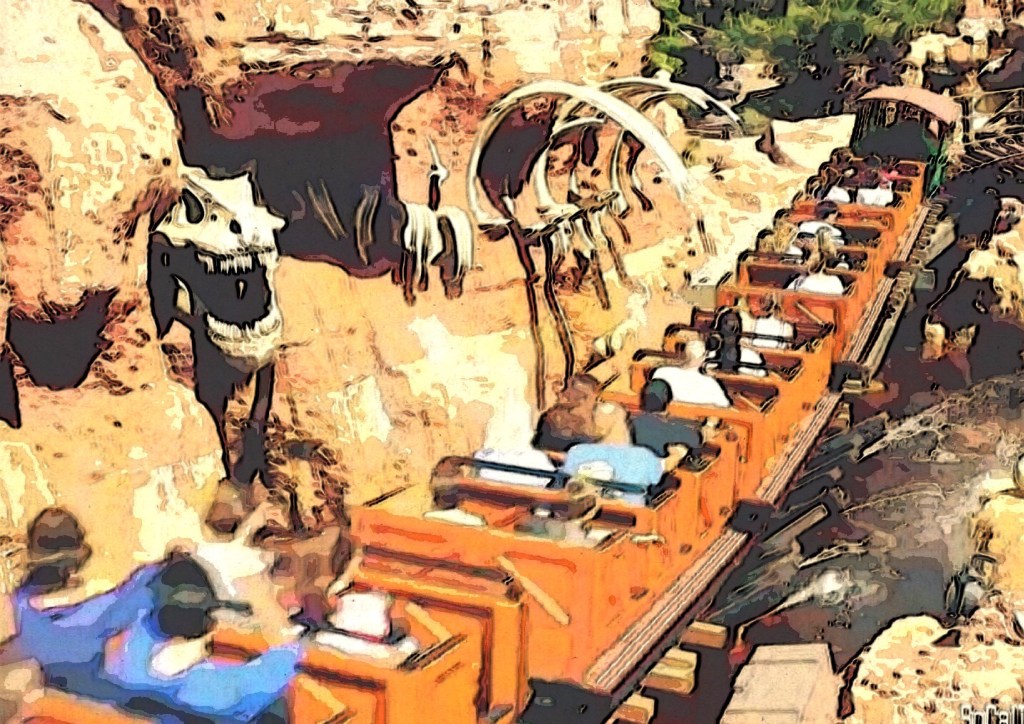
    To the reader: Living for the day and seizing the day are different concepts. Living for the day assumes no connection with days gone or days to come. Seizing the day treats the present as an opportunity for future construction. To be absorbed by ‘this day’ for its own sake is the fun park approach to life; the alternative, is a nature park relationship with time’s daily dose. In the fun park we have an apportioned amount of time to cram the day with pleasure; what’s not done will never be done. Tomorrow is the same day of rides repeated.

    To the poet: It’s from the nature park a poet learns not be concerned about tomorrow’s feast of words; we can not guess the menu. Tomorrow’s empty plate will fill; just as every other. The better care we take of today’s nature park the better will be tomorrow’s narrative. Today is tomorrow’s write of passage. Poetry thrives on adaptation to its current concerns… it can not graze on tomorrow’s grass; for that field is yet to grow.


    in the now In The Now
    Picture Source:
    http://youtu.be/GMtcDa_7NHU