Category: Uncategorized

  • Now and Then

    Now and Then

    Now and then, a stop-start
    Turn of phrase; periodic.
    Dash becomes a dart,
    Comfortably chaotic.
    Come and go, ebb and flow,
    A phase that’s episodic.
    Much the same as to and fro,
    Naturally melodic.
    Period, teaches us to wait;
    Pause and let things rest,
    Episode, helps us calculate
    the extent that we’ve progressed.
    . We manage flow with punctuation,
    . Then let it go with syncopation.

    © Tim Grace, 23 January 2011


    To the reader: Time, an infinite resource, so scarce of understanding; humanities worst invention. In the short term a niggling nuisance; impatient, full of expectation. In the long term, an ominous, foreboding presence that hangs heavy with anticipation. Understood in seconds or millennia, time resists the patient pause. Those who can manage time, craft it into shape and trick it into submission. They let the big hand turn, the little one stop; without notice … all of a sudden.

    To the poet: Possibly deliberate, this sonnet’s meter is chaotic. Lines are broken, punctuation is contrived; structures are stressed. It’s a poem that invites an editor’s stroke of pen. And yet, that’s the nature of time; a shapeless mess. Some’times’ we just have to make-do, draw upon what’s available and celebrate the compromise. The poem’s not perfect, but it’s of its time … rushed.


    now and then now and then


  • Inundated

    Inundated

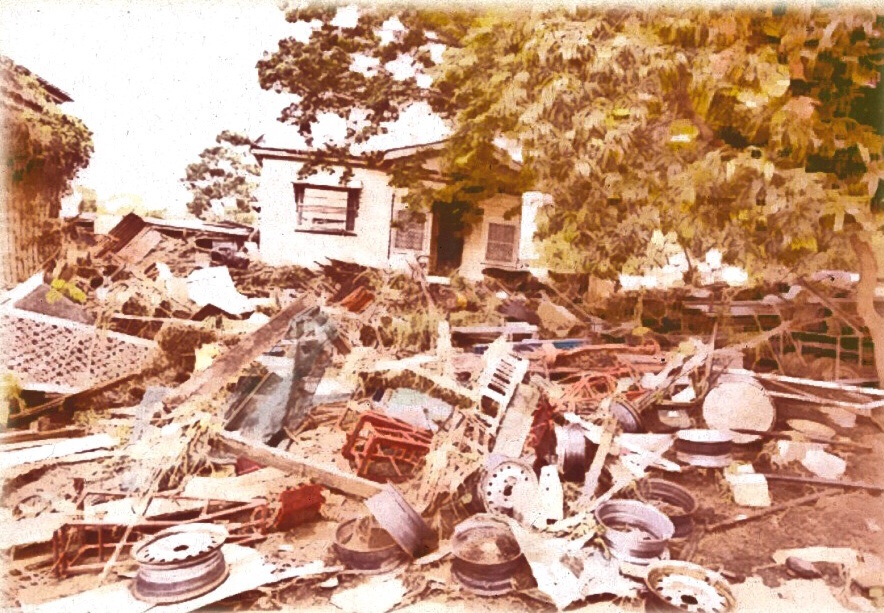
    Overwhelmed. Swamped by a deluge
    of cascading abundance.
    Engulfed; swallowed by a huge
    and raging expanse
    of turmoil. A torrent unleashed.
    Swollen by a backwash; pressing
    itself into spaces diminished
    of capacity. Structures stressing,
    crushed beyond identity. Ripped,
    flipped – agitated – broken debris.
    Strewn remains; a carcass stripped
    of shape … and what might be.
    . Sodden and soaked – saturated.
    . Clogged and choked – inundated.

    © Tim Grace, 16 January 2011


    To the reader: When enraged, the elements devour what lays before them; fire consumes and water engulfs. Flood victims are utterly inundated. The rising intrusion is unstoppable. The creeping thief, enters without welcome, invades every crevice; leaves behind a crime-scene of muddied mayhem. The forlorn victim, sodden and soaked, has no recompense; can expect no apology; the thief has come and gone… more than escaped, evaporated!

    To the poet: In this sonnet it was pleasing to arrive at a wash of words that flowed with singular effect. The flood of words were delivered through the media, describing the devastation of a summer flood in Queensland, Australia. Capturing the graphic vocabulary of an event is important in constructing a descriptive poem. Words, with particular nuances, speak through a sonnet. Words locate a poem as real. Words give the poet a licence to authentically narrate the scene; albeit from a distance.


    inundated inundated


  • Becomes Today

    Becomes Today

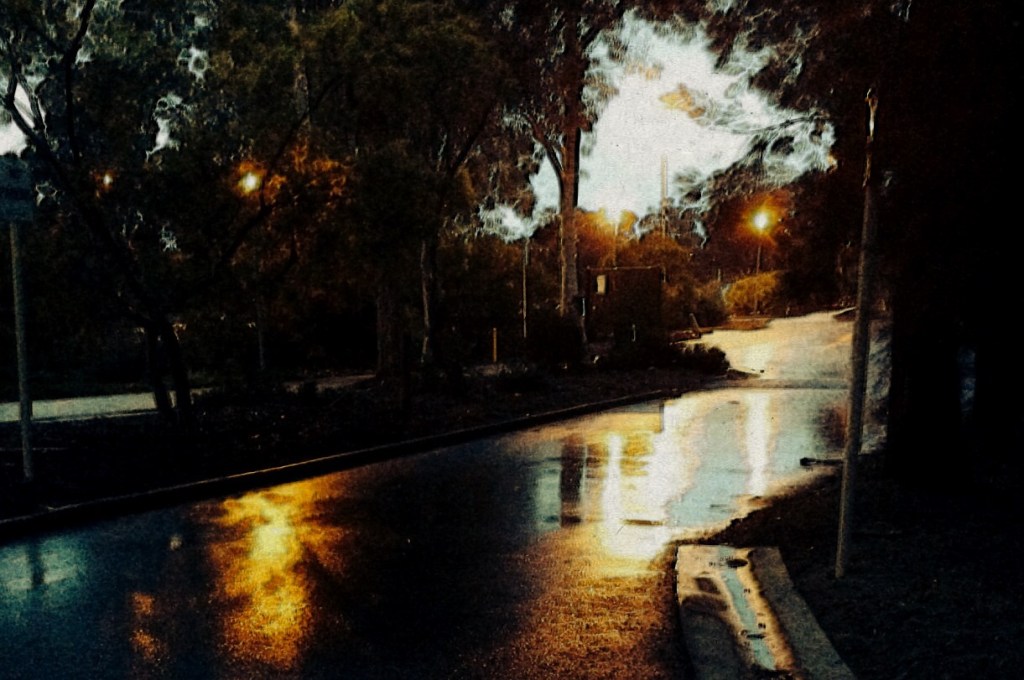
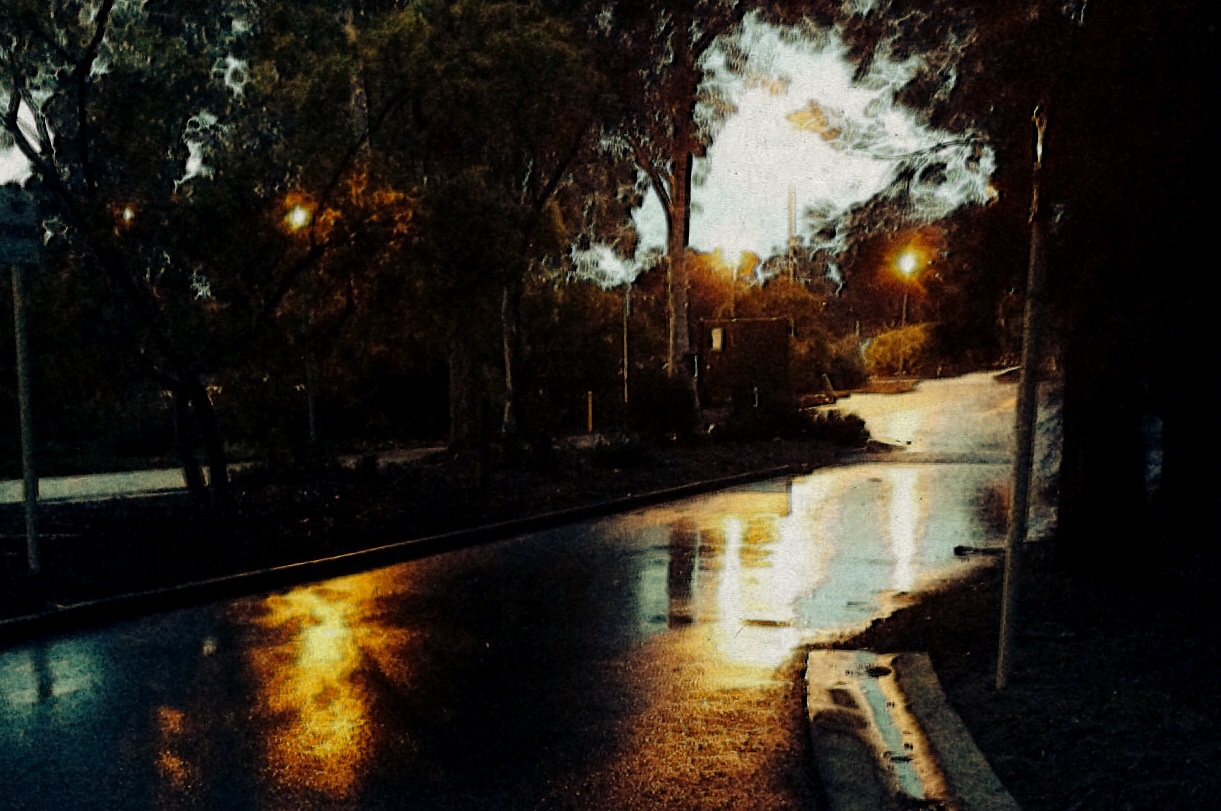
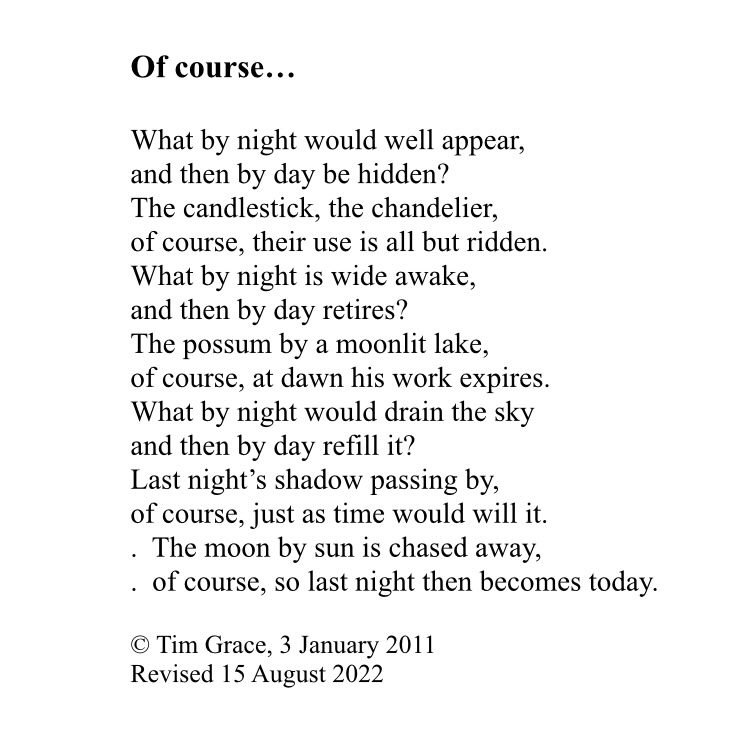
    What by night would seem adept,
    And then, by day become a blur?
    Last night’s shadows, over slept,
    Reluctantly they stir.
    What by night would well appear,
    And by day be all but hidden?
    The candlestick, the chandelier,
    Of use the two are ridden.
    What by night is wide awake,
    And then by day retires?
    The possum by a moonlit lake,
    With sun its scene expires.
    . The moon by sun is chased away,
    . And so last night becomes today.

    © Tim Grace, 3 January 2011


    To the reader: We live in a riddle; a reasonable muddle. A right answer is often so lame with correctness it needs a little adjustment. Some creative correction is what makes good things better; and better things great. From bland to grand takes an obscure course. At arrival, having passed through the riddle, a good answer is adorned with the crazy sparkle of unexpected discovery… aha!

    To the poet: The familiar form of the riddle, with its question/answer format, frames this sonnet. The phrase “What by night?” established the seek and find enquiry. Two problems followed. Firstly, contrivance. The thought of ‘what happened over-night while I was sleeping?’ is easily outstretched; laboured to a tedious length. Secondly, miscellany. There’s little achievement in reaching into a grab-bag of ideas. Lucky-dips may write lists but not poems. What rescued this sonnet is its final couplet… an answer worthy of the question.


    becomes today becomes today


  • All but done

    All but done

    In the end, when all is finished,
    And the task is all but done,
    When the burden is diminished,
    To what it was before begun.
    It’s then that we can savour,
    The taste of sweet success,
    Let linger long the flavour,
    And with confidence impress,
    Be not bothered by the critic,
    With his crooked rule of thumb,
    Be not worried by the cynic.
    With his surface level scum.
    . In the end, the real end, all things being equal,
    . What’s done is done … so deliver not the sequel.

    © Tim Grace, 27 December 2010


    To the reader: We begin, often with an end in mind. At end, we arrive at a moment of completeness. Completeness delivers finality and/or conclusion; possibly both. Conclusive moments ought to be rich with satisfaction and deserving of hiatus; time for a break. A self-satisfied pause should offer some protection from those who would wish to offer judgement… the artist steps back from the canvas.

    To the poet: No doubt there was a particular incident that created my need to express frustration with an ending too abruptly injected with criticism. Get used to that. Responses to art are pretty quick to condense and find expression; the first impression says it all. The trick, I find, is don’t declare the ending too soon. Prepare the finish carefully.


    all but done all but done


  • Intensity

    Intensity

    Is intensity a frequency
    Scaled to a pitch?
    Has it got to do with density
    Is it triggered by a switch?
    Is the metaphor electrical,
    So the force is but a buzz,
    Maybe that’s too technical
    And far from what it does.
    Is it chemistry, that holds the key
    To bundling up our nerves?
    What’s the source of energy
    That taps in to reserves?
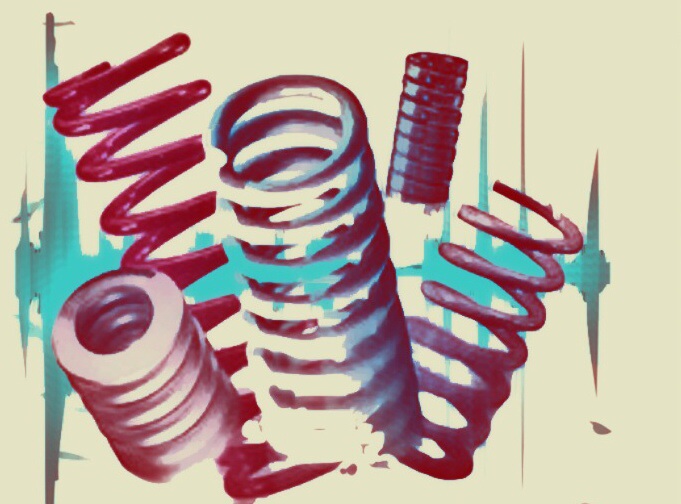
    . Things condense, and things increase,
    . As things in waves, and springs release.

    © Tim Grace, 18 December 2010


    To the reader: Pulling apart an idea, stripping it of meaning, testing its logic; all the stuff of lexical unpacking. It’s what’s done to clarify understanding and guide debate. For the teenage mind, with its ever expanding glossary, the discovery of wordplay is an absorbing pass-time; as driven by dark matter … it has a pervasive attraction.

    To the poet: Not a perfect sonnet, but snippets of it work. The word intensity has a nice syllabic percussion. The self-conscious question of ‘is it?’ (drawn from the letters of intensity) resounds. As a half-posed question ‘is it?’ deserves no answer and consequently receives a series of tentative possibilities. Interesting that the definitive ‘it’ is resolved by ‘things’ in the last couplet.


    intensity intensity


  • Square Reminder

    Square Reminder

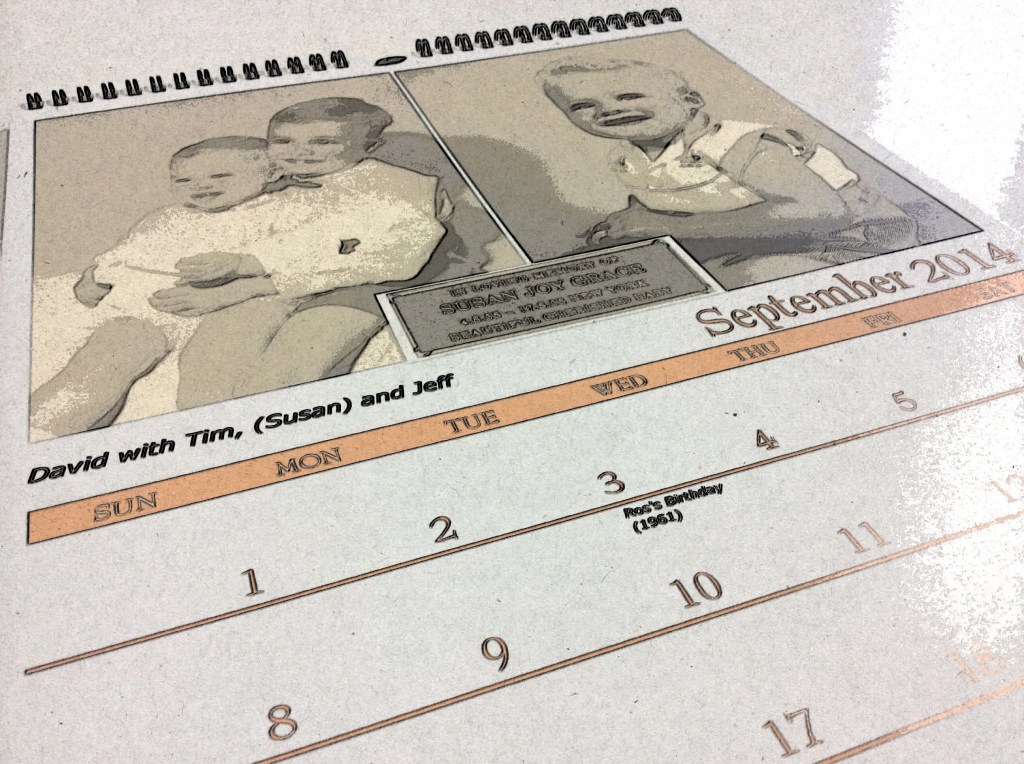
    A calendar, twelve pages long,
    A square reminder of yesteryear,
    Neither script nor song,
    It’s a sketch on a thin veneer.
    Snippets on a month long frame,
    Dates confirmed, appointments missed,
    It’s payday, it’s an insurance claim,
    It’s see the doctor, the vet, the therapist.
    A dozen pages in a sequence of sorts,
    A record of ‘there we go’ and ‘here we come’
    A date from which we anchor thoughts,
    It’s the come again compendium.
    . The hatchings, the matchings, the trouble and strife,
    . The meetings, the greetings, that chronicle life.

    © Tim Grace, 16 December 2010


    To the reader: It’s no mere coincidence that this sonnet was written in mid-December. The Southern Hemisphere’s end-of-year mayhem is compounded by heat and the celebration of Christmas… with not a snowflake in sight. Rather than sliding gracefully from one year to the next we transition with a thud; the continental plates collide, the ground swells, and something has to give. The break comes, and on we go … year after year.

    To the poet: A rapid succession, a concertina; a looming waterfall. This sonnet attempts to capture the compression of time as it careers to a halt. Slow at first, the opening stanza outlines the design of a calendar; beyond the start, the pace of description builds and the phrases shorten. (As an aside I like the rhyming of this sonnet).


    square reminder square reminder