Category: Events

  • Every Year

    Every Year

    Every year invents its own importance;
    inflates its credentials, and over-toasts
    its claim to ‘best of’ status. In a glance
    it’s gone: hot air and a bag full of boasts!
    Last year, as with others past, had its share
    of miserable moments. Worthy of note
    was pestilence – body bags of despair;
    climate change – skeptics on a sinking boat;
    intolerance – human spirit oppressed;
    calamity – with its death toll rising;
    corruption – known to those who self-invest;
    bloodshed – battles over socialising.
    . Take forward, good hope and resolution.
    . Leave behind, old rope and retribution.

    © Tim Grace, 1 January 2015


    To the reader: The hype of New Year celebrations verges on the vulgar. As one year becomes the next we mark the moment with pyromanic fervour. In this explosive instant we give birth to resolution. With fireworks as pedigree, is there any wonder the life-expectancy of new commitments is but a short burst of enthusiasm; followed by a quick decay of colour – resolved as a cloud of thin smoke. When hype replaces hope take care.

    To the poet: This is the last of my pre-cooked sonnet commentaries. On the first day of January 2015 I resolved to spend a year editing my collection. Without pause, I was running the risk of wasting a good harvest. That pile of “one more” sonnets was stacking-up; consuming any sense of individual character. As of today, I have no more finished sonnets … through sustained resolution, I have beaten the pile!

    Every Year
    Picture Source:
    (http://youtu.be/uMVHTAWdo1o)
  • What if then?

    What if then?

    ‘If’ is temperamental and hardly worth
    the effort it requires to hold it still.
    ‘Then’ is non-committal, swings back’n’forth
    then comes, then goes, then pendulums at will.
    In separate states ‘they’ push’n’pull apart;
    good order suffers – everyone’s confused.
    ‘Then’ makes a mockery of a clean start.
    ‘If’ takes liberties (not to be excused).
    What if/then in union these two are brought
    to heel; made to see reason; in a sense?
    What if/then, as bridled, these two are taught
    to harness the logic of consequence?
    . Then good reason will support a good guess;
    . therefore, what follows will also impress.

    © Tim Grace, 10 January 2014


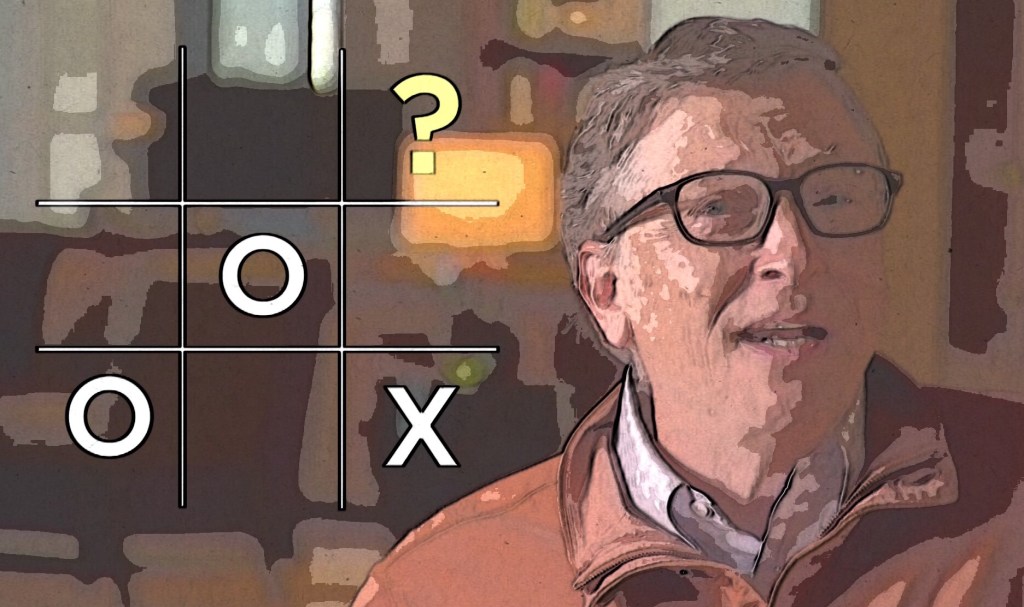
    To the reader: If/then logic is a basic tool of computer programmers. Coded scripts embed consequential actions that take place according to if/then decision-making processes. Evaluators use if/then sequences to unravel cause and effect relationships. And, our socio-cultural institutions apply If/then statements to establish and reinforce behavioural codes of conduct; law and order. Without a logical connection between ‘if’ and ‘then’ the two stand at odds and create confusion.

    To the poet: The sonnet relies on a sequence of nested references that by association resonate with a reader’s interest. To engage curiosity, a loose level of ambiguity creates intrigue; and to add a twist, many sonnets feature what is known as a volta. The volta provides a turning point at which the direction of the poem changes; moves towards some form of resolution. In this sonnet the volta consumes the final quatrain; setting up space for the answer which comes in the final couplet.


    What if then?
    What if then?
    Picture Source:
    http://youtu.be/m2Ux2PnJe6E
  • Elliptical Stance

    Elliptical Stance

    An elliptical stance; a solstice night;
    remnants of Autumn; blanket of leaves;
    haiku syllables; captured sound and sight;
    severe frost; white footsteps; icicled eaves.
    Snippets, half-formed, in the absence of heat;
    cold-fusion; liquid air; saturated;
    frozen to a frame; cameos compete.
    A fragile balance, equally weighted;
    naked trees strike a pose in silhouette;
    ghostly shadows dance to a druid’s drum;
    the pendulum must pause to pirouette;
    for that which passes tells of that to come.
    . That which tilters must surrender to time;
    . so be the season, the reason and rhyme.

    © Tim Grace, 22 June 2013


    To the reader: In temperate zones seasons swing with a contrast of moods. With reduced hours, Winter days make-do with what little warmth the sun has to offer. Long-nights, without a store of heat, settle quickly into a frigid chill. In the cold depths of night a frozen moment rearranges water particles into crystals of ice. The dark-theatre is austere, stripped of animation; made still.

    To the poet: A lifeless sonnet, descriptive of a cold suburban landscape. As much imagined as it is observed. Small snippets of observation, transitions, staggered frames; brittle connections. The relationship of water and ice in-part describes the sonnet’s internal structure as crystallised. There’s a fractured feel to the poem, which at any moment could shatter in to parts.


    Elliptical Stance
    Elliptical Stance
    Picture Source:
    http://youtu.be/a-N-DGM2XIU
  • a Priestley sum

    a Priestley sum

    What we know of air is a Priestley sum;
    makes an experimental masterpiece.
    Through simple observation so we come
    to learn from nature; wonders shall not cease:
    that air might be exhausted then restored;
    made stale and then repaired; broken then fixed.
    Such are the problems science has explored,
    mulled over, pondered on, and stood betwixt.
    How so that the planet breathes, breath for breath,
    exchanging one gas for another’s use?
    How so that nature freshens the smell of death,
    converts putrid soup into perfumed juice?
    . Through unity all things are so divined.
    . Make nothing separate as should be combined.

    © Tim Grace, 25 November 2012


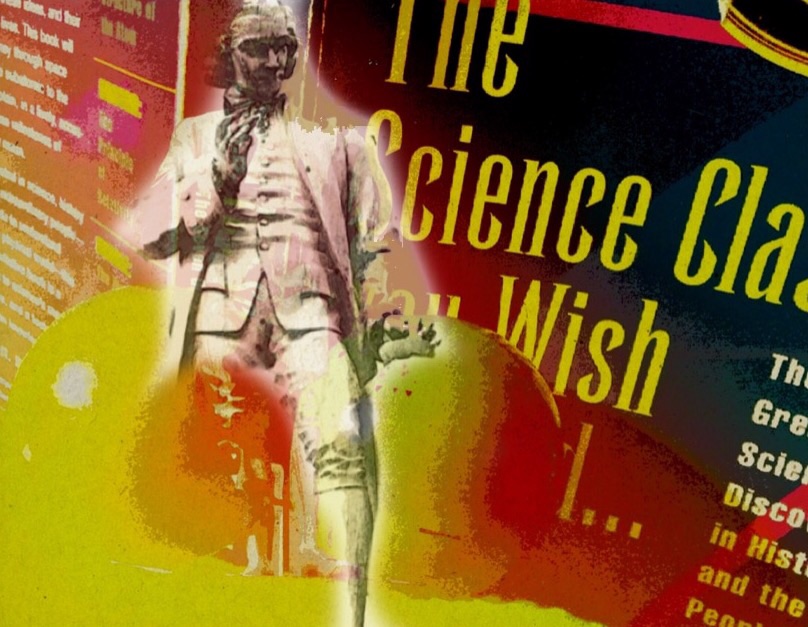
    To the reader: Throughout life, Joseph Priestly (1733-1804) travelled an awkward, and often uncomfortable, path of self-discovery. A precocious child who absorbed knowledge with sponge-like thirst. A dissenting adult who, through deep faith, sought to unify humanity’s purposeful existence. A revered polymath constricted by dogma and intolerance; a disgruntled citizen. In sum, a brave soul who introduced the world to the deity of science and rational belief.

    To the poet: Joseph Priestly was a great writer; a highly respected grammarian, alas it seems not a poet. My exposure to his masterful prosaic-skill was through his writing on the investigation of air; this kid knew how to write-up an experiment. The narrative style is intoxicating; refined and rugged… phlogisticated. The scientific brain exposed for his peers to pursue; and for all else to admire. Surely another canditate for membership of ‘The Science Class You Wish You Had…


    a Priestley sum
    a Priestley sum
    Picture Source 1:
    http://commons.m.wikimedia.org/wiki/File:Chamberlain_Square_Statue_Priestley.jpg
    Picture Source 2: http://www.amazon.com/Science-Class-You-Wish-Had/dp/0399523138/ref=sr_1_1?ie=UTF8&s=books&qid=1260482695&sr=1-1
  • Happy New Year

    Happy New Year

    Standing on the other side of last year.
    I’m yet to move, or even lightly tread
    upon the surface of a new frontier;
    I’m yet to commit to the days ahead.
    I’m debating the size of the first stride,
    contemplating its gravity, its weight
    and direction. I am yet to decide
    upon its meaning – and there’s the debate;
    there’s the question, that has me standing still:
    am I to leap forward without reserve,
    throw caution to the wind, let milk spill,
    and in its flow, let go this timid nerve?
    . The first step is steeped with expectation,
    . bound to itself – gripped with hesitation.

    © Tim Grace, 1 January 2012


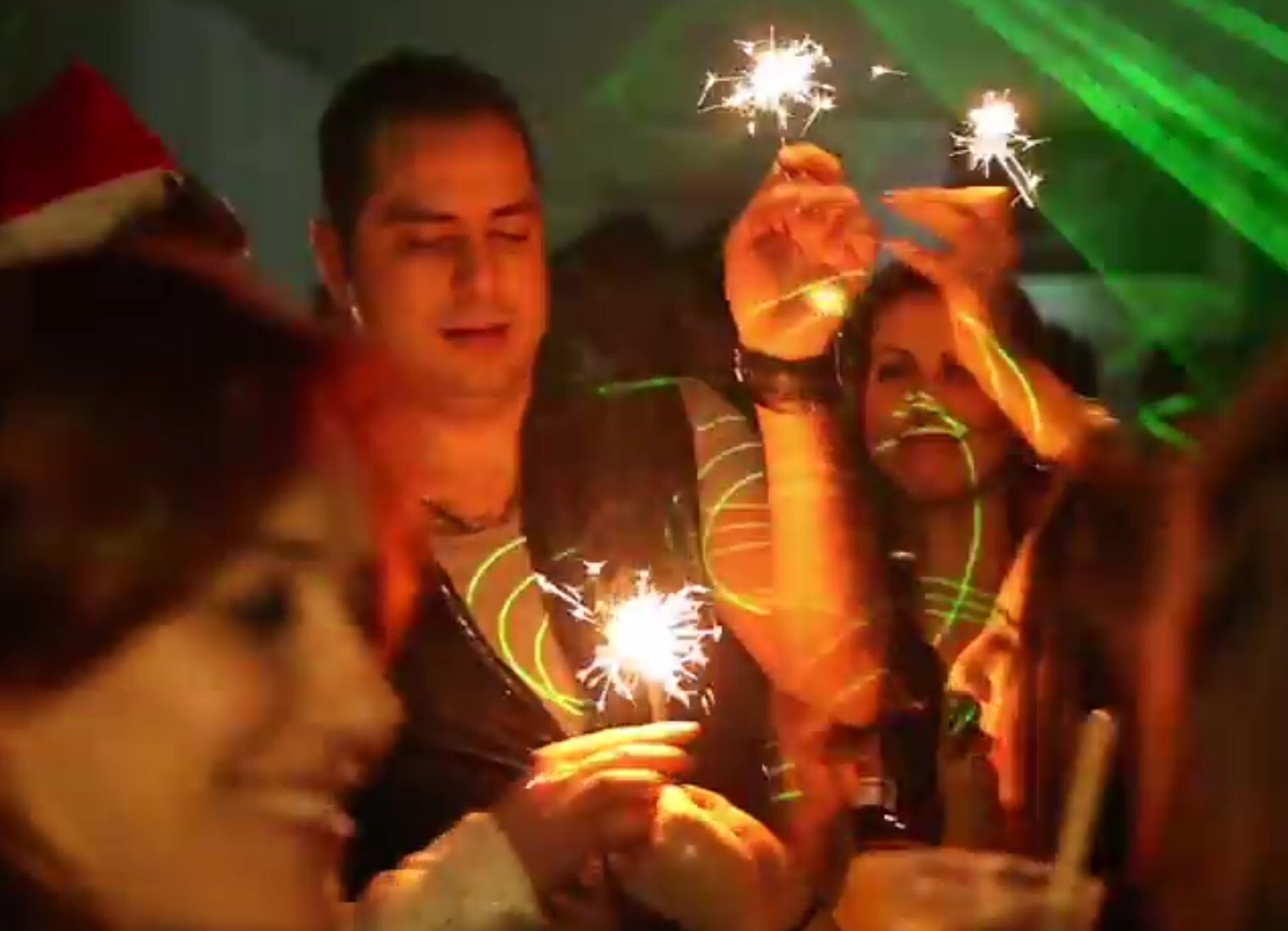
    To the reader: Happy New Year – reassurance really – in the face of hesitant acceptance. We charge our glasses, count down the seconds and gaze skyward; fireworks outshine the brightest constellations – a new year is born! As decreed, it’s with resolve we all step forth, each with our own bundle of wishes and aspirations for the coming year. But old habits die hard… too soon this fresh stride becomes last year’s steady gait; and the stroll through life continues its wanderous way!

    To the poet: Playing with words is the joy of poetry. Interlocking syntax and semantics. Wrestling word against word, phrase against phrase until a truesful fit is found; one surrenders its meaning the other its virtue; tension and abeyance ever present. The fight can be brutal (not brittle) always honest; best of all bloody and bruising. A good poem reflects the good fight; nothing comes easy so it’s best we enjoy the struggle.


    happy new year
    http://youtu.be/ayA95XsbJeU

    Photo Source: http://youtu.be/ayA95XsbJeU


  • Now Complete

    Now Complete

    This year is now complete, finished, exposed
    to the reflective gaze of history’s view.
    This year’s open doors have now been closed:
    shut tight, sealed off, and bid farewell; adieu…
    In the finish of a year we rejoice.
    It’s fitting we take a moment to pause.
    It’s OK too, that with some pride we voice
    our achievements and tally-up our scores…
    And so ends another year; outnumbered,
    full-sum spent; used but not digested;
    completed with a cheer; disencumbered
    of journal’s jot – evermore let rested…
    . This year is done, finished; so too its might.
    . You don’t tie an new string to last year’s kite.

    Tim Grace, 28 December 2011


    To the reader: Circles circling circles; and so, years come and go – the familiar pattern repeats. Our spiralling experience of time, as repetition, turns days into days, and weeks into weeks. Without the cycling-nature of all things revolving we would have no opportunity or need to learn from experience. Without repetition the past has no relevance. When we are lost we travel in circles … spiralling forth; making use of our past.

    To the poet: “Fly yourself a brand new kite” What was the poet thinking? “With one year’s completion comes certainty; nothing can be added or subtracted… the year’s experience is fully described; saturated. For just a short while deep reflection is encouraged. In losing its current status ‘last year’ is now open to interpretation… and the rest is history”. Happy New Year!


    now complete now complete