Tag: Poetry

  • Elliptical Stance

    Elliptical Stance

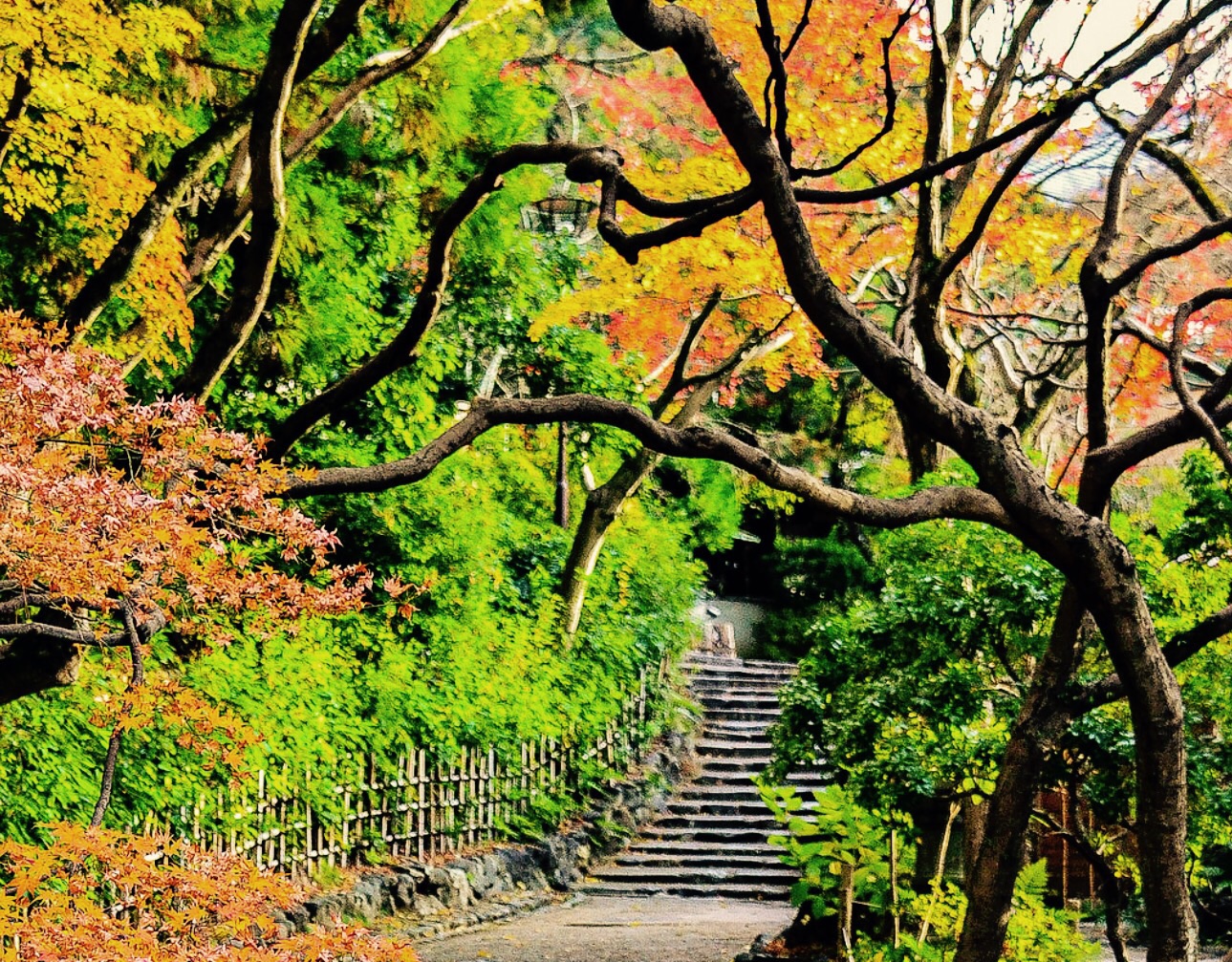
    An elliptical stance; a solstice night;
    remnants of Autumn; blanket of leaves;
    haiku syllables; captured sound and sight;
    severe frost; white footsteps; icicled eaves.
    Snippets, half-formed, in the absence of heat;
    cold-fusion; liquid air; saturated;
    frozen to a frame; cameos compete.
    A fragile balance, equally weighted;
    naked trees strike a pose in silhouette;
    ghostly shadows dance to a druid’s drum;
    the pendulum must pause to pirouette;
    for that which passes tells of that to come.
    . That which tilters must surrender to time;
    . so be the season, the reason and rhyme.

    © Tim Grace, 22 June 2013


    To the reader: In temperate zones seasons swing with a contrast of moods. With reduced hours, Winter days make-do with what little warmth the sun has to offer. Long-nights, without a store of heat, settle quickly into a frigid chill. In the cold depths of night a frozen moment rearranges water particles into crystals of ice. The dark-theatre is austere, stripped of animation; made still.

    To the poet: A lifeless sonnet, descriptive of a cold suburban landscape. As much imagined as it is observed. Small snippets of observation, transitions, staggered frames; brittle connections. The relationship of water and ice in-part describes the sonnet’s internal structure as crystallised. There’s a fractured feel to the poem, which at any moment could shatter in to parts.


    Elliptical Stance
    Elliptical Stance
    Picture Source:
    http://youtu.be/a-N-DGM2XIU
  • Beautiology

    Beautiology

    What business has science in beauty’s art?
    Is beauty to be studied, laid out bear,
    exposed, analysed, to be pulled apart;
    interrogated crudely, hair by hair?
    I have heard ‘beauty’ many times expressed:
    “… as more than a sum of parts considered.”
    I’ve heard ‘beauty’ in ratios addressed:
    “…nothing more than balance, so configured.”
    Beauty’s been the subject of cruel compare,
    the victim of insult; likened to tart.
    Beauty’s been the envy of those who care
    more for head and hand than they do for heart.
    . Beautiology – a science absurd,
    . let bells and folly tell the truth preferred.

    © Tim Grace, 16 June 2013


    To the reader: The probing eye of science has long had its sights on beauty. For thousands of years the mother of science has been measuring beauty’s ratio in an attempt to identify ‘that’ alluring attraction. Beauty’s design can be artfully mimicked; incorporated into works of architecture and landscape; appropriated into fashion and ornamental crafts. Beauty, if it must be measured, reveals effortless carriage of its own perfection… a natural effect.

    To the poet: Unpacked, this sonnet has some interesting design features. The three stanzas are quite different in structure but stand side-by-side in logical agreement. As three debaters, they present their case in defence of beauty’s natural stance. The first stanza questions intent, the second speaks its doubt, and the third interrogates the motive; of what the final couplet calls ‘beautiology’. All in all a well rounded debate.


    Beautiology Beautiology
    Picture Source:
    https://farm9.staticflickr.com/8698/16830403642_3a8bd6c434_h.jpg
  • Monarch’s Nurse

    Monarch’s Nurse

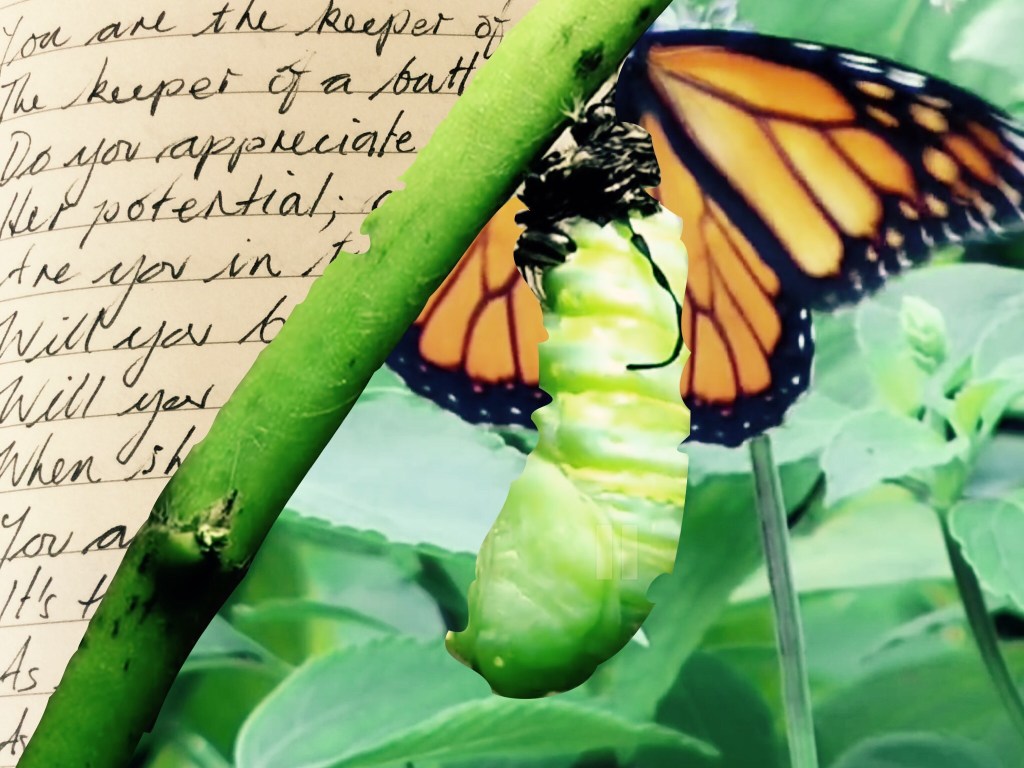
    You are the keeper of a chrysalis.
    The holder of a butterfly in wait.
    Do you appreciate her emphasis;
    sensitivities; condition of her state?
    Are you in touch with her proclivities?
    Are you conscious of her fluttering?
    Do you attend to her necessities?
    And, will you offer her your nurturing?
    You are the hand-maiden, the Monarch’s nurse,
    her companion; attentively involved:
    as she ponders… as opener of her purse.
    as she shudders… as closure is resolved.
    . You are the hand-maiden, the Monarch’s nurse;
    . holder of pleasures, and opener of purse.

    © Tim Grace, 8 June 2013


    To the reader: Butterflies are beautiful insects. Through stages they reach a climax of interest and intensity. The chrysalis represents a middle-stage of development when the caterpillar has pupated into a protective tissue awaiting release into its adult form. The natural wonder of an opening cocoon represents an exposed stage of life; sensitive and vulnerable. With patience and nature’s encouragement the butterfly emerges; and so completes its resolution.

    To the poet: Metamorphosis. Between two stages, the chrysalis assumes a vulnerable condition; a position of suggestive anticipation. And that’s the art of poetry. Between two ideas there’s room for emergent play. Words, by association, influence interpretation; and so, meaning is subtlely adjusted. The level of cryptic subterfuge is a matter of choice; too subtle and the game is lost.


    Monarch's Nurse
    Monarch’s Nurse
    Picture Source:
    http://youtu.be/ocWgSgMGxOc
  • Seven Wells

    Seven Wells

    I’ve sapped this scene of all there is to write;
    nothing more to draw from its sketchy frame.
    Anything left to say is said in spite
    of inspiration; lyric’s lilt is lame.
    Woman in the corner shuffles her stuff,
    skuffles by my table, and then she stops:
    “Oh, you’re a poet” she says. Sure enough
    she wants to chat, she hovers, then she props.
    Her life’s story starts with George: “That Bastard”
    who left her in ’89; battered wife
    left to pick up the pieces, a discard
    who’s deal it is to share – trouble and strife.
    . Rhonda Sewell – the woman of seven wells.
    . Well connected to Bradman – so she tells.

    © Tim Grace, 18 May 2013


    To the reader: With trepidation I engaged with Rhonda. She had broken my creative bubble and had entered my preciously guarded meditative zone. She was not one to regard my space as sacrosanct. Disarmed, I surrendered to her nomadic narrative. As her story unfolded it became clear she was in transit. Rhonda rode the Australian train system sharing stories with strangers; coast to coast she lived her own anthology.

    To the poet: Check out “Travellers by Rail” where long-time traveller Rhonda Sewell states: “I love the SunLander because you can buy bacon and eggs for breakfast on it… you can’t get that on a plane. And the only thing you can see on a plane is the bloody clouds” http://www.railpage.com.au/news/article-4325 Need the poet say anymore? I think not.


    Seven Wells Seven Wells
    Picture Source:
    http://www.railpage.com.au/gallery?image=29140
  • No Better Stage

    No Better Stage

    From where I sit, I watch a public stage;
    a cast of shadows with seasonal script.
    Impromptu cameos that shall not age;
    characters unrehearsed and unequipped.
    A festival of snippets with short parts;
    segmental sentences: subjects with verb.
    Animated motion that stops and starts
    with poignant pause that says: ‘do not disturb’.
    All this against a backdrop, a theatre
    of railings and stairs, overhanging trees,
    falling leaves, broken bench, urban litter;
    props, stage props; a scene full of properties.
    . No better stage than that that has my gaze.
    . No better tale than that before me plays.

    © Tim Grace, 12 May 2013


    To the reader: “All the world’s a stage …” [from Shakespeare’s As You Like It (Act II, Scene VII)] is a soliloquy that lays-out the seven stages of life; in not the fondest of terms. At each stage there seems discontent, a lament of one sort or another, based upon a jaundiced world-view. At every st/age we do struggle, we do grizzle, and we do bemoan our circumstances… but in sum, most of us can find a moment of reflection that retrieves a fond memory … I for one enjoyed 3, 13, 23, 33, 43, 53 and life goes on!

    To the poet: “Life’s but a walking shadow…” [from Shakespeare’s Macbeth (Act V, Scene V)] draws similar conclusion; announcing “a poor player, that struts and frets his hour upon the stage…” will tell a tale the signifies nothing. And so forlorn, this poet observes that same stage with a view to catching the occasional glimpse of happiness, a rare moment of idle pleasure, alongside an illusive act of compassion. Not so invisible… you just have to look!


    No Better Stage
    No Better Stage
  • Social Offence

    Social Offence

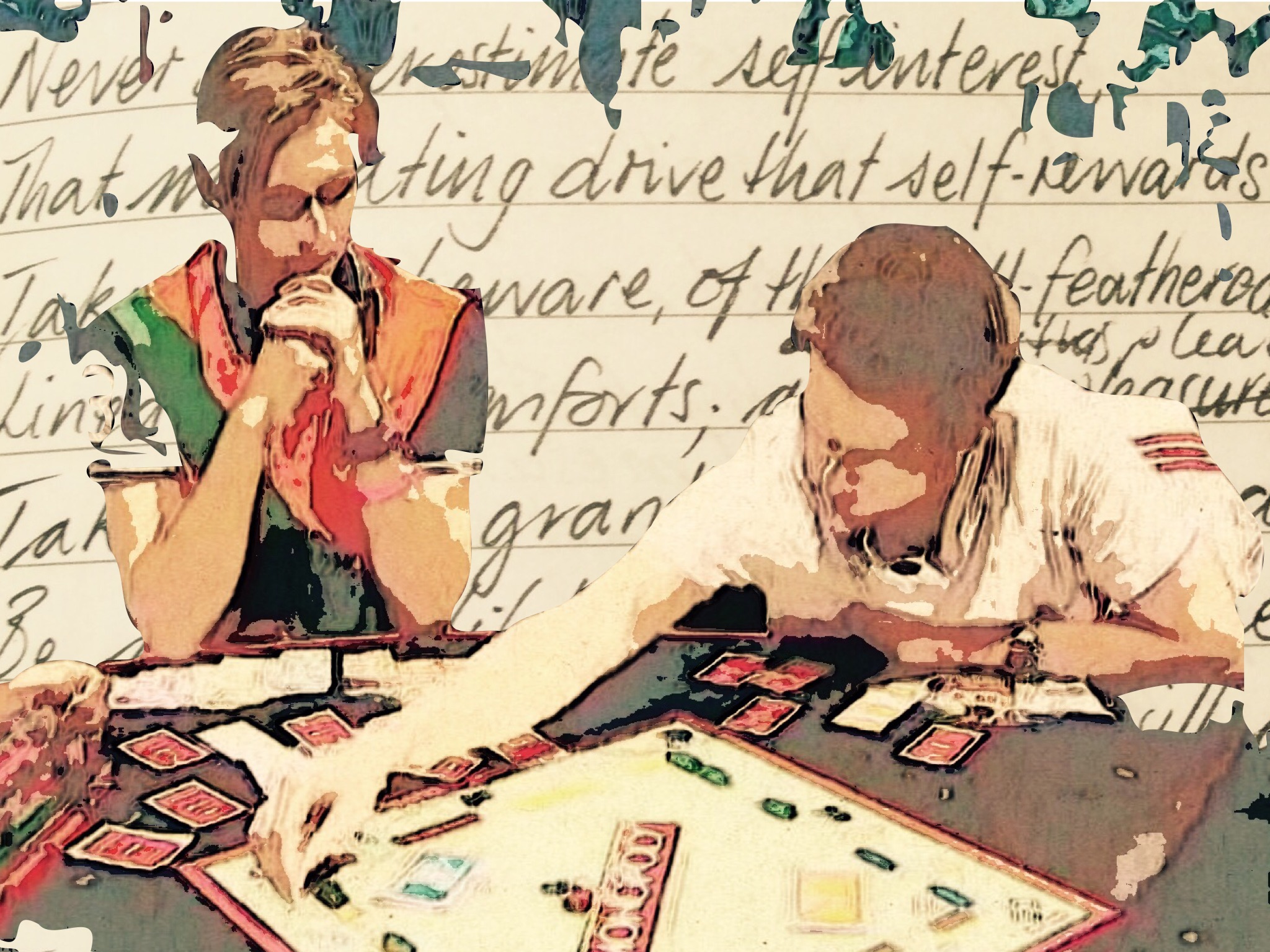
    Never under-estimate self-interest:
    a motivating drive that self-rewards.
    Take note, observe the well-feathered nest,
    lined full of comforts; as pleasure affords.
    Don’t take for granted self-interest’s desire;
    don’t be gullible or slow to your feet;
    don’t be surprised by what Self will acquire;
    don’t be the lender who has no receipt.
    Take heed, be ready, keep track of the score.
    Self seeks advantage, full measures the gain.
    Take nothing for granted, rest not assure,
    Self seeks indulgence; treats else with disdain.
    . Indulgence of self at others’ expense.
    . A cruel investment … a social offence.

    © Tim Grace, 4 May 2013


    To the reader: Possession brings them pleasure and reassurance. Put crudely, their conniving motivation is greed. They are the players who want more than is their fare share; cunning manipulators that contrive a self-serving solution. The psychology of greed would find its origins in an unresolved, deep-seated, sense of lacking… ‘poor me’ seeking restitution; ‘poor me’ retrieving what I’m owed.

    To the poet: In the writing of a poem like this there has to be some emotional investment in its authorship. In its composition, it has to express annoyance and disappointment; some skin in the game. As I put pen to paper, I draw upon genuine feelings of frustration to validate my argument, to test its impact and authenticity. In its reading, I need to recognise those same unclaimed investments… the emotion must be raw and real.


    Social Offence
    Social Offence
    Picture Source:
    http://youtu.be/RZwmPBP2JHI