Tag: People

  • Life Long Journey

    Life Long Journey

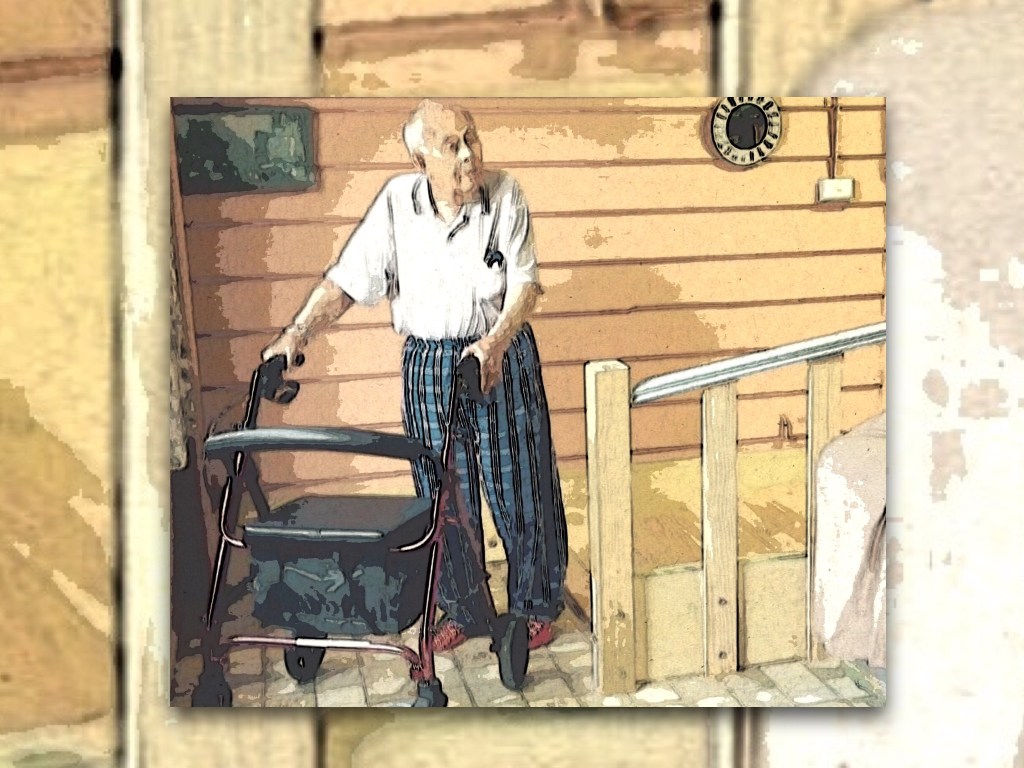
    They tell me the life-long journey is done.
    Apparently, there’s been a change of course.
    The argument goes “that old race is run…
    that over-trodden track has lost its force.”
    Seems to me, it’s the traveller’s gone astray.
    It’s not the map that has thrown its compass
    to the four winds; and so, must find its way.
    It’s the runner; stuck in a deep crevasse:
    he’s become the point of question, the cause
    to pause, to hesitate, to contemplate:
    ‘position and condition’ on foreign shores;
    he threw aside the guide and tested fate.
    . Old maps are not for the lost to squander,
    . they offer much for the lost to ponder.

    © Tim Grace, 3 June 2012


    To the reader: Throughout life we adapt to changing circumstances. Those who stop adapting are least likely to survive the ravages of time. Thus, the life-long journey is a continuous construction of self; one that represents our environmental relationships. The key to survival is adaptation. Our adaptive capacities (knowledge, skills and understandings) are transmitted through interaction with others. There is no end to this journey, forever mapped to a lust for learning.

    To the poet: As a counter-argument this sonnet doesn’t quite reach the status of polemic. It does however mount a good case for life-long learning as mapped to a solid premise. The poetical challenge was to intersperse some geographical terrain into the text; the geographical context. The final handwritten version (3 June 2012) of this poem struggled to find its way; a digital rescue (2 February 2015) was applied a year or two down the track.
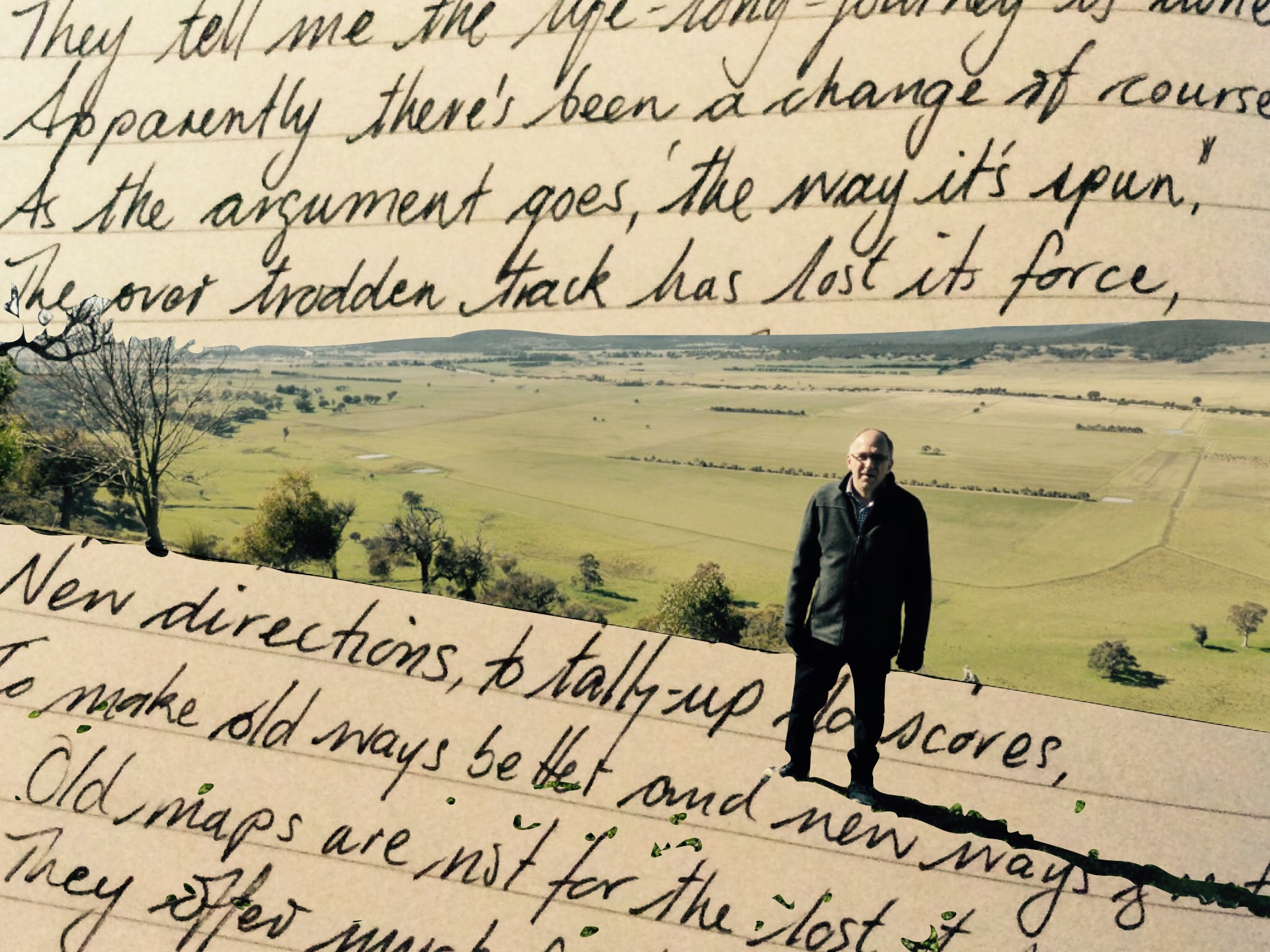


    life long journey life long journey


  • And as for me…

    And as for me…

    Pelicans drift with the current; sunrise
    scatters its golden flecks across the bay.
    Geese in formation navigate the skies;
    and as for me … I contemplate the day.
    Charter-boats tug on moorings; a grey cloud
    muscles out all hope of sunny weather;
    meanwhile, two men with coffees think aloud;
    morning thoughts let loose of last night’s tether;
    and as for me … I watch gulls squabbling
    over real-estate, scavenging the scraps
    of a left over meal; a man hobbling
    his way to somewhere … happiness perhaps?
    . And as for me … I sit invisible;
    . pondering what is and isn’t isable.

    © Tim Grace, 27 May 2012


    To the reader: Morning contemplation is a rare commodity; a pleasure I’ve learned to appreciate over recent years. My solitary writing routine is just one of many day-break habits. For the socially dependent, they gather to reignite humanity’s embered coals. For the physically addicted, they re-cycle themselves with a daily grind (of coffee). The likes of me … we just watch … for there’s much to see in a new day dawning.

    To the poet: … at my happiest watching words script themselves into poetry before my eyes. Some poems appear as animated scenery; translucent layers of activity, drifting planes of intermingled celluloid. The editing room converts the sketch into scribbles; sometimes with a cross-fade, sometimes with a dissolve. As a morning observation, it’s best the poem reflects rising disposition… dawning realism.


    And as for me...
    And as for me…
    Picture Source:
    http://youtu.be/rtTBq9J3fcg


  • A Fallen Thought

    A Fallen Thought

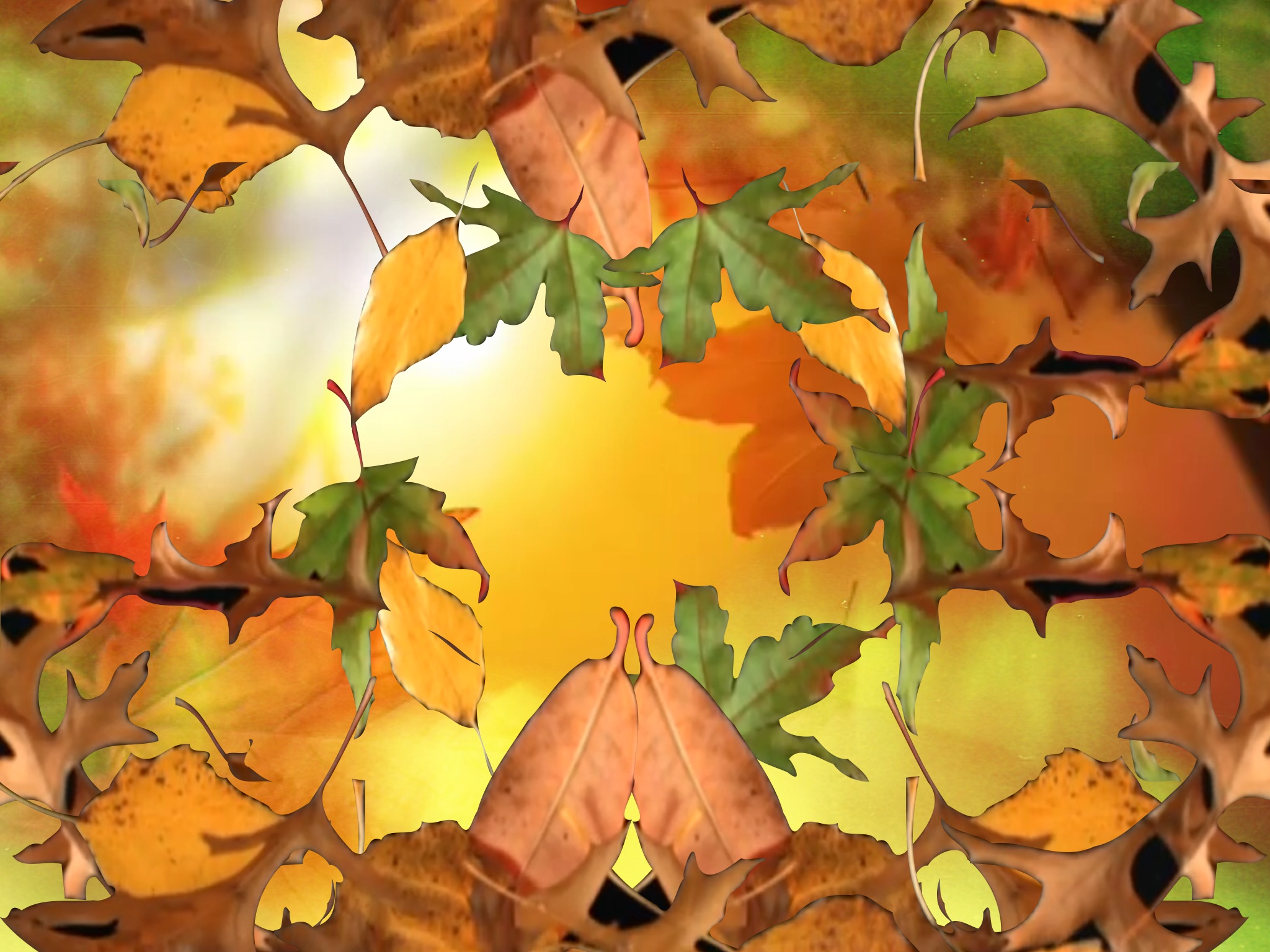
    I have swept the path of last Summer’s leaves;
    it’s late April, so prepare the parade.
    Salute the fallen; sombre Autumn heaves
    a sigh; recalls the cover of green shade.
    Now, on my shoulder rests a golden leaf.
    What am I to do? Brush it to the ground?
    How do I interpret this small motif:
    as commemorative fall; from tree unbound?
    Between my shoulder and the ground there’s space,
    just enough space, to think about good cause.
    There’s time, just enough time, to put in place
    a thought… a moment for reflective pause.
    . In fluttering leaves there’s a story told,
    . it’s a narrative, that turns green to gold.

    © Tim Grace, 23 April 2012


    To the reader: In temperate Australia, the autumnal month of April is adorned with commemorative symbolism. The imagery includes bravery and mateship woven into wreathes of green and gold. As the leaves of Summer flutter softly to the ground, there’s a sombre passage of reflection; space and time to remember the fallen before winter turns the foliage to mush. Those who fought for peace, now rest in peace… lest we forget.

    To the poet: A nice sonnet that turns a small personal incident into something more socially significant; and that’s the point of poetry. Through the obvious we discover truth; between gaps we discover opportunity; from now we interpret the moment – but only if we take notice. As poets, we need to observe what is and isn’t happening; for between these occurrences speaks possibility… through the poet’s eye we imagine the universe.


    A Fallen Thought
    A Fallen Thought
    Picture Sources:
    1. http://youtu.be/E56YcMbnCO4
    2. http://youtu.be/eY3ASysJfCQ


  • He Left

    He Left

    He came, he went, he left her with the baby.
    Then (as though hardly-done) he moped his lot.
    The burden of self-pity said: “save me,
    I am lost – stripped of cause and future plot”.
    And what of the mother with child in arms?
    In receipt of half the chattels, just things
    stuffed in a bag: no niceties, no charms.
    A bag full of feathers, nothing like wings.
    Who knows what the child was thinking. He smiled
    from beneath an Easter bonnet; no blame,
    no shame; a child’s forgiveness reconciled
    to bear the burden of his parents’ frame.
    . Children – forgive them for they do not know;
    . forsaken of the gifts that you bestow.

    © Tim Grace, 21 April 2012


    To the reader: It had obviously been a long day of angry disputation. This was the moment of uncoupling. A dreadful determination to unpack the family. She had taken their child to a family restaurant and was awaiting the father’s arrival. He arrived with a plastic bag of bare essentials. With remnants exchanged, the child (from beneath an Easter Bonnet) glanced between the two… later … the father sat alone; weeping in a pool of self-pity.

    To the poet: The second of two sonnets that reference arrival and departure. “He came, he went” with no conclusion. His legacies include an onerous gift in wrappings of self-pity. And so it is we often feel confused and bereft… the victims of choice. The April message of Father and Son was an influence on both sonnets. But neither makes extended reference to Easter; just enough to draw upon its key themes of forsaken and forgiven love.


    He Left He Left
    Picture Source:
    http://youtu.be/5sOqy_A01Kw


  • Free Will

    Free Will

    He came, he went, left me none the wiser.
    More or less, it seems, this was his intent.
    I am, through him, left the improviser.
    It’s mine: mine to wonder, mine to invent,
    mine to discover; with free-will to dream.
    I am, myself, an independent soul.
    And so it was. He left me here to redeem
    from his departure – that gift – a morsel
    of truth so simple, so perfect, so brief;
    and yet so difficult to comprehend.
    I am free to doubt and state disbelief:
    to question his way to my journey’s end.
    . This then is the gift of my father’s breath,
    . I need no longer fear the time of death.

    © Tim Grace, 8 April 2012
    (Revised: 20 August 2023)


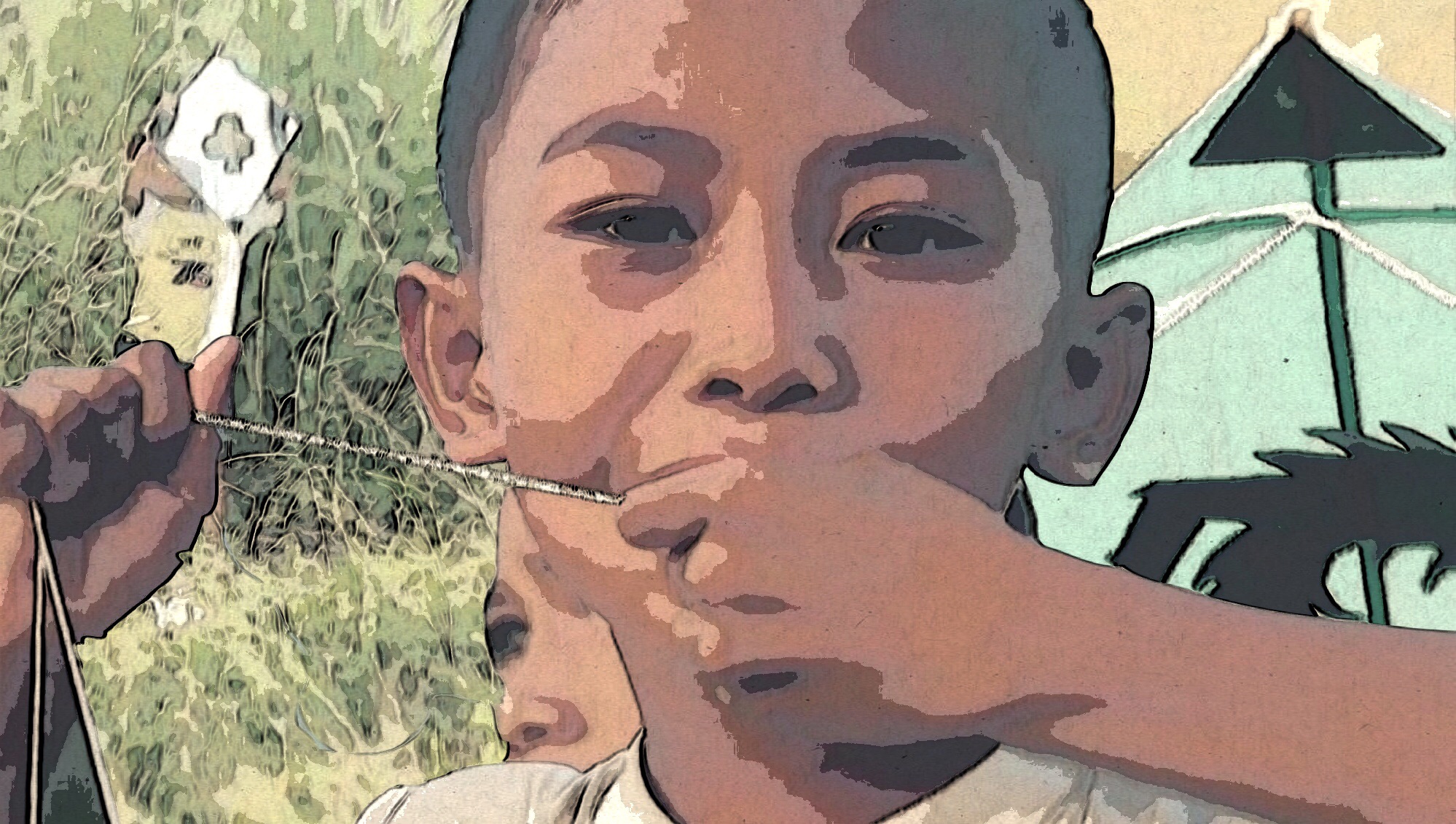
    To the reader: The perfect gift is free-will. What a clever deception. It’s like a kite; useless without string. Hand a child a beautiful kite and after days of frustration he or she will soon ask for the attachment. Upon receiving the greatest gift of all we are burdened with responsibility; we are chained to free-will’s insatiable curiosity; indebted to its reciprocal loop of expectation. The moral burden of free-will is unforgiving; ultimately, I must account for my transgressions … for the choice was mine.

    To the poet: A bundle of tangled thoughts about parenting and the delegation of authority through moral expectation. Religious overtones abound… capitalise the ‘H’ in ‘he’ and you have a sermon; without, it’s a son’s contemplation of his father’s developmental influences: distantly demanding, vaguely judgemental and omnipotently present… your choice; but have you thought about the consequences and can you afford the cost? They are yours alone to bear.


    free will Free Will
    Picture Source:
    http://youtu.be/jOXyvo2ID_o


  • Strides Into Steps

    Strides Into Steps

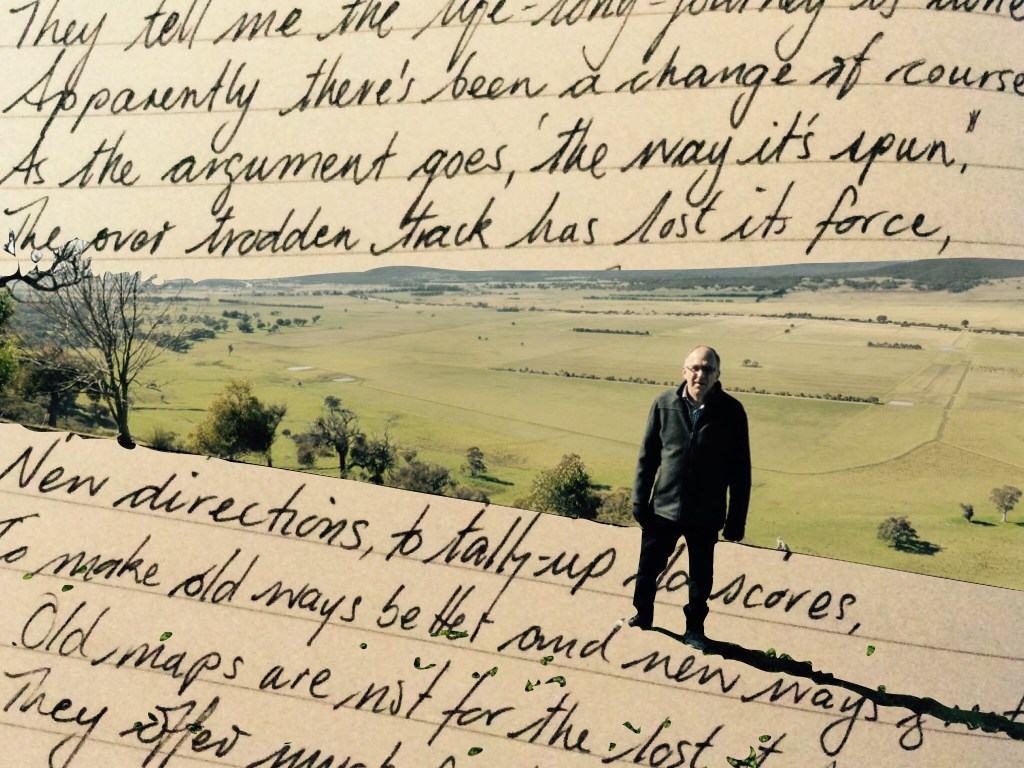
    Once upon a time I presume he danced,
    for there was rhythm in his shuffling gait.
    I suppose there was a time when he chanced
    to skip the pavement, to jump the fence, skate
    upon thin ice; I presume this was so.
    I suppose that once upon a time he
    could run like the wind and swivel on snow.
    May be once, this was how he used to be?
    How he used to be, before age took hold
    and shortened his strides into steps; weathered
    then withered his reach; proceeded to fold
    him into segments… with all parts severed.
    . In this man there are vestiges of truth.
    . Hidden in his shuffle is this man’s youth.

    © Tim Grace, 1 April 2012


    To the reader: The shuffle of elderly folk is rooted in the tentative first steps of childhood. Without momentum the ageing-frame hasn’t the balance to sustain a full-stride between steps; it’s lost the confidence to fall forward. In our prime the ability to walk is translated into the rhythm of life; through dance we skip; through sport we skate; as through time we scurry. Without stretch, and  pace to match, we compensate … we walk with two feet not one, we shuffle.

    To the poet: The strong structure of this sonnet descends into an awkward shuffle. It begins with stride and then falters. Beyond the first stanza, short-repeats struggle to complete a full line. Temporary anchors are scattered throughout. Stop-start phrases need backward attention. Through heavy compensation the sonnet’s rhythm is lost. In poetry, physical structure is as much a tool as any other literary technique; a poem is built as much as it is written.


    steps into strides steps into strides