Tag: People

  • Terminal Ferocity

    Terminal Ferocity

    Early in debate, two sharp points were made.
    Succinct as a dagger’s thrust; both cut deep.
    To be driven home, each decisive blade
    was further twisted; blood and guts did seep.
    The angles of intrusion were acute;
    on passage, both knives parted flesh from bone,
    lanced the stomach, and punctured lungs on route.
    They came to rest, rigid as steel in stone.
    As life bled from the wounds (of both soon dead)
    those in witness stopped in forensic pause;
    thought upon the motive and so agreed:
    “Death came to pass upon a common cause.”
    . For those who debate, agreement is death;
    . a sign of weakness … such a waste of breath.

    © Tim Grace, 14 October 2012


    To the reader: I worked in an office where heated debate would often culminate in furious agreement. Two staff-members with fiery temperaments would constantly joust and parry over common ground. For all in witness, it would have been far better these two pedants had opposing views of worthy substance. Alas, and instead, the two argued over detail and finally arrived at a consensus; long-since agreed by all else half-concerned by the menial matter.

    To the poet: “What of two minds that claim a single thought?” The two subjects of this poem are in dispute; literally. Are they the two sharp points, are they the two daggers; then again, are they the two adversaries? That subjective confusion is deliberate in construing an investigative pastiche; a crime scene of sorts. As required of this genre, a confused subject needs a vague objective; and so the plot thickens. What’s the remedy? A strong couplet that solves the riddle.


    Terminal Ferocity Terminal Ferocity
    Picture Source:
    http://youtu.be/lMDJNoWbpbI
  • A Natural Stamp

    A Natural Stamp

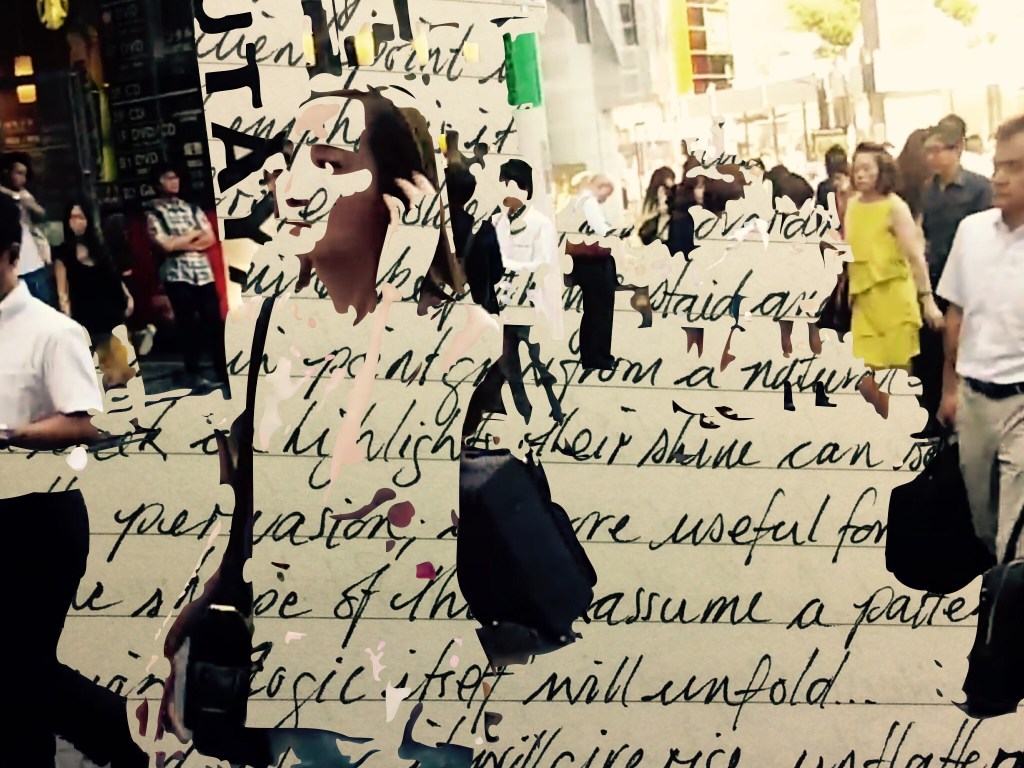
    The strength of argument is undermined
    when a salient point is overstressed.
    For combative sake, such is underlined;
    brought to fore, emboldened and overdressed.
    At front of mind keep things staid and subtle.
    Let the main point grow from a single source.
    Hold back on highlights, their shine can scuttle
    gentle persuasion (a more useful force).
    Let the shape of things assume a pattern.
    By design, logic itself will unfold
    its grand plan; and in good time, unflatten
    that which by rights should have its credits told.
    . Let the emphasis be a natural stamp.
    . Let the logic of truth light its own lamp.

    © Tim Grace, 18 October 2012


    To the reader: Fashion often begins as a bold statement that gains mainstream approval. Singularity becomes popularity. The norming effect absorbs distinction. Peaks of interest wane; become mundane… we simply lose interest in the fad. Used sparingly, boldness is an effective attention grabber; useful in assembling interest, drawing a crowd and gaining focus. Overused, it’s a crude and ugly device.

    To the poet: “Are all things to be boldly underlined?” Impacts can pack a punch and leave a lasting impression; as in a bruising affair. Then again, there’s a lot to be said for the subtle approach that through imperceptible gradations alters a line of thought or a chain of events. In poetry, novel nuance is equal to brazen boldness; our good-readers are alert to ambiguity; they’ll stop without a red-light flashing.


    A Natural Stamp A Natural Stamp
    Picture Source?
    http://youtu.be/tI7fktKY6OU
  • Hastiness

    Hastiness

    Hastiness – the answer that’s come too soon:
    a gift-wrapped solution, an empty shell.
    It’s just another song without a tune;
    has momentum but nothing to impel.
    We are all too ready to jump and leap:
    jump to conclusions through hoops of faith.
    Too quick to give away what we should keep:
    ready to end; too impatient to wait.
    Hastiness – cuts loose, all that’s to follow:
    severs ties with solutions; tried and true.
    Too quick to grab at straws, thin and hollow.
    Too quick to surrender to all that’s new.
    . Hastiness – not an answer, just a fudge;
    . just an assumption, they’ll be quick to judge.

    © Tim Grace, 8 October 2012


    To the reader: Since the beginning of biblical days, through the wisdom of Solomon, we’ve been advised to avoid the lazy answer; Proverbs 21:5 states that:diligence leads to riches, as surely as haste leads to poverty”. And more confusingly we’re told to balance haste over speed (or is it the other way around?). All very well, but convenience is an attractive lure; the short-cut solution that satisfies impatience often appeals.

    To the reader: “How are we to judge without conclusion?” – The good poem reads as fresh and acute; of the moment, forever true. Hence, there shouldn’t be too many indicators of laboured inspiration. Conversely, signs of a rushed solution are markers of laziness. Somewhere, built into a poem, there needs to be both ‘point and purpose’… like ‘dollars and cents’ they are the currency of a ‘reading and writing’ exchange.


    image


  • Forged or Forced

    Forged or Forced

    It’s not that these are different: so unlike
    that resemblance must be forged or forced
    from two extremes. It’s not that hard to strike
    agreement; one that’s logically endorsed.
    The fear of difference is a sad disease,
    a limiting malady; one that’s stoked
    by judgement (prejudice) and jealousies:
    stoked by greed; too easily provoked;
    too easily given voice of reason;
    dressed as patriotic (us not them).
    As contrast sees many, difference sees one.
    It’s from a single cell that many stem.
    . Be not divided by difference, delight
    . in contrast, sing of all things bold and bright.

    © Tim Grace, 7 October 2012


    To the reader: When an image is drained of definition we can manipulate its balance to achieve a better effect. Toggling the tonal quality adjusts the play of light and colour. Too much light and the image is saturated with colour. Any over-compensation risks distortion. The trick is to graduate changes with care so that shadows, lines and temperature strike a natural pose.

    To the poet: In any act of distortion, there’s a point at which an adjustment disagrees with reality; the exaggerated affect stretches belief. Over-emphasis is the literary equivalence of photographic saturation. In concluding a sonnet there’s a risk of rising to a climactic couplet, a crescendo of pretentious agreement… “sing of all things bold and bright” may have met the tipping point?


    image

  • To this point…

    To this point…

    To this point, there’s a statement of intent:
    the sending of a message; the promise
    to commit; it’s this sets the precedent,
    this then becomes the line of sight, from this
    all else is judged upon delivery.
    Against what’s known, what’s been, new things are judged:
    held account; tested for transparency;
    valued for clarity … dismissed if smudged.
    The purity of truth is honesty:
    revered as the path to enlightenment;
    it’s the well-spring of possibility;
    a straight approach without impedement.
    . For those who are driven by conviction,
    . be not distracted by contradiction.

    © Tim Grace, 6 October 2012


    To the reader: Up to a point, most of us can hold opposing points of view without losing face or sleep. The internal debate over right and wrong, good and bad is instructive. Occasionally, gaps widen and curious differences become stark and polarised. Through choice, we abandon one idea for another and our personal conflict is resolved. Through good government, mature societies can do the same: we live with contradiction but not hipocracy.

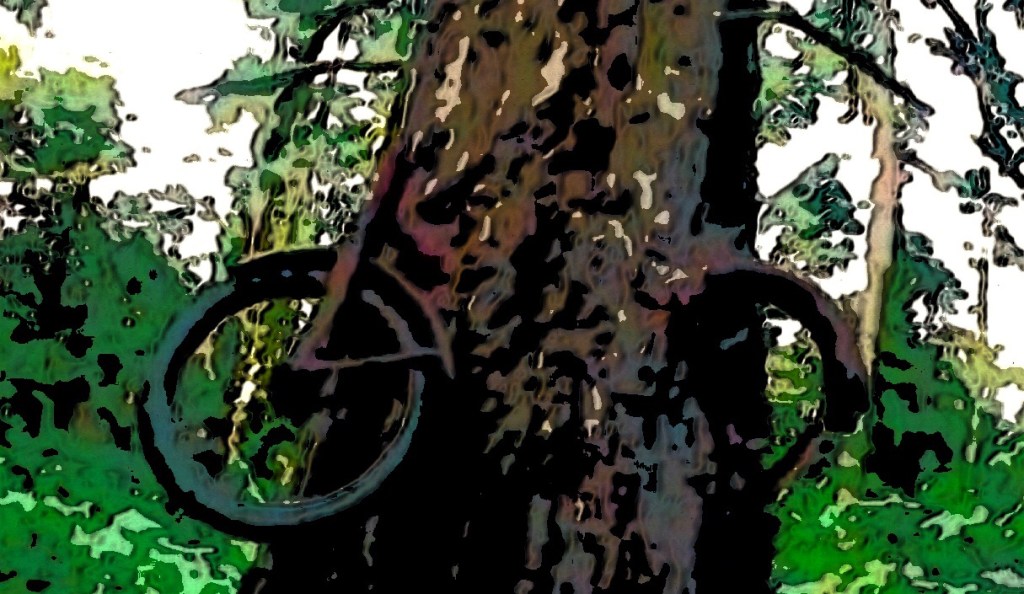
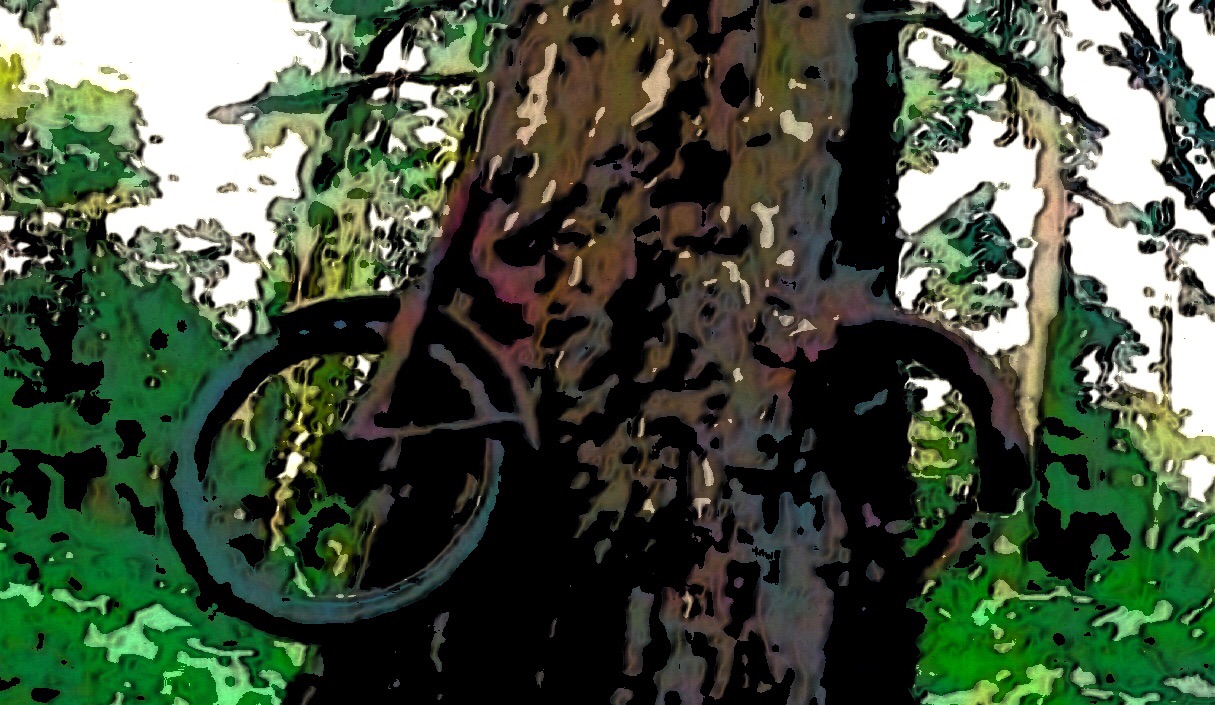
    To the poet: “Is the line concise on contradiction?” Unpacking, then reassembling a ten-syllable sequence created for poetic effect is a bit of a stretch; for reader and poet. On the way to a logical conclusion there are many distracting alternatives; rhyme being the most significant. As one rhyme demands another the margin of error widens and the meaningful target becomes less and less a possibility. You can feel it happening… but like bike and tree there’s a fatal attraction to disaster!


    To a point... To a point…
    Picture Source:
    http://youtu.be/06J1GLnvIss
  • Better so to listen…

    Better so to listen…

    . better so to listen, gentle of ear,
    . it’s their voice, not yours, that will make things clear.

    © Tim Grace, 5 October 2012


    To the reader: The soft-counselling of a friend provides a safe place for disappointment and sadness to speak its voice. In the resolution of loss or grief there are moments when wise-words are best left unspoken. In these moments, the broken-hearted and the grief-stricken seek nothing more than reassurance. Their healing process begins with the confirmation of a companion that cares enough to listen. In time, the spoken response will be appropriate… save that for later.

    To the poet: “Should they be blurred to favour tolerance?” Between writing and interpreting this line of thought, I think I’ve softened the tension between tolerance and suspended judgement. The need for restraint in criticism has been replaced with a more general statement on responsive listening. I’ve not really answered the question: “How much lee-way does intolerance deserve?”


    Offer Strength Offer Strength
    Picture Source:
    http://youtu.be/RvqSkStr94A