Tag: People

  • Opposing Views

    Opposing Views

    When opposing views are in dispute
    on the basis of belief.
    When lines of thought are resolute
    and take no light relief.
    Who’s to grow the compromise,
    on a patch of common ground?
    Who’s to build an enterprise,
    so both be honour bound;
    to set aside their differences,
    and work to common cause,
    emphasise the linkages
    that life itself explores?
    . In the earthly world, the natural world, opposites attract,
    . But when it comes to make believe, the same is not a fact.

    © Tim Grace, 21 February 2010


    To the reader: The hardest part about living a belief is that reality often confronts the assumptions of those who believe. Acceptance of dual realities requires the insertion of an uncertainty clause into any belief system. This insertion doesn’t necessarily come easy or sit comfortably with believers who have invested heavily in the creation of a particular world view. If compromise and adaptation are the keys to survival, what’s the attraction of an inflexible belief?


    To the poet: The simple symmetry of the first two couplets makes an easy entry into this sonnet. The next eight lines ponder the traits of who might offer a solution to the fragility of belief. The use of ‘who’ suggests a singular being; a wise sage. Regardless of the entity’s wisdom, the final couplet contrasts the difference between a natural and synthetic solution. The lines in the last couplet are long (fourteen syllables each) but they have a rhythmical emphasis that rounds off the sonnet with a neat conclusion.

  • Still She Sits

    Still She Sits

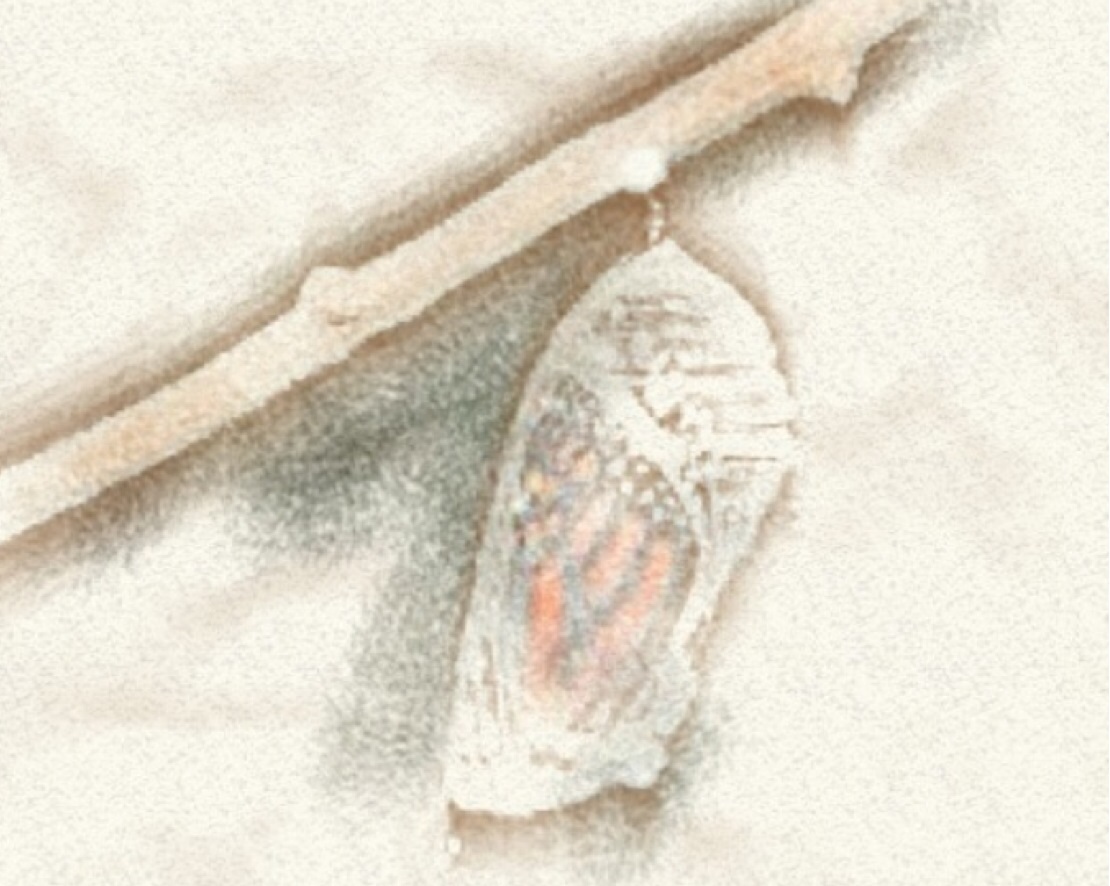
    And still she sits in waiting,
    Deep within her shell.
    No point in contemplating,
    As to when she might expel.
    She’s not driven by a calendar,
    Nor woken by the sun.
    She’s not a starlit wanderer
    On her monthly run.
    No bolt of electricity
    Will generate her storm.
    Naked with simplicity
    It’s so she finds her form.
    . She’s the fickle child of a wondrous thought,
    . She’s a child, a brain child, that won’t be caught.

    © Tim Grace, April 2010


    To the reader: There are so many aspects to life that just can’t be chased down or forced into submission. We gain nothing from bullying a butterfly. Simple pleasures are attracted to those who appreciate and nurture the quality of relationships. It’s through patience, not cajoling, that pleasures are expressed … good things come to those who wait.

    To the poet: The rhythmic structure of this sonnet is more lyric than poetic. The line lengths are variable and do little to help the reader establish a comfortable meter. Nonetheless, it does move along in three blocks of four-lined stanzas. Each block of thought reads like a statement; but true to the theme of the poem, the statement fails to capture the essence of this illusive female form.


    Crisilis crisilis
  • Fourteen lines…

    Fourteen lines…

    Fourteen lines of rhyming verse
    No need for clever tricks.
    Obey the rules or face a curse
    No remedy can fix!
    For those who can not do as told
    There is no path to glory.
    In sets of four the tale unfolds
    And so becomes a story.
    Be not tempted into broad display
    Do not detail every instance.
    Resist the line that leads astray
    It’s the curse of least resistance.
    .    Let the story tell itself, no metaphor need mix,
    .    A story is a story, not like a pile of bricks.

    © Tim Grace, 4 February 2010


    To the reader: As the traveller and poet learn, new ideas are built upon loose impressions that over time mature into tighter understandings. In the early stages of construction an idea is best left unconstrained and deserves the liberty to indulge in vagueness; to question and wonder without the confinement of certainty.

    To the poet: The best comparisons happen naturally and need no forcing. Telling a reader that one thing is like another strips a poem of its own power to conjure a playful twist of thought. Vagueness in a literary sense can establish an intriguing ambiguity; it is suggestive and creatively loose – enticing.


    IMG_0513