What of mimicry that honours the past?
It’s somewhat amazing that like-for-like
replacements have the talents to recast
an event – so true, a match would strike!
True, as in truth; so believably real.
Real, as in genuine; a copy good.
Good, as in that with the best to reveal.
All things being equal it’s understood
we appreciate a ‘genuine fake’
as long as it’s ‘true, real, and good’ in shape.
We value the effort that it must take
to resemble, mimic, copy and ape.
. True, real and good – the marks of excellence,
. altogether bound – without pretence.
© Tim Grace, 10 June 2012
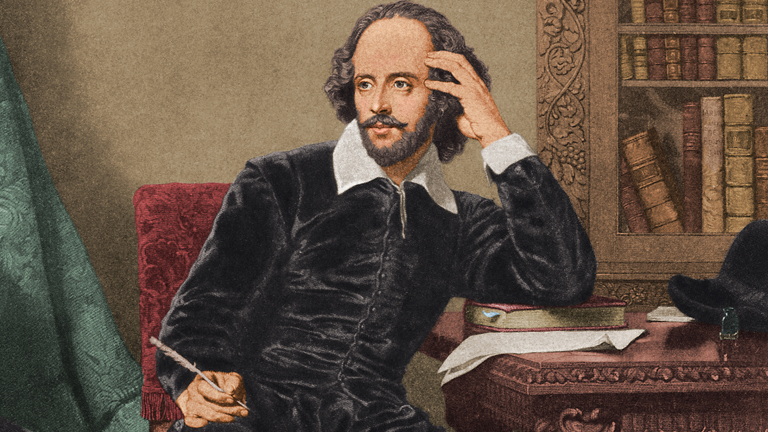
To the reader: Of love, Shakespeare unpacked its elements as fair, kind and true. Time and time again he returns to this theme. There’s a sense he’s not fully satisfied with previous attempts; and so, has another go at getting it right. Sometimes the approach is quite subtle, on other occasions he’s openly deliberate in assemblage. Sonnet 105, is a prime example; one in which poetry is out-played by structural mechanics… it’s as much a riddle as it is a rhyme.
To the poet: Imitation is the sincerest form of flattery (according to Charles Colton). On that basis, I had a go at describing ‘excellence’ with its elements being true, real and good. The first task is to establish purpose and, then as Shakespeare did, sequentially assemble its elements into a plausible list of contributing factors. From purposeful to plausible is two-thirds finished; the final third requires polish… it’s as much a puzzle as it is a poem.
 like-for-like
Picture Source:
http://cp91279.biography.com/1000509261001/1000509261001_2013980530001_William-Shakespeare-The-Life-of-the-Bard.jpg
 One More Sonnet