Category: People

  • Things of Interest

    Things of Interest

    Things, nameless remnants, objects in a drawer;
    trinkets that tumble out of time and place.
    Garage gadgets, artefacts of war;
    unidentified objects, out of space,
    out of reason, out of function and fit:
    oddities, obscurities, curios
    long since departed from inventor’s wit;
    having lost the memory of ‘who knows’.
    Relics in a box, contents in a trunk,
    a job-lot of stuff, a deceased estate
    to be sold-off cheap, to be bought as junk:
    what’s good for nothing makes a paper weight.
    . Nothing more nameless than a nameless thing.
    . All deserve a title – be it subject or king.

    © Tim Grace, 17 February 2013


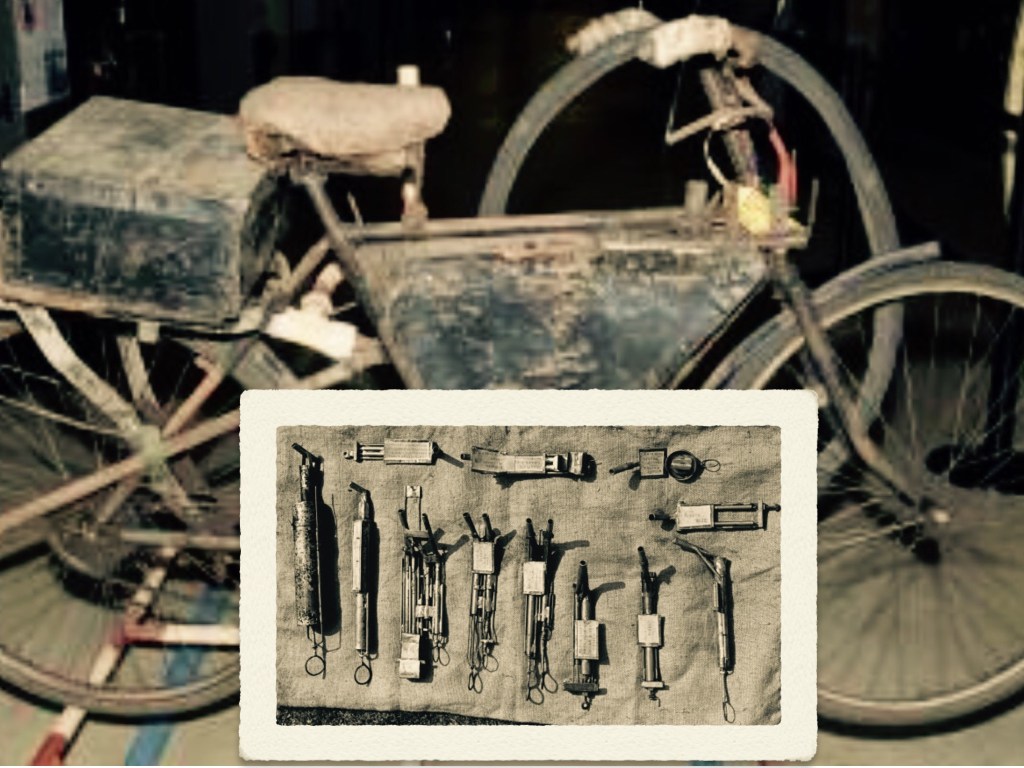
    To the reader: I discovered an eccentric great uncle: the bird man. He was featured in a national display of urban characters known for having an inventive wit related to ‘things’. Uncle Henry Grace, was a bird-listener. He rode the country-side listening to warbles. Fittingly, he then invented his own form of warble-notation to capture distinctive ‘calls of the bush’. Then, he would create tin-whistles that imitated the various cheeps and chirps. A century later they are ‘things’ of interest; curios.

    To the poet: In its first-draft this sonnet began with: ‘Objectification, the stuff of things’… borrowed (I remember) from the more contentious notion of ‘Subjectification, the sport of kings’. Quite a nice beginning, but the rest of the sonnet was hopelessly lost in trivial detail. And so, the long task of re-writing began. A complete upheaval takes some effort. Holding on to the essence, discarding all else … that’s the thing.


    Things of Interest
    Things of Interest
    Picture Source:
    http://trove.nla.gov.au/work/36318721?q=henry+grace+whistles&l-availability=y&l-australian=y&c=picture&versionId=46737536
  • All But Lost

    All But Lost

    Lost objects: misplaced, dropped, or stolen;
    buried; put down through absence of mind
    Lost bravado: diminished, unswollen;
    deflated; rigid support now declined.
    Lost causes: with the best of intentions;
    unfulfilled; promises stalled and delayed.
    Lost rewards: accrue treasured dimensions;
    benefits foregone; with bonus unpaid.
    Lost directions: said purpose gone amiss;
    somewhere becomes nowhere; set poles apart.
    Lost investments: without jackpot or bliss;
    shrewd can be clever; with losses that smart.
    . Lost meanings: in the hand of ancient scribes,
    . Lost cities: gone meandering with tribes.

    © Tim Grace, 3 February 2013


    To the reader: Lost is a location none of us set out to find. Technically, I suppose it’s as much a place as any other. Lost is where the misplaced gather. Lost is a nebulous noun that, through vowel-association, finds its place in the good company of: last, lest, list and lust. It’s origins are from Old English tongues, where it evolved from words associated with perish; as in gone missing.

    To the poet: Being a pedant is not a poetic prerequisite; however, having a creative interest in words is a desirable attribute. Pulling apart, rebuilding and associating the word ‘lost’ sparked my sustained interest. Whether the pursuit and discovery was worthwhile I’m not sure. All things considered, I clarified in my own mind the difference between a lost object and a lost cause.


    All But Lost
    All But Lost
    Picture Source:
    http://youtu.be/_8jzqKNDkgM
  • Partial Interests

    Partial Interests

    To all things my interest cannot attend.
    I am responsive to movement, colours
    and the scent of life; all things so contend
    for my attention; distinct of others.
    One thing for the moment will steal my gaze.
    I take note of that which sways and swishes.
    That which has rhythm to my interest plays,
    so becomes the pick of many wishes.
    I’m partial to soft tones that glow; that blush
    the dull canvas with a rose-coloured tint.
    I’m partial to that which is full and lush;
    that which brings love to life with perfumed hint.
    . I cannot attend to all things in sight;
    . instead, I seek what gives my eyes delight.

    © Tim Grace, 24 January 2013


    To the reader: Programmed to attend to life’s rhythm; we literally seek and appreciate animation. Some movements have particular powers of attraction. The effortless ‘sway and swish’ of a wiggling-walk makes alluring theatre. The long-stride of confidence without pretence or contrivance draws attention. The nonchalant amble of a carefree character entertains our imagination. Powers of observation energise our interest; sharpen our focus.

    To the poet: Infatuation lacks restraint. To ogle is obsessive. Admiration construes a connection. Polite interest requires distance, it respects the dignity of a shared space; eye-contact is confirmed not consumated. From a poet’s vantage point there’s a code of practice that applies to people watching. As subjects of interest ‘the observed’ will tolerate a casual glance; not so an intrusive gaze.


    Eyes' Delight

  • Trigger Point

    Trigger Point

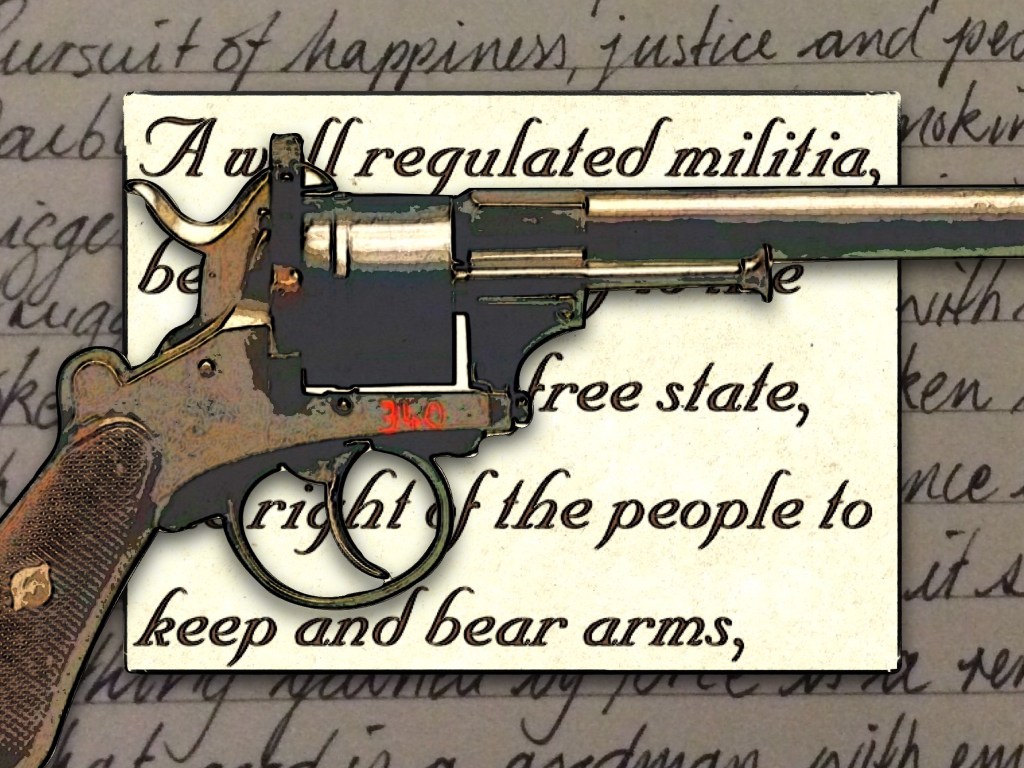
    It’s claimed ‘the gun is innocent’ … guiltless;
    absolved of all responsibility.
    A much maligned artefact, mere witness
    to bloodshed … has no culpability.
    Left then to wonder, left in state of stun.
    ‘Pursuit of happiness … justice and peace’
    Doubt’s made a target of the smoking gun.
    Trigger-point stand-off with hair-pin release.
    Struggling to make sense, tense with disbelief.
    Broken logic, broken hearts, broken dreams,
    shattered confidence; consequence is grief.
    To bear arms, not as simple as it seems.
    . Nothing gained by force is a remedy.
    . What worth is a good man with enmity?

    © Tim Grace, 26 December 2012


    To the reader: What relationship would prosper on the promulgation of fear and suspicion? Not one that values the pursuit of happiness. By nature, the trigger-happy fool is impulsive and irresponsible; prone to late apology; an after-thought. The perceived need to self-protect describes an individualistic ideology where social order is mistrusted; it’s the breeding ground for gun-toting rhetoric and double-barrelled nonsense.

    To the poet: With this sonnet my aim was broad. I took a scatter-gun approach to the target. A rat-a-tat list of ideas that sprayed shrapnel far and wide. On the rambling range, I used a metaphoric weapon that had no respect for its victim. Collateral damage was an unfortunate consequence, tolerated as expected impact. The late volta (the swivel at line 12) took final aim… in case the point was missed.


    Trigger Point Trigger Point
    Picture Source:
    http://youtu.be/Zzxwr4tdohw
  • Animosity

    Animosity

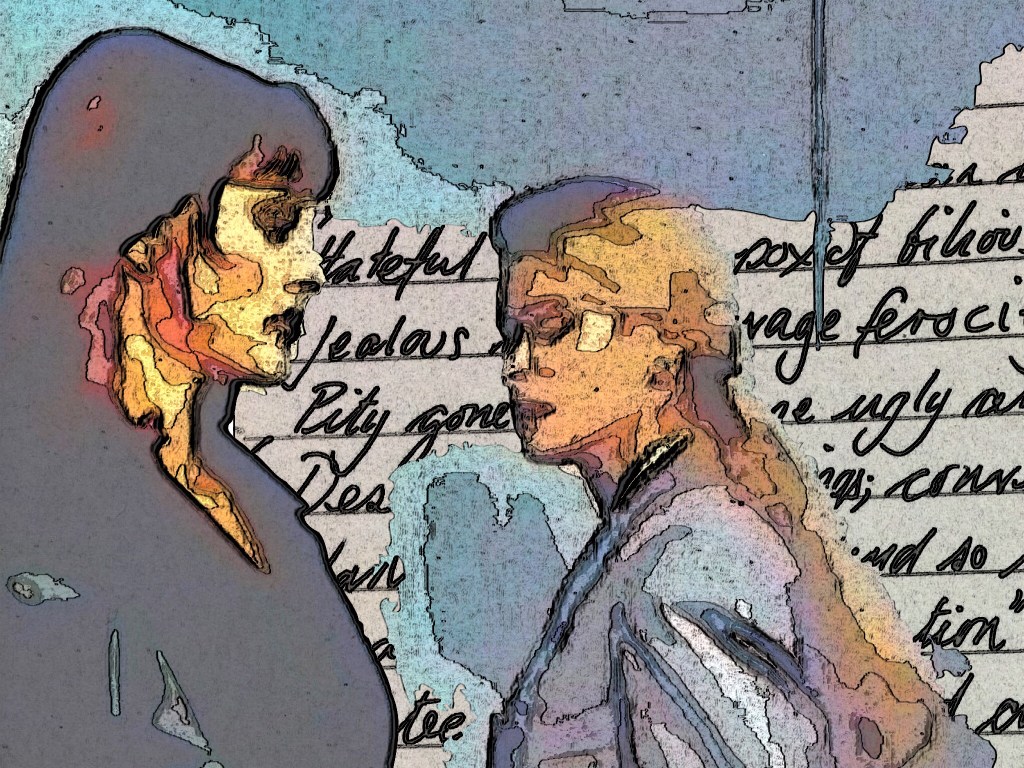
    No curse more worse than animosity.
    Hateful envy, a pox of bilious bile,
    jealous anger, savage ferocity,
    pity gone putrid, ugly and vile.
    Desires become cravings; converted
    wants become needs; crudely, love becomes lust;
    good things strangled, hopelessly perverted…
    so steel turns to rust, and diamonds to dust.
    Animosity will foul its own nest:
    over-paint a masterpiece, self-corrupt
    the elegance of beauty crudely dressed.
    The curse of animosity – one-upped!
    . The success of others (not yours to own)
    . If not resolved, will turn a heart to stone.

    © Tim Grace, 22 December 2012


    To the reader: Animosity is a stifling energy. Characteristically, it’s an emotional state that directs spiteful anger at a rival who has gained a perceived ‘unfair advantage’ in the relationship. From small issues problems fester and spiral out of all proportion. Resolution is unlikely to occur without some helpful intervention that manages to recalibrate the tension. Animosity is more often quelled than it is quashed.

    To the poet: A sonnet that taps into raw-emotion needs to anchor its rancour hard and fast. There’s little room to escalate slowly. The first line: “no curse more worse than animosity” unravels the expose; and the avalanche torrents forth. In a poem like this, the rush of verbiage is propelled on the back of poetic ploys that are easily translated into expected rhythms and solid rhymes; given a liberal dose of assonance, consonance and alliteration.


    Animosity
    Animosity
    Picture Source:
    http://youtu.be/sTxBOzjxDn4
  • Desk Message

    Desk Message

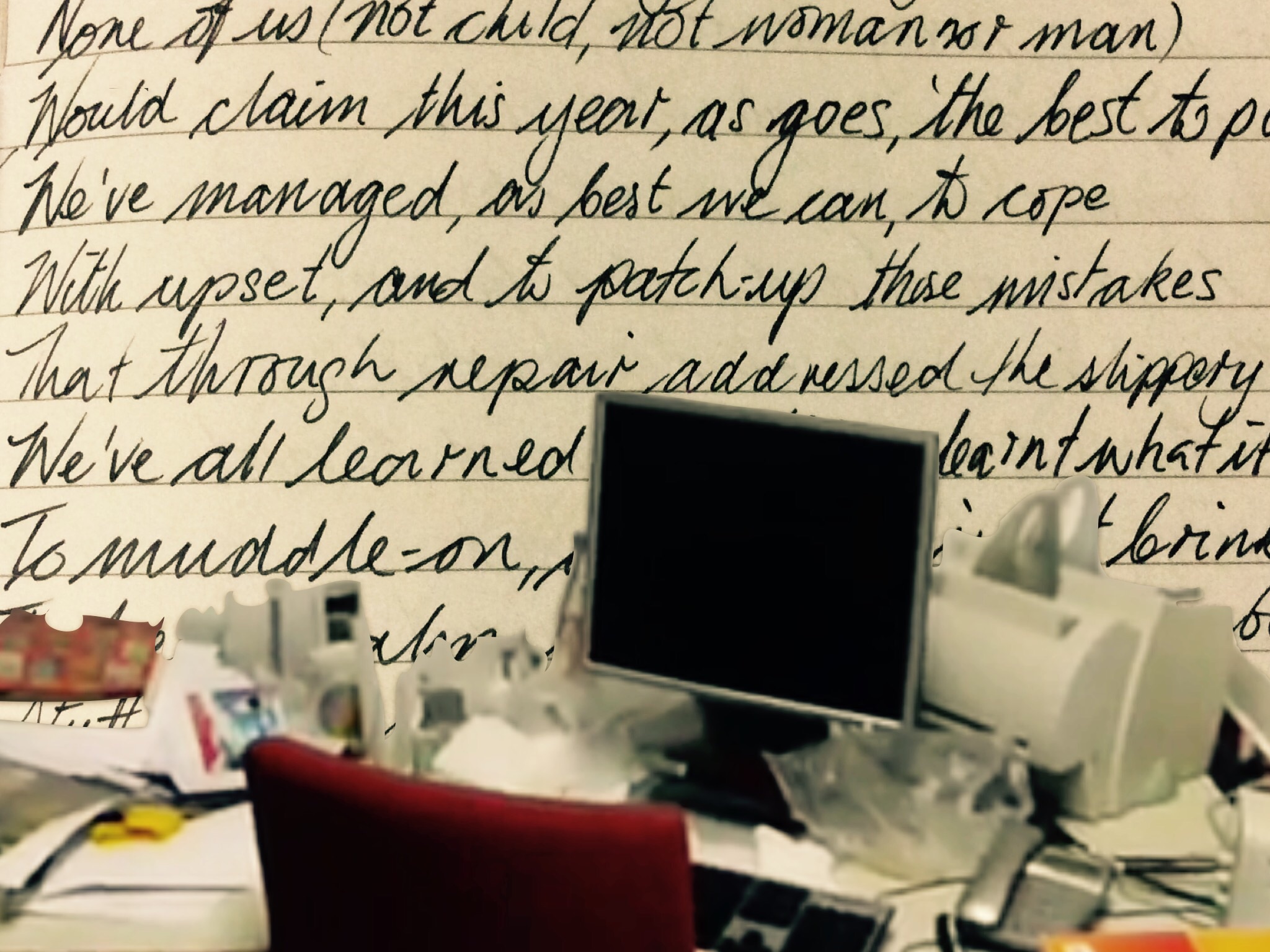
    Not a year that went exactly as planned:
    melodrama, tragedy and high farce.
    Controversial guests that denied the bland
    intent of pleasant passage come to pass.
    We’ve managed (despite these guests) to cope
    with upset, and to patch-up those mistakes
    that through repair addressed the slippery slope.
    We’ve all learnt something: learnt what it takes
    to muddle-on, to pull-back from the brink;
    to keep calm; bunker down and take it slow.
    With stoic grit, we’ve learnt to neither blink
    nor shrink from scandal’s shame or worry’s woe.
    . We are the better for adversity.
    . So claims the wisdom of perversity.

    © Tim Grace, 6 December 2012


    To the reader: I worked with a colleague who muddled his way through a year of workplace calamities. Piles of paperwork spilled over his desk; nothing got finished; technologies failed, and deadlines passed. With such hopeless organisational skills, other staff watched-on in dismay. His boss gave up all hope of a supervised solution; so the problem just got worse. The disconnect widened and office isolation became entrenched.

    To the poet: I left a card somewhere on his desk. An end-of-year message that added precarious height to an existing pile of paper. And so began this sonnet. It’s not about ‘him’ more informed by his various predicaments. His office isolation (somewhat self-imposed) reminded me of brackets. Brackets (here exampled) recognise a necessary petition of parts; inclusive features, distinct in nature… describes him well.


    Desk Mess-age Desk Mess(age)
    Picture Source:
    http://youtu.be/zqQby6sZ2rU