Category: Life

  • Bedlam’s Gift

    Bedlam’s Gift

    Do you remember the playground, that place
    of inherited rules, rough and tumbled
    into kingdoms with short reign: King, Ace;
    no certainty of claim – empires crumbled?
    Humbled victors became losers. The once
    proud owner of a patch relegated;
    made to start again. A bottom-up dunce
    stripped of position, mocked and berated;
    slated; given no slack; given what comes;
    given the licence to begin again;
    to re-climb; to reclaim status. That’s bedlam’s
    gift, that’s the playground I remember then…
    . No need to keep the playground free of dust.
    . The prissy playground is a breach of trust.

    © Tim Grace, 18 August 2012


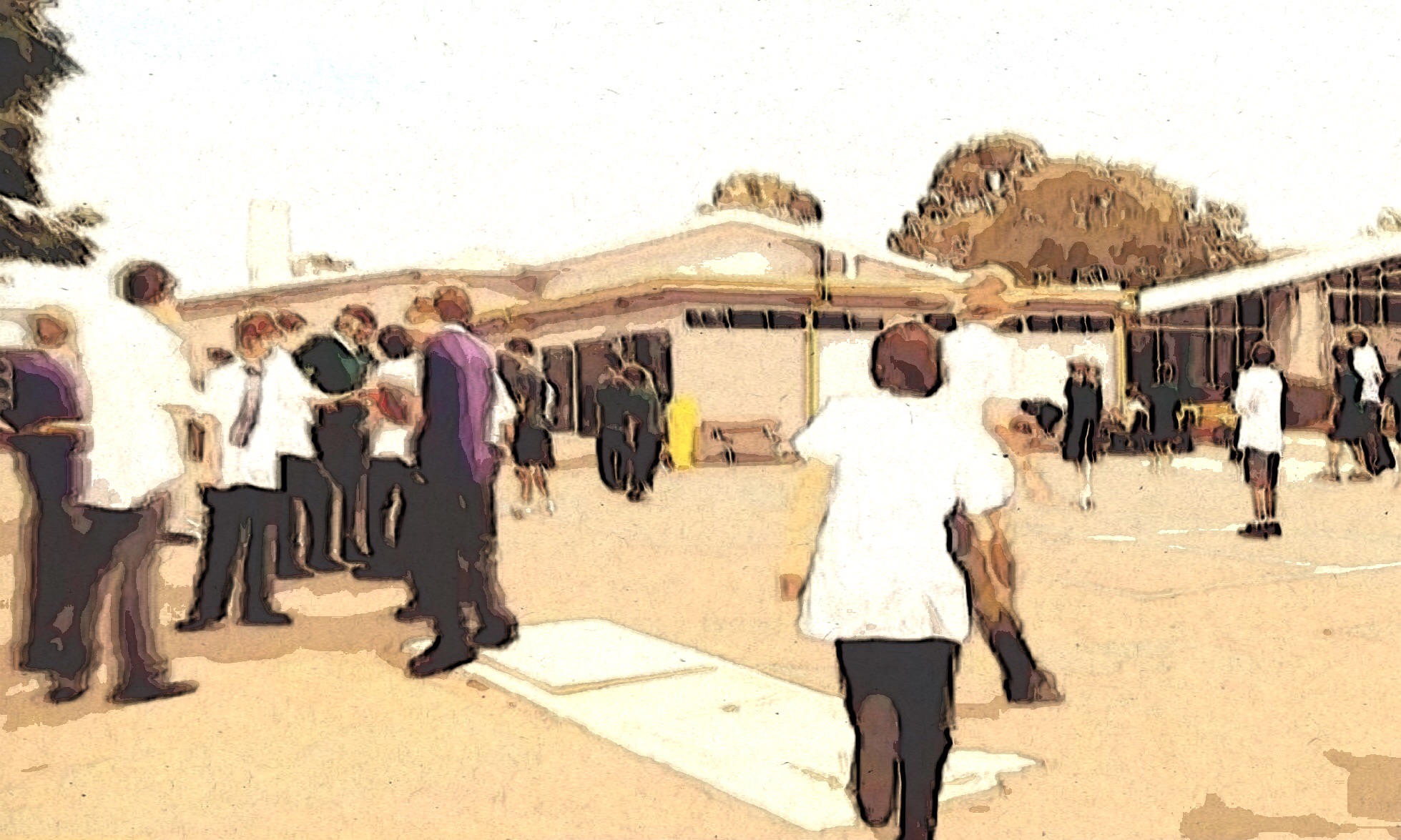
    To the reader: The school yard is a swirling patchwork of colours and shapes. The blacktop accommodates the hoops and high bouncing balls; white slashes of squared concrete cater to the criss-cross of tennis balls; and the green-grassed fields squarely frame the arc of foot propelled projectiles. All of this in the context of highly competitive play; skin in the game delivers respect and reputation. In my memory, it was sometimes fun, sometimes fair… very rarely perfect.

    To the poet: A jumble of words. A connected tangle of playful poetics. This sonnet works in three fields that overplay the shape of simple four-line stanzas. Each stanza ends with a rhyme that begins the next; text creating an extra ripple of repetition. Then there’s the enjambement that carelessly bounces over boundaries; a breach of rules; edgy, annoying but fair play.


    Bedlam's Gift Bedlam’s Gift
    Picture Source:
    http://youtu.be/ul3cmqXz5vU


  • He Left

    He Left

    He came, he went, he left her with the baby.
    Then (as though hardly-done) he moped his lot.
    The burden of self-pity said: “save me,
    I am lost – stripped of cause and future plot”.
    And what of the mother with child in arms?
    In receipt of half the chattels, just things
    stuffed in a bag: no niceties, no charms.
    A bag full of feathers, nothing like wings.
    Who knows what the child was thinking. He smiled
    from beneath an Easter bonnet; no blame,
    no shame; a child’s forgiveness reconciled
    to bear the burden of his parents’ frame.
    . Children – forgive them for they do not know;
    . forsaken of the gifts that you bestow.

    © Tim Grace, 21 April 2012


    To the reader: It had obviously been a long day of angry disputation. This was the moment of uncoupling. A dreadful determination to unpack the family. She had taken their child to a family restaurant and was awaiting the father’s arrival. He arrived with a plastic bag of bare essentials. With remnants exchanged, the child (from beneath an Easter Bonnet) glanced between the two… later … the father sat alone; weeping in a pool of self-pity.

    To the poet: The second of two sonnets that reference arrival and departure. “He came, he went” with no conclusion. His legacies include an onerous gift in wrappings of self-pity. And so it is we often feel confused and bereft… the victims of choice. The April message of Father and Son was an influence on both sonnets. But neither makes extended reference to Easter; just enough to draw upon its key themes of forsaken and forgiven love.


    He Left He Left
    Picture Source:
    http://youtu.be/5sOqy_A01Kw


  • Free Will

    Free Will

    He came, he went, left me none the wiser.
    More or less, it seems, this was his intent.
    I am, through him, left the improviser.
    It’s mine: mine to wonder, mine to invent,
    mine to discover; with free-will to dream.
    I am, myself, an independent soul.
    And so it was. He left me here to redeem
    from his departure – that gift – a morsel
    of truth so simple, so perfect, so brief;
    and yet so difficult to comprehend.
    I am free to doubt and state disbelief:
    to question his way to my journey’s end.
    . This then is the gift of my father’s breath,
    . I need no longer fear the time of death.

    © Tim Grace, 8 April 2012
    (Revised: 20 August 2023)


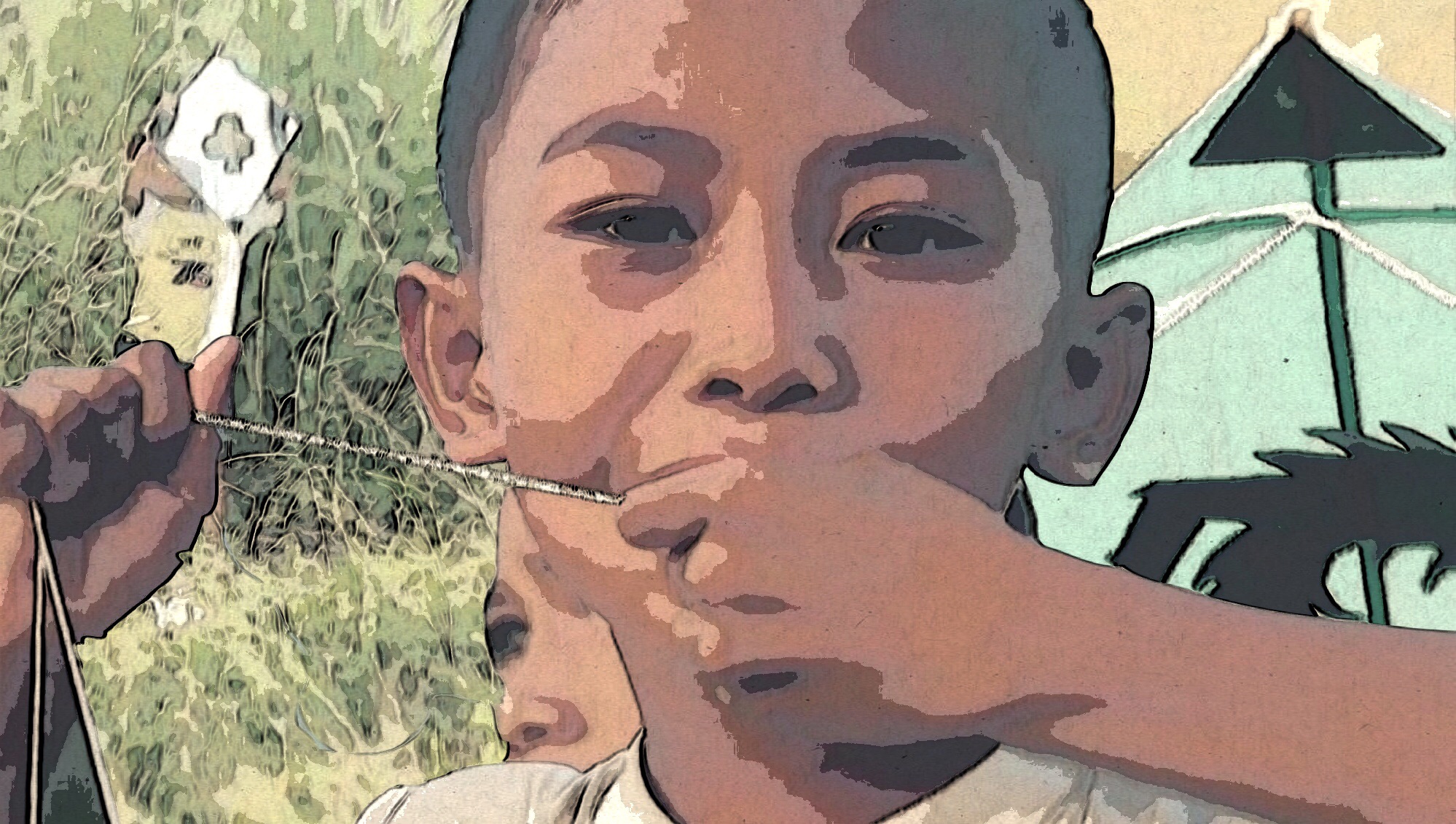
    To the reader: The perfect gift is free-will. What a clever deception. It’s like a kite; useless without string. Hand a child a beautiful kite and after days of frustration he or she will soon ask for the attachment. Upon receiving the greatest gift of all we are burdened with responsibility; we are chained to free-will’s insatiable curiosity; indebted to its reciprocal loop of expectation. The moral burden of free-will is unforgiving; ultimately, I must account for my transgressions … for the choice was mine.

    To the poet: A bundle of tangled thoughts about parenting and the delegation of authority through moral expectation. Religious overtones abound… capitalise the ‘H’ in ‘he’ and you have a sermon; without, it’s a son’s contemplation of his father’s developmental influences: distantly demanding, vaguely judgemental and omnipotently present… your choice; but have you thought about the consequences and can you afford the cost? They are yours alone to bear.


    free will Free Will
    Picture Source:
    http://youtu.be/jOXyvo2ID_o


  • Space to Crawl

    Space to Crawl

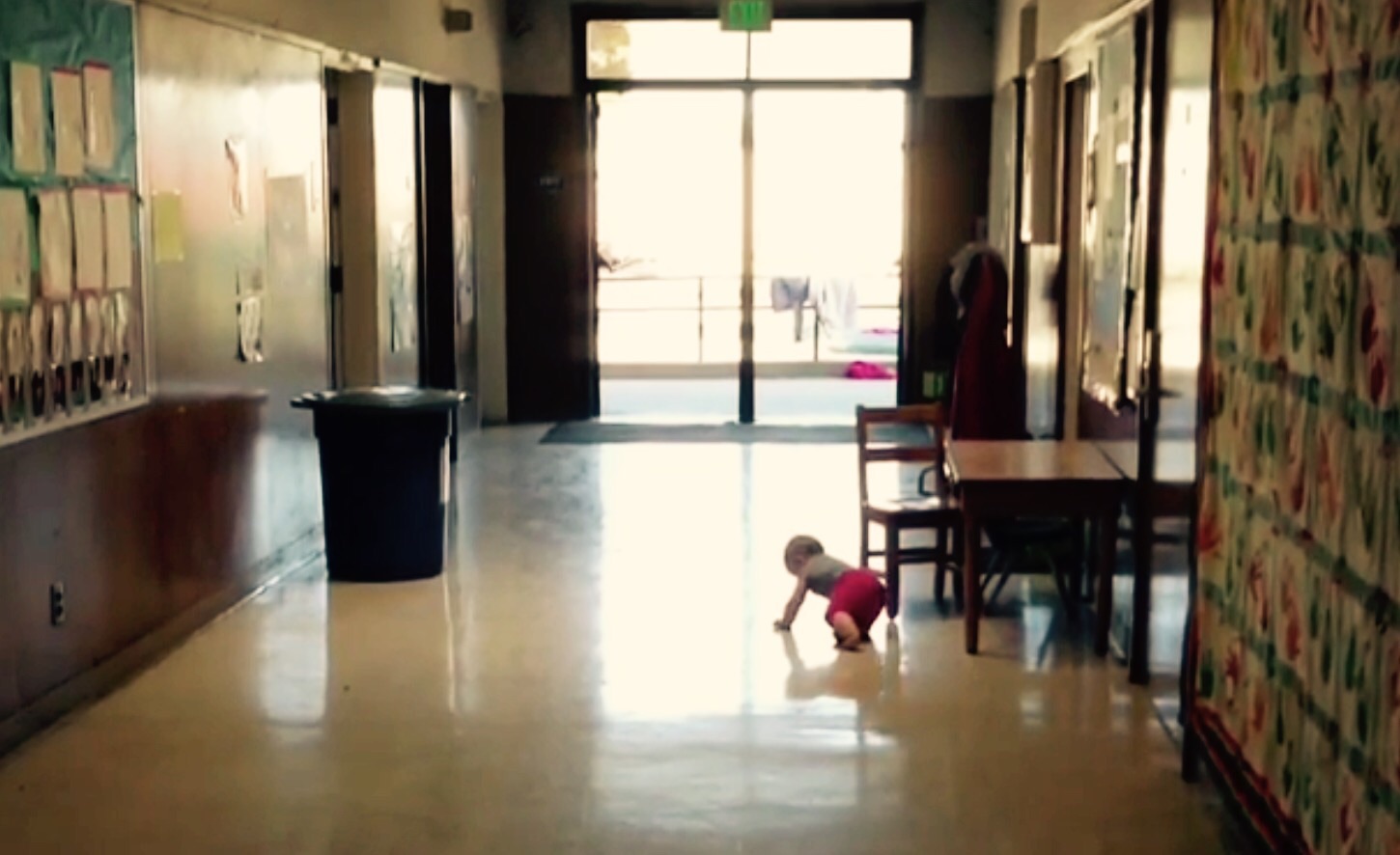
    Yesterday, I watched a boy crawling
    commando-style across a carpet-rug.
    Giggling and chortling, rising and falling,
    pushing and pulling with a hauling tug.
    In jungle-greens he scampered, head down low.
    He moved in spits and spurts. He paused a while.
    He reset direction, then off he’d go.
    With syncopated skim and cherub’s smile;
    through a forest of legs, he spied a light:
    a destination worthy of pursuit.
    But, when almost there, with his goal in sight,
    down came the arms of love: “Aren’t you cute!”
    . His mission is to walk, stand proud and tall;
    . give the boy some freedom, some space to crawl.

    © Tim Grace, 31 January 2012


    To the reader: The school-day is all but done. Here comes a troop of toddlers and their yet-to-walk entourage in pushers and prams. They are the freedom fighters, come to release their brothers and sisters from the tyranny of school. One in particular catches my eye; he’s a rug-rat, escaped surveillance and making good ground … but like so many before him, his noble pursuit is thwarted; he is lifted to higher ground by the doting arms of mum… another man down, or up as the case may be.

    To the poet: A photograph might have captured the scene more faithfully; but not the story. The story is in the poem which is a figment of my imagination. No-one else, on the day, had any idea of my interpretation. In a fleeting moment I captured a metaphor… two thoughts combined; and so began my sonnet. Metaphors, like butterflies, are at their best in flight; pressed to the page they may lose their colour.


    Space to Crawl Space to Crawl
    Picture Source:
    http://youtu.be/XGbfqM0ToM8